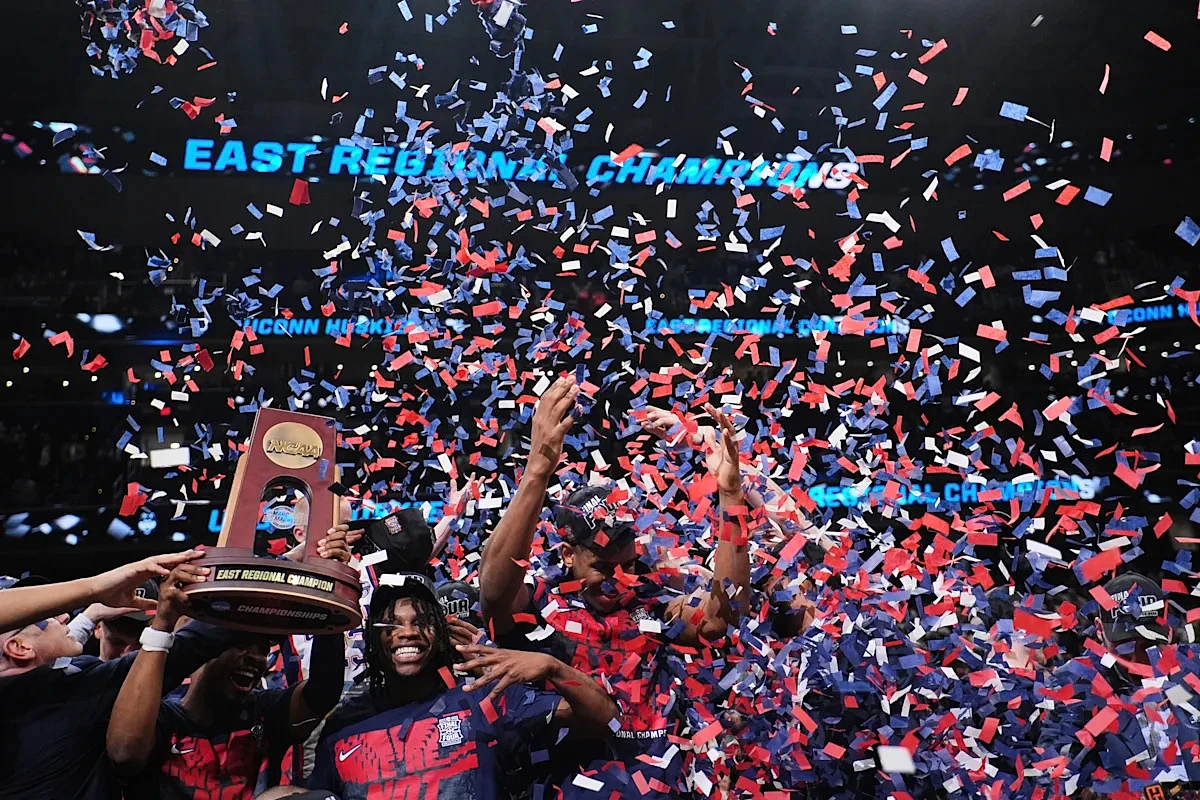
The NCAA Tournament is getting a major facelift, and it's going to change everything from your bracket predictions to the beloved Cinderella stories we all cheer for. Starting next season, both the men's and women's March Madness tournaments will expand to 76 teams each, adding eight more games and 12 total matchups involving 24 teams to the iconic bracket.
This long-expected expansion, approved Thursday, marks the first tournament growth in 15 years since the field jumped from 64 to 68 teams. The former "First Four" will now be rebranded as the "March Madness Opening Round," a bigger and more intense kickoff to the madness. The 12 winners from this opening round will then slide into the main 64-team bracket, which will continue its traditional Thursday (men) and Friday (women) start dates.
So, why the supersized makeover? Money, plain and simple. With universities now allowed to spend over $20 million on their athletes and conferences scrambling to stay competitive in college sports' ever-evolving landscape, the NCAA is leaning into revenue opportunities. The expanded TV advertising—including new allowances for alcohol ads—is expected to bring in an additional $50 million per year over the next six years, with more than $131 million in new revenue distributed to participating schools.
But for fans, the real story is what this means for the tournament's magic. More teams mean more chances for underdogs to make a run, but it also means your bracket just got a lot more complicated. Coaches and administrators have lobbied for years for greater access to college basketball's biggest stage, and now they've got it. The question is: will the extra slots create more Cinderella moments or just more chaos? Either way, gear up—March Madness is about to get even madder.