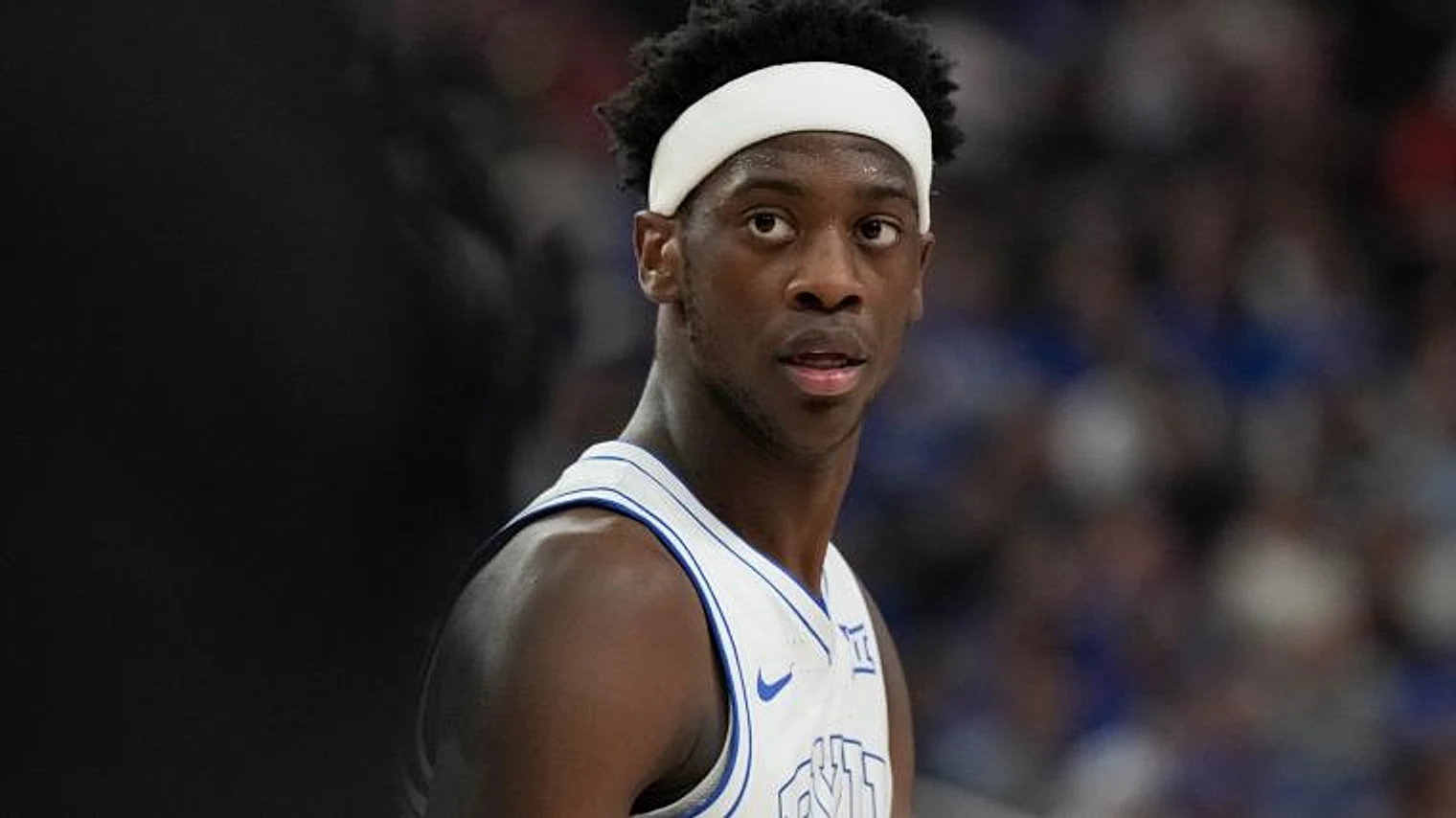
When a generational talent like AJ Dybantsa enters the NBA Draft, the spotlight isn't just on his game—it's on every move leading up to draft night. And if the Utah Jazz end up calling his name, that spotlight could turn into a full-blown controversy.
The story begins long before the draft lottery. Ryan Smith, the Utah Jazz owner and a proud BYU alum, made headlines for his aggressive investment in the Cougars' basketball program. He was instrumental in securing a record NIL deal for Dybantsa when the star forward committed to BYU, openly stating, "If they need my help, I'm going to help them."
Fast forward to today, and the pieces are falling into place almost too perfectly. The Jazz hold the No. 2 overall pick in the 2026 NBA Draft, and Dybantsa—widely considered the top prospect on the board—could be heading just a few miles south from Provo to Salt Lake City.
On paper, it's a no-brainer: you take the best player available. But in the new era of NIL deals, this scenario raises uncomfortable questions. When did it become standard practice for an NBA owner to double as a college program's biggest donor, only to draft the same player he was already paying?
Dybantsa's connection to the Jazz goes beyond business. He's been spotted working out on Utah's practice court, playing pickup games alongside Smith and CEO Danny Ainge. These relationships are natural, but they also create the perfect storm for skepticism.
Let's be clear: allegations of a "rigged" NBA Draft aren't new. But this situation is unprecedented in the NIL era. The optics of a billionaire owner helping fund a college star's NIL package, then drafting him months later, are hard to ignore. Even if everything is above board, the perception alone could be damaging for the league.
For the Jazz, landing a talent like Dybantsa would be a franchise-altering move. But it would also come with a side of scrutiny that no team wants. In a league already battling conspiracy theories, this is one storyline the NBA would rather avoid.