The MLB season is ten percent complete, and a new variable is already shaping the game: the Automatic Ball-Strike (ABS) challenge system. After several weeks of data, we're starting to see which players and teams are mastering this high-tech tool to gain a crucial edge on the strike zone.
While the system is still in its early days, some clear trends are emerging. One immediate impact has been on game length. The average nine-inning game is currently at 2 hours and 42 minutes, the longest mark in the four-year pitch-clock era. While factors like increased pitcher usage and walk rates contribute, the 30-second review process for each challenge is undeniably adding time to the clock.
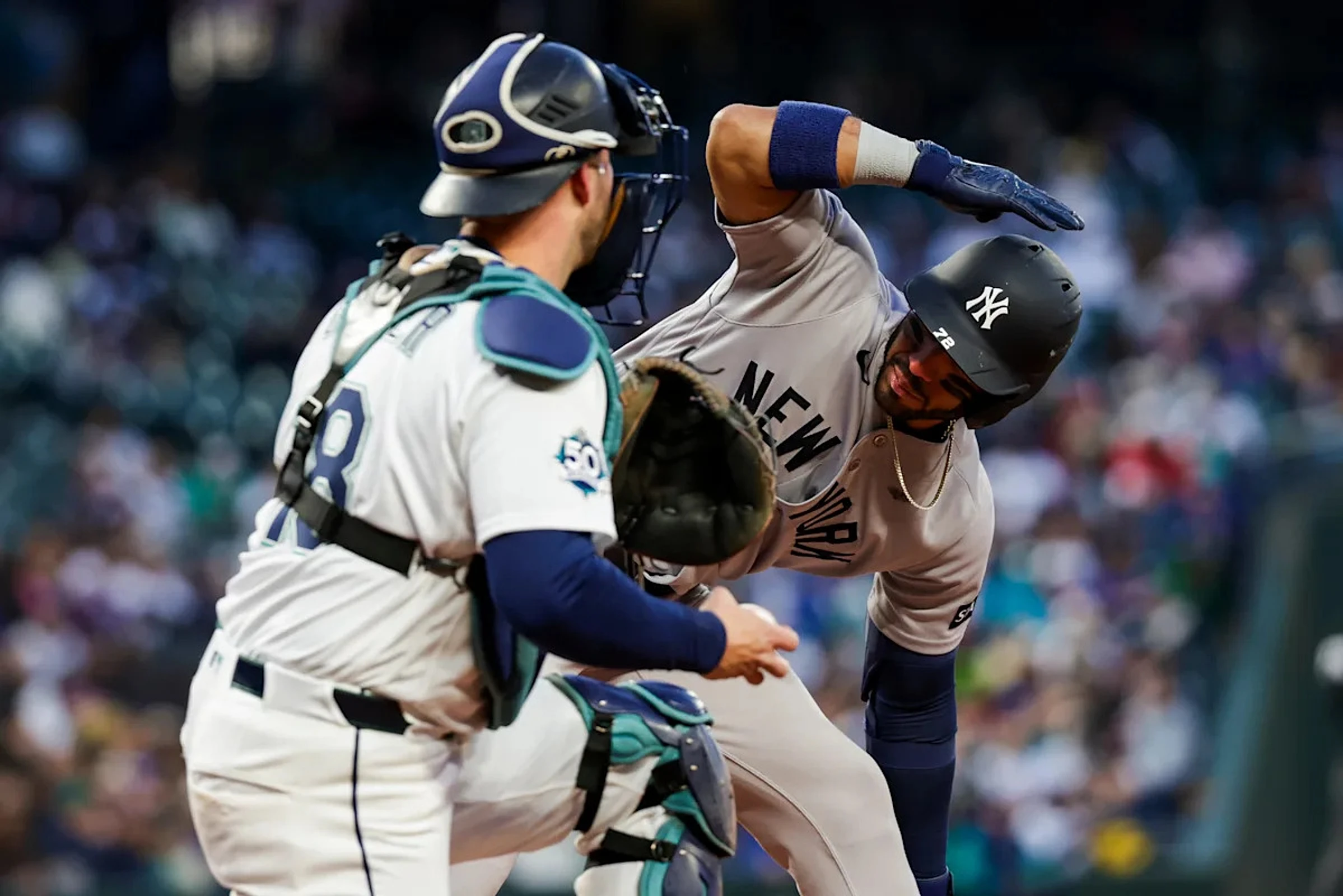
So, who's using the system most effectively? The answer lies behind the plate. Catchers, with their unique vantage point to track a pitch's path, are becoming the system's savants. They are successfully overturning calls at an impressive 62% rate, accounting for the vast majority of defensive challenges. Pitchers, while more emotionally driven in their appeals, are also holding their own with a solid success rate.
On the offensive side, batters are finding the challenge game tougher. Hitters, often reacting to a perceived bad call in the heat of the moment, are succeeding only 47% of the time. Stars like Ronald Acuña Jr. are learning that discretion is key, as a failed challenge costs a team one of its precious two appeals per game.
This new layer of strategy is creating fascinating in-game decisions. The threat of a challenge is subtly changing how pitchers attack the edges and how catchers frame pitches. As the season progresses, expect these success rates to evolve and a new breed of "challenge specialists" to emerge, proving that in modern baseball, a sharp eye and quick thinking are just as important as a powerful swing or a blazing fastball.