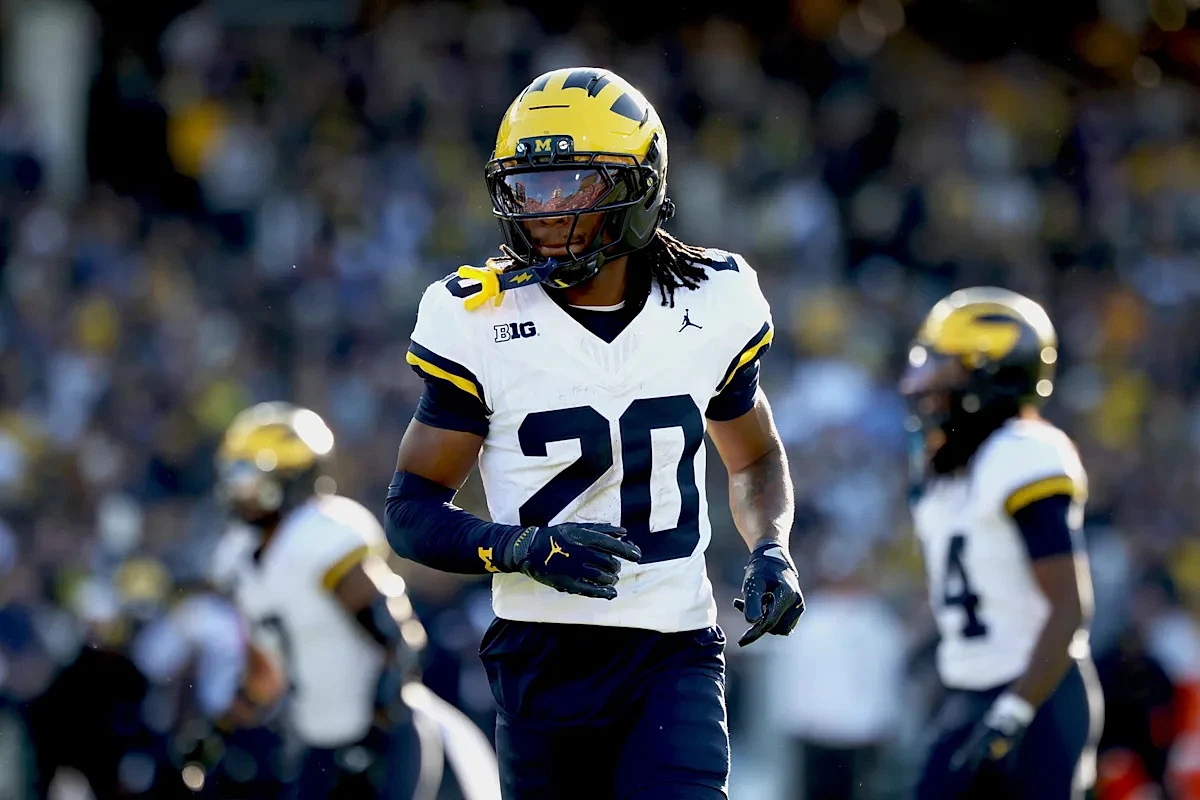
Michigan’s defense has long been the backbone of the program, but the 2026 season brings a fresh dynamic. For over a decade, the Wolverines have leaned on dominant defensive tackles and edge rushers to wreak havoc in opposing backfields. This year, however, the spotlight shifts to the secondary.
With new defensive coordinator Jay Hill at the helm—fresh off a successful three-year stint at BYU—the Wolverines are poised for a defensive evolution. Hill’s scheme, a base 4-2-5 look, keeps five defensive backs on the field most of the time. While this isn’t a drastic departure from what Michigan has run since 2021, Hill’s approach flips the script: the defensive backs become the stars, not the front seven.
Hill himself has compared his system to the one Michigan used in 2023 under Jesse Minter, a season where elite secondary play compensated for a merely average pass rush. Expect more dropping into coverage and fewer plays near the line of scrimmage. The philosophy is simple: bend, but don’t break. This style prioritizes preventing big plays over the top while keeping everything in front of them.
The numbers back it up. Hill’s BYU defense led the nation in interceptions in 2024 with 22, and followed that up with 17 in 2025—good for ninth-best in the country. That ball-hawking mentality is exactly what Michigan’s secondary needs after two seasons of inconsistency.
Fortunately, the Wolverines have the pieces to make it work. Players like Zeke Berry and Jyaire Hill have weathered the ups and downs, gaining invaluable experience along the way. Now entering their third year as starters, they’re ready to take the next step. Under the guidance of veteran defensive backs coach Jernaro Gilford, this group has the depth, experience, and coaching to thrive. For a program that prides itself on defense, 2026 could be the year the secondary finally steals the show.