In a way, building a basketball team into a national champion is a bit like putting together a jigsaw puzzle. Each piece has a specific place, and the picture only becomes clear when everything fits perfectly. For decades, the conventional wisdom has been to find those perfect fits—start with the framework, build around a star, and fill in the gaps.
But what if you could build a puzzle with no fixed picture? An "infinity puzzle," designed to be assembled in endless ways, where the same pieces create a new masterpiece every time. That’s the innovative brilliance behind the Michigan Wolverines' 2025-26 NCAA championship run.
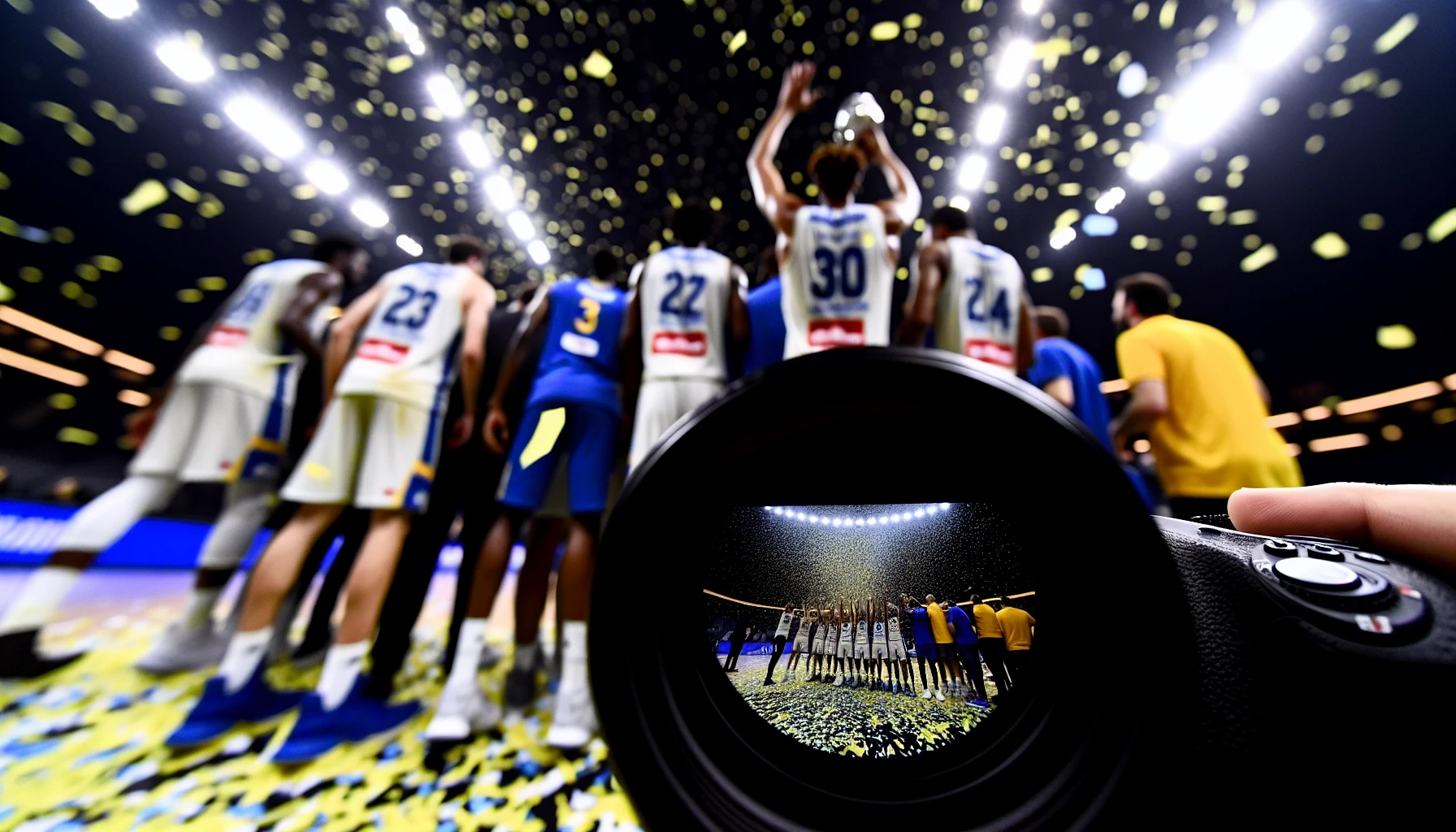
On Monday night in Indianapolis, Michigan redefined team-building by defeating Connecticut, 69-63, to cut down the nets at Lucas Oil Stadium. This victory secured the program's second national title and its first since 1989, capping a season where versatility was the ultimate weapon.
The Wolverines didn't win with a rigid system; they won with a roster full of adaptable, high-IQ players whose skills interconnected in seemingly infinite combinations. Head coach Dusty May crafted a philosophy centered on unique skill sets and self-awareness. "We just want guys with a skill set," May said before the finale. "They don't have to be great at everything, but [they need] the self-awareness of what they are great at."
This approach created a unit that was elite on both ends of the floor. Michigan boasted the nation's top defense and a top-five offense. They ranked in the top six nationally in effective field-goal percentage on both offense and defense and were a top-three shot-blocking team. Even their perceived preseason weakness—three-point shooting—evolved into a strength, showcasing their ability to adapt and optimize throughout the season.
Individually talented players from other programs learned to thrive within the team's structure, often in new or optimized roles. The result was a cohesive force greater than the sum of its parts, a team that could morph its strategy to dismantle any opponent. In the end, Michigan didn't just solve the championship puzzle; they reinvented it, proving that flexibility and collective IQ can be the most powerful pieces of all.