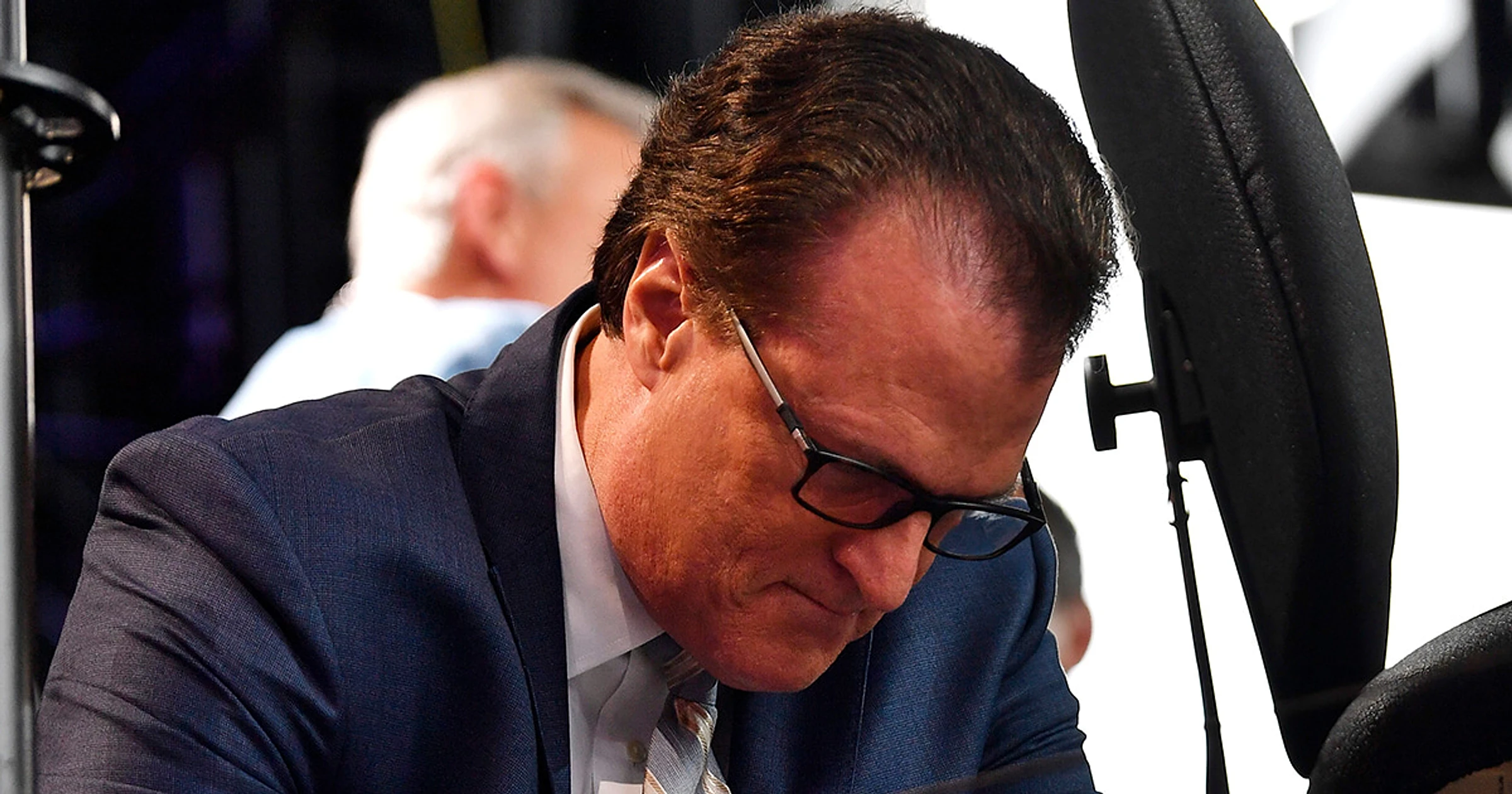
The landscape of the NFL Draft is undergoing a significant shift, and legendary ESPN draft analyst Mel Kiper Jr. points directly to the influence of NIL (Name, Image, and Likeness) deals. With college athletes now able to earn substantial money, more players—especially quarterbacks—are opting to return to school for another season, betting on themselves to improve their draft stock. This strategy, however, comes with a fascinating risk-reward dynamic that is reshaping draft boards.
Kiper highlights the recent example of Jayden Daniels, who returned to LSU, won the Heisman Trophy, and rocketed from a projected Day 2 pick to the No. 2 overall selection in the 2024 NFL Draft. This success story fuels the trend, as seen with the recent announcement of 2026 draft declarations showing a continued decline in underclassmen declaring, with many choosing another year of development.
But Kiper cautions that the "run it back" strategy is not a guaranteed path to the first round. "They can stay in college and develop, and sometimes it helps, sometimes it doesn’t," Kiper stated. He introduced a compelling question about the psychological impact of NIL: could financial security lead to complacency? "When you’re getting paid, do you kind of just get a little complacent because you’re already a professional?... Does complacency set in?"
This new calculus means a prospect's final college season is under even greater scrutiny. A player must prove that the extra year was spent refining skills and demonstrating growth, not just collecting checks. For every Jayden Daniels, there could be a player whose stock stagnates or falls. As Kiper puts it, looking at a future draft class on paper and predicting greatness is one thing, but "we’ll see" how it actually unfolds. This added layer of drama makes the journey from college star to NFL rookie more unpredictable and compelling than ever.