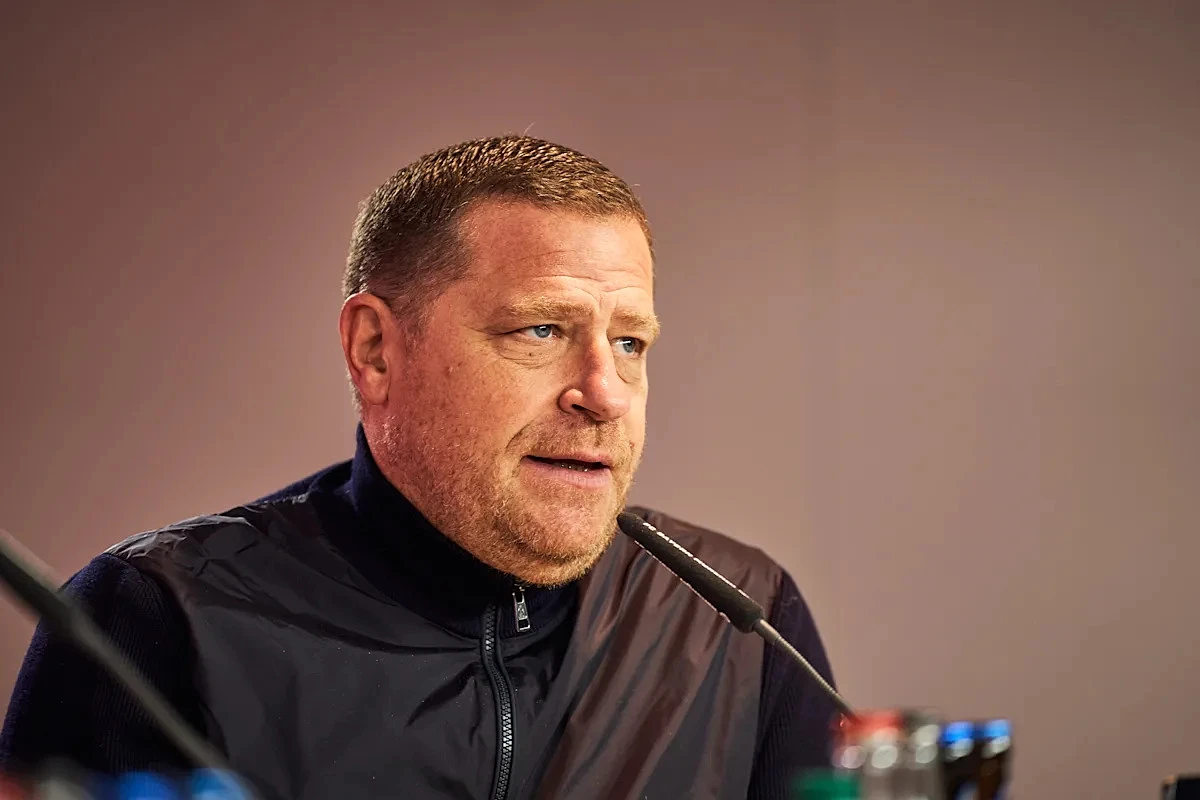
From the outside, the transfer machine at a club like Bayern Munich looks like a well-oiled, unstoppable force. The allure of the badge, the history of success, and the promise of glory naturally draw the world's top footballing talent. But as Bayern's board member for sport, Max Eberl, reveals, turning that mutual interest into a signed contract is a meticulously complex operation far removed from simple wish-lists and blank checks.
Eberl recently pulled back the curtain on the process, explaining that securing a single signature requires aligning a small army of key decision-makers. It begins with football discussions with sporting directors like Christoph Freund and Vinnie Kompany, assessing the player's tactical fit. Then, CEO Jan Dreesen enters the frame to navigate the financial landscape.
For major investments, the circle widens to include the supervisory board—figures like Herbert Hainer, Uli Hoeneß, and Karl-Heinz Rummenigge. "Discussions with them are simply 'FC Bayern,'" Eberl noted. "They want what’s best for the club. Just like me." This means that for one potential signing, Eberl must coordinate and gain consensus from up to seven influential figures, all while balancing sporting ambition with fiscal responsibility.
This intricate dance explains why top-tier transfers often feel like a marathon, not a sprint. Each deal is a unique mechanism with hundreds of interlocking parts—from agent negotiations and medicals to contract details and long-term squad planning. One misaligned cog can bring the entire process to a halt.
So, the next time a Bayern transfer saga tests your patience, remember the immense coordination happening behind the scenes. It's a high-stakes process where every detail matters, ensuring that any player who finally dons the famous red shirt is the right fit for a club where sustained excellence is the only standard.