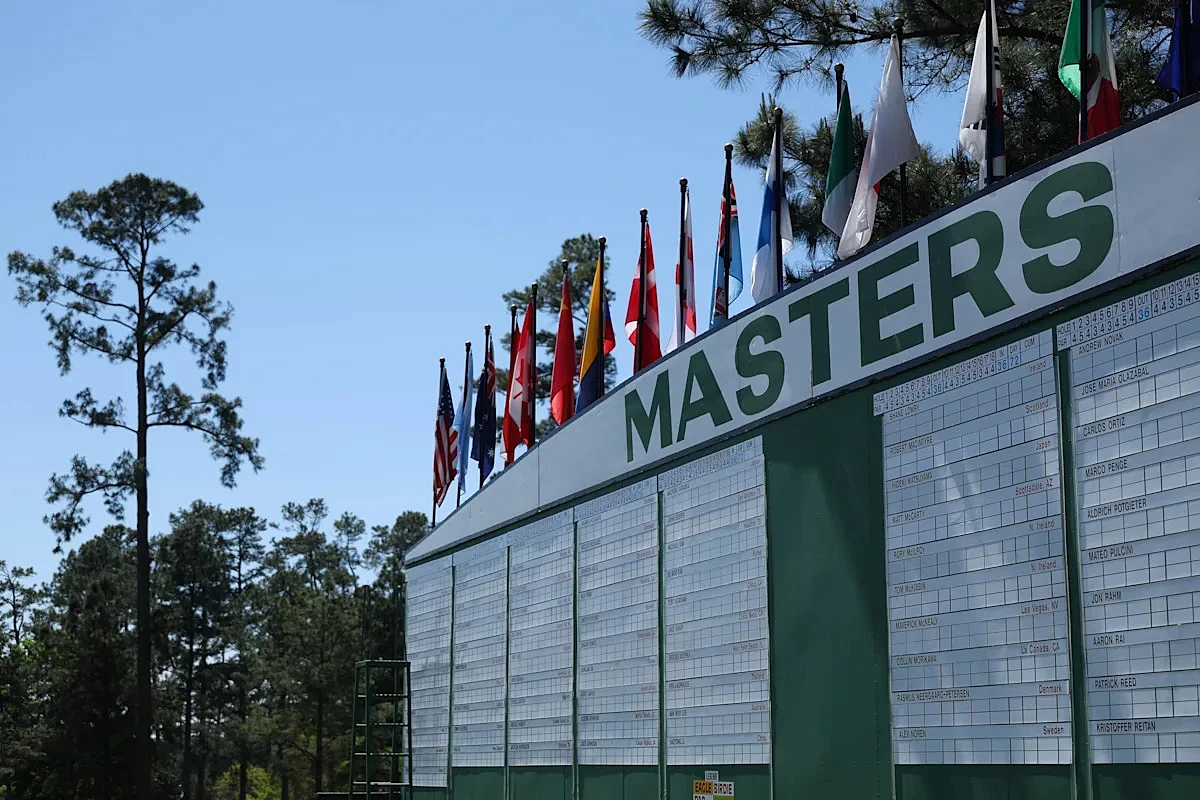
Augusta National is bracing for a legendary test of skill and nerve. As the world's best golfers walked the hallowed grounds in practice rounds, a clear message was sent: the 2026 Masters is shaping up to be a brutal examination, with Mother Nature poised to be the ultimate course architect.
The warning signs were on full display Wednesday. Two-time champion Scottie Scheffler, on the iconic par-5 15th, watched a seemingly perfect wedge shot transform into a cautionary tale. His ball, landing softly, gathered speed on the firm green, refusing to hold before trickling into the pond. It wasn't a bad shot—it was a great shot on a course demanding perfection.
This is the magic and menace of Augusta. When dry conditions bake the fairways and greens, the course's legendary slopes become exponentially more treacherous. "You have to be more precise when it's firm," noted Kurt Kitayama, highlighting the razor-thin margin for error. A shot that's merely "good" can quickly become a disaster, as holding these slick, crusted greens will require pinpoint accuracy.
While Augusta National has famously lengthened over the years to challenge modern power, its most formidable defense remains the weather. Rain softens the course, allowing for aggressive, scoring-friendly play. But sunshine and wind create a different beast entirely—one defined by firm, fast conditions where controlling approach shots and navigating lightning-quick putts separates the contenders from the champions.
With a forecast of clear skies, the stage is set for a classic, grind-it-out Masters. This won't be a birdie-fest; it will be a strategic war of attrition. Every club selection, every landing spot, and every delicate putt will carry immense weight, promising a tournament where mental fortitude will be just as important as a pure swing.