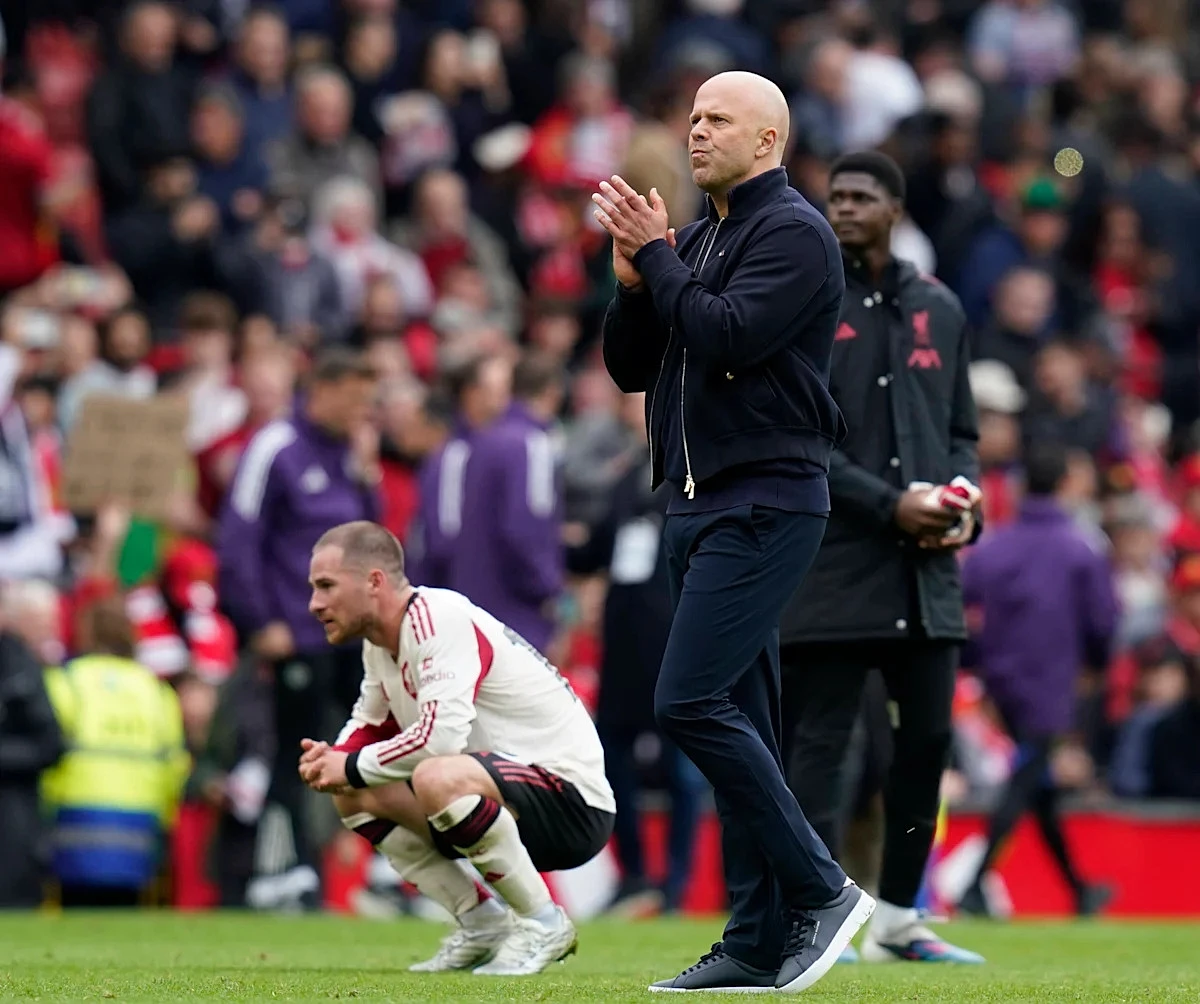
Liverpool's latest setback has laid bare a harsh reality that's been building all season, and Roy Keane's blunt assessment couldn't ring more true. After a painful loss to Manchester United, the numbers paint a grim picture: this is a team that's been beaten far too often, and the excuses are running thin.
Based on Dominic King's reporting in The Telegraph, Sunday's performance at Old Trafford wasn't just an off day. It was the latest chapter in a troubling pattern. Sure, Liverpool mounted a late rally that briefly sparked hope, but by then, the damage was already done. A passive opening spell handed control to United, and the Reds never truly recovered.
King captured the mood perfectly: "Don't be fooled. The fightback made the game dramatic and, for a period, distorted the narrative but banish the idea that Liverpool were unlucky." That's the key takeaway here. This wasn't bad luck. This was a structural weakness, plain and simple.
Consider the squad. Liverpool's starting XI was assembled at enormous cost and includes multiple Premier League and Champions League winners. Yet on the pitch, they played with none of the authority you'd expect from reigning champions. Instead, they looked uncertain, reactive, and alarmingly fragile when the pressure mounted.
Few voices in football carry the weight of Roy Keane when it comes to calling out complacency, and his verdict was as direct as it was damning.
"The worst insult for a team is when people say you're easy to play against," Keane said. "Liverpool are – certainly this year. They've lost 18 in total. If teams think you're easy to play against, that's an insult off the back of winning the league."
He didn't stop there. "That will hurt the players and manager the most. If you want to stop counter-attacks, stop it at source. Decision-making, being in the right positions. The softness with Liverpool is even in their decision-making."
That word—softness—feels central to everything that's gone wrong. Liverpool are no longer imposing themselves physically or tactically. Opponents sense vulnerability, pressing aggressively, exploiting transitions, and finding space far too easily. Conceding first has become a recurring theme, and once behind, this team struggles to find the resilience that once defined them.
For a club that prides itself on never giving in, that's perhaps the most worrying trend of all. The tally of defeats has reached absurd levels, and the questions are only getting louder.