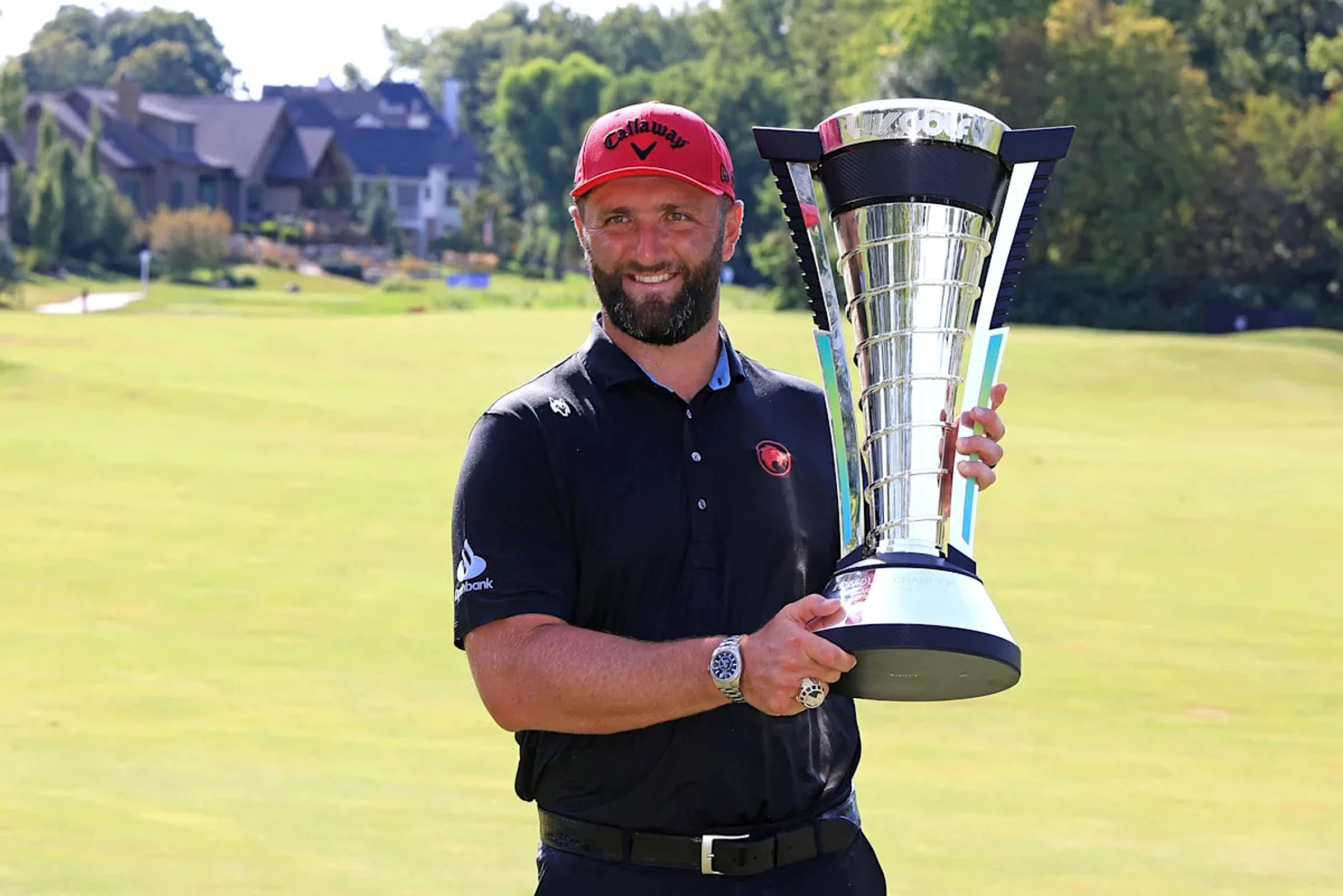
The world of professional golf has been defined by the rivalry between the established PGA Tour and the Saudi-backed challenger, LIV Golf. However, new reports suggest the upstart league's future is now in serious jeopardy, with its financial lifeline reportedly fraying.
Despite a war chest from Saudi Arabia's massive Public Investment Fund, LIV Golf is said to be "hanging by a thread" after hemorrhaging billions of dollars since its explosive 2022 launch. The league, which lured top stars like Phil Mickelson and Brooks Koepka with unprecedented contracts, has struggled to turn its high-profile signings into a sustainable business model.
In a dramatic turn, leadership has shifted behind the scenes. Greg Norman, the league's outspoken former CEO, has departed. His replacement, Scott O'Neil, recently sent an internal memo to staff aiming to project confidence and quell rumors of the league's imminent collapse. He emphasized moving forward with plans for a 2026 schedule with the "full energy of an organization that is bigger, louder and more influential than ever before."
Yet, the core challenge remains: capturing a meaningful audience. While LIV's team format and shotgun starts created a buzz, its U.S. television viewership has consistently lagged, a critical hurdle for any league seeking major sponsorship and media rights revenue. In response, LIV executives have begun pivoting their messaging, now branding it as a "world golf league" in hopes of finding a foothold in international markets.
The situation underscores a harsh reality in professional sports: even the deepest pockets have limits. For LIV Golf, the initial phase of disruption, marked by staggering player payouts and legal battles, appears to be giving way to a pivotal fight for survival. The coming months will determine if the league can evolve from a well-funded experiment into a lasting entity in the golf ecosystem.