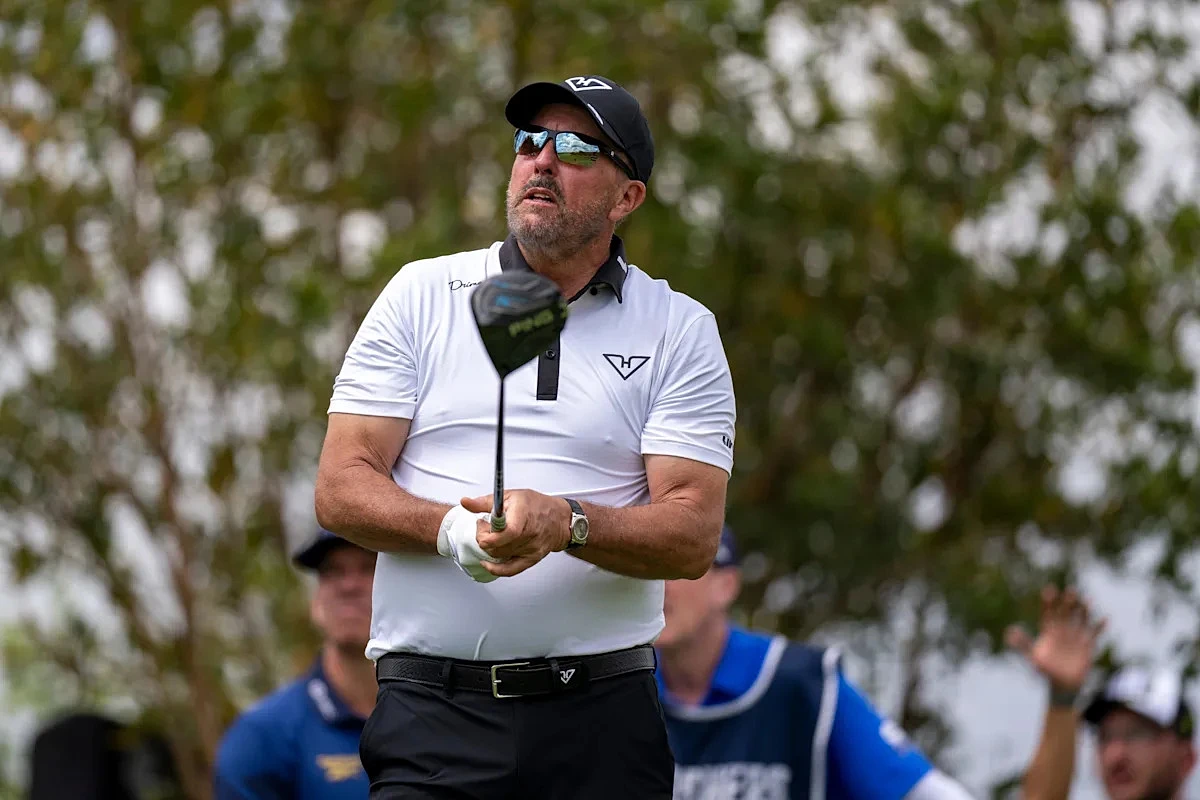
In a move that sent shockwaves through the golf world, LIV Golf's primary financial backer, Saudi Arabia's Public Investment Fund (PIF), has reportedly pulled its support, signaling a stunning reversal for the controversial league. This development proves that even a sovereign wealth fund valued at a staggering $1.15 trillion has its limits when pouring billions into a venture with questionable returns—a sum reported to exceed $5.3 billion since LIV's 2022 launch.
The league now faces an existential crisis, with new CEO Scott O'Neil tasked with an almost impossible mission: convincing players, staff, and the sporting world that LIV remains relevant. This challenge comes after the departure of founding CEO Greg Norman and amidst persistently dismal U.S. television viewership, which has starkly contrasted with the league's initial bombast.
In an internal memo aimed at steadying the ship, O'Neil urged staff to focus on "putting on the most compelling show in sports" and boldly claimed the organization is moving toward its 2026 schedule with more energy and influence than ever. However, this confident rhetoric is being severely tested. In a telling pivot, LIV executives have recently begun branding it as the "world golf league," a clear attempt to reframe its narrative and find a sustainable identity beyond its rocky start.
The fundamental question now is whether any show, no matter how compelling, can succeed without a solid foundation. For a league built on disruption, its greatest test is no longer challenging the PGA Tour's status quo, but simply proving it has a viable future at all. The pressure is on, and the golf world is watching to see if LIV can move from being a well-funded spectacle to a legitimate, lasting part of the sport's ecosystem.