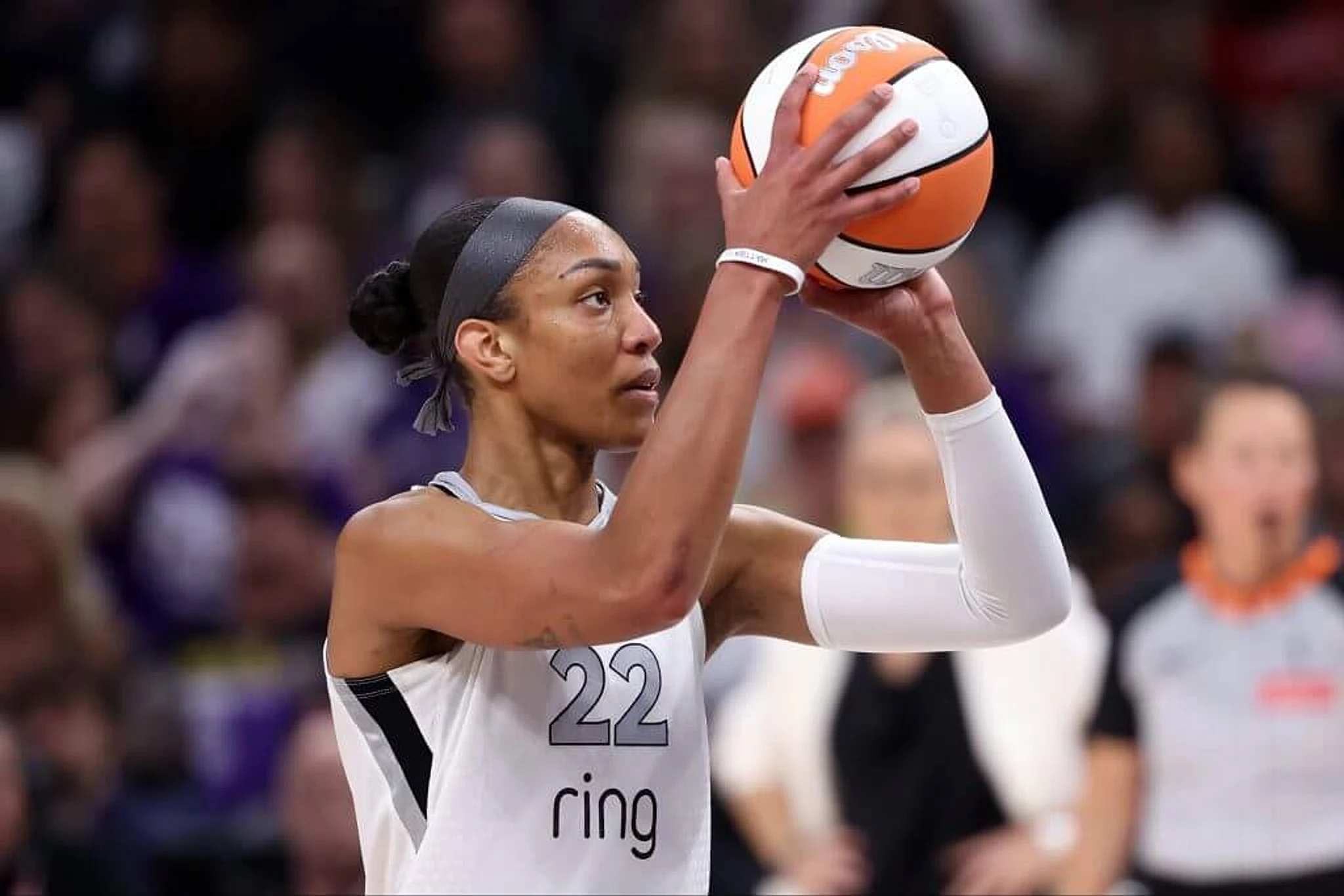
When the WNBA's new collective bargaining agreement was signed in March, the Las Vegas Aces knew exactly where to start their championship defense: with A'ja Wilson. The four-time MVP and three-time champion wasted no time signaling her commitment to staying in Sin City, setting the stage for an offseason built on loyalty and smart roster management.
After eight seasons with the Aces, Wilson has become the undeniable heartbeat of the franchise. While the team boasts a deep core of talent around her, it's her generational presence that makes the entire system click. In a league where finding a Finals MVP-caliber player is the hardest piece of the puzzle, the Aces had the luxury of focusing on keeping their superstar rather than chasing one.
Wilson's public pledge to return was the catalyst that kept the band together. One by one, the rest of the starting lineup—Jackie Young, Chelsea Gray, NaLyssa Smith, and Kierstan Bell—followed suit, along with key reserves Jewell Loyd and Dana Evans. "We focused on player retention," said Aces president Nikki Fargas. "When you have a roster as talented and seasoned as ours, that was huge for us."
But retaining talent isn't as simple as it used to be. The new CBA brought massive financial changes, with the salary cap jumping nearly five-fold from $1.5 million in 2025 to $7 million in 2026. Players now earn a larger share of the pie, and the supermaximum salary eats up 20% of the cap—up from less than 17% last season. That shift made things especially tricky for the Aces, who have multiple players deserving of max contracts.
Wilson, Young, and Gray had all been playing below market value on extensions during the 2025 season. Each was due for a raise, both in total salary and cap percentage. Young ultimately signed a one-year maximum deal, ensuring the Aces' core stays intact while navigating the new financial landscape. For a team chasing history, keeping the engine running was the only option—and they made it look easy.