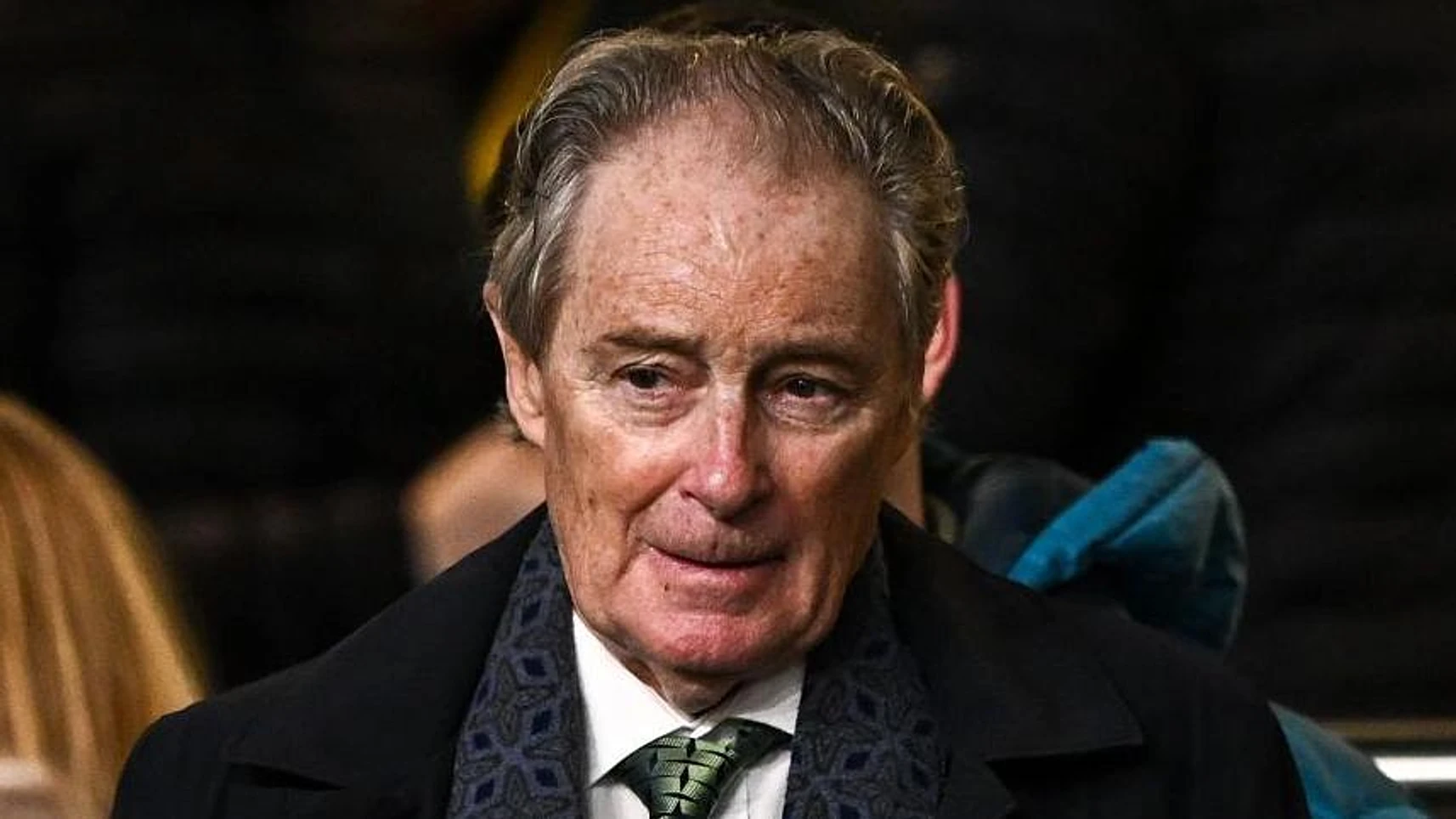
The call to boycott Ireland's upcoming Nations League matches against Israel has gained significant momentum, with former Republic of Ireland manager Brian Kerr joining 38 other prominent figures in signing an open letter urging the Football Association of Ireland (FAI) to take a stand.
The 'Stop The Game' campaign, launched by the advocacy group Irish Sport For Palestine, demands that Ireland withdraw from both the away fixture on September 27 and the return leg in Dublin a week later. The group argues the matches should not proceed, citing what it describes as "clear and ongoing serious breaches of Uefa and Fifa statutes regarding Israeli teams playing on occupied Palestinian lands" and "a brutal system of apartheid and genocide, both of which are accepted by the Irish government."
Israel has consistently denied accusations of committing genocide or war crimes, maintaining that its actions in Gaza are justified as acts of self-defense.
Kerr, who managed the Republic of Ireland from 2003 to 2005, is among a diverse and high-profile list of signatories. The letter also features former Republic of Ireland women's international Louise Quinn, ex-Sweden star Hedvig Lindahl, and musicians including Paul Weller, Bobby Gillespie, Tom Morello, Kneecap, and Fontaines DC.
Professional Footballers' Association of Ireland chair and Shamrock Rovers captain Roberto Lopes—who is set to represent Cape Verde at this summer's World Cup—also added his voice to the cause. "We have to stop the game," Lopes wrote. "As players and fans, our natural instinct is always to get out there and compete, but this is a moment where we need to look at the bigger picture. We can't ignore the humanitarian catastrophe in Palestine; the sheer loss of life there has to take precedence over any sporting consideration. Ireland has an opportunity here to lead—to be a pioneer and do what others won't. We need to be brave enough to say enough is enough. We can't just stand by."
The open letter specifically calls on the FAI to "uphold these rules if Uefa will not," referencing a November 2025 vote by FAI members that instructed the association to take a firmer stance on the issue. The FAI has been contacted for comment, but has not yet responded.
This development adds another layer of complexity to the already charged atmosphere surrounding international football's relationship with geopolitical conflicts, and raises questions about the role of sport in times of humanitarian crisis.