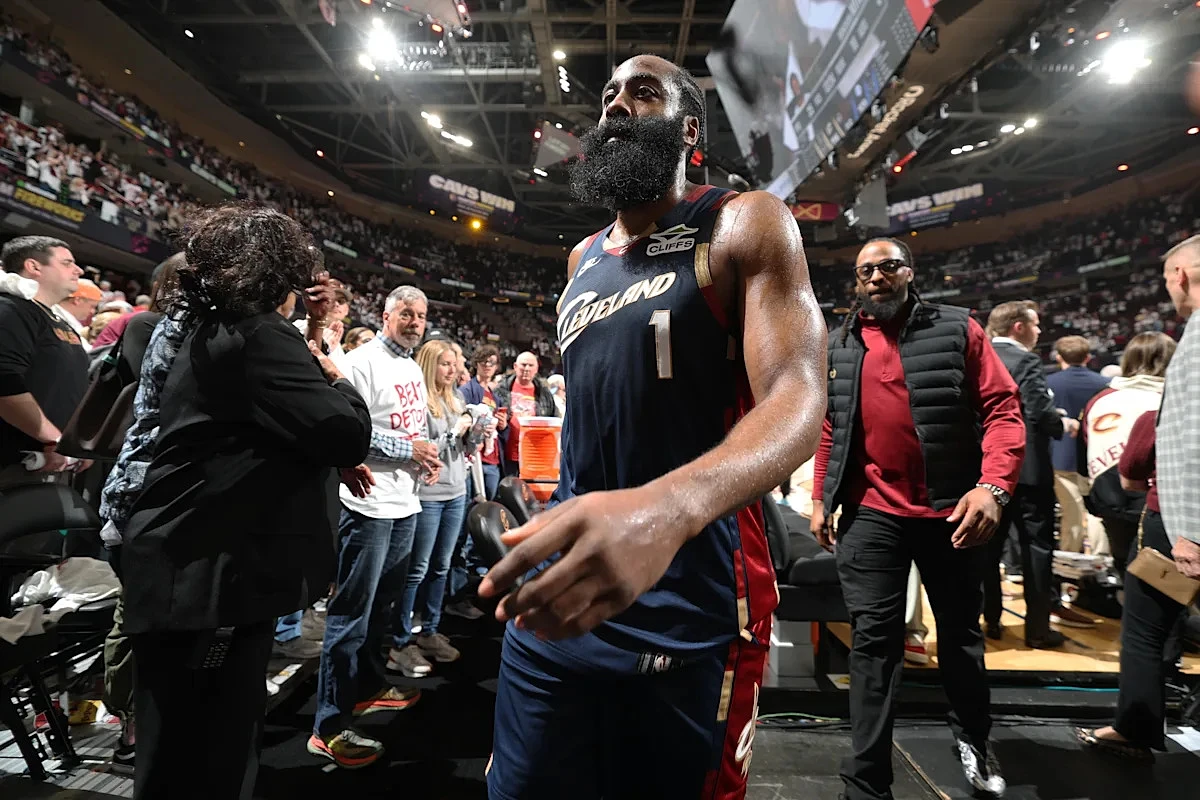
When James Harden stayed late after practice between Games 2 and 3 of the first round, it wasn't just routine—it was a statement. While his teammates rushed off to catch a flight to Canada, Harden was still on the floor, dialed in on a specific adjustment he'd spotted in the film. He noticed how Toronto was defending him, and he wanted to be ready. Shot after shot, he worked on generating three-point looks coming off screens on his right. Every miss drew a curse. Some were quiet murmurs; others echoed across the empty gym.
"There's a cerebral part of the work he does individually," Cavs head coach Kenny Atkinson said at the time.
Fast forward two and a half weeks, and that work paid off in a big way. In Game 3 of the second-round series against the Detroit Pistons, Cleveland found themselves in a familiar playoff bind. They had blown a 17-point lead in the third quarter and were trailing in the fourth. They needed buckets—and they needed them now.
But instead of leaning on Donovan Mitchell, who already had 35 points, the Cavs turned to Harden. Mitchell didn't hesitate to defer. "You see the work," he said. "He's worked really hard on his game, and his resume speaks for itself."
Harden is no stranger to the spotlight. He's one of the most accomplished guards in NBA history—ninth all-time in points, 12th in assists, and a resume packed with individual hardware. Even at 36, the skills that made him a legend are still there. But the one thing critics have always pointed to is playoff success. This time, with the season on the line, Harden showed exactly why he's still a winner when it matters most.