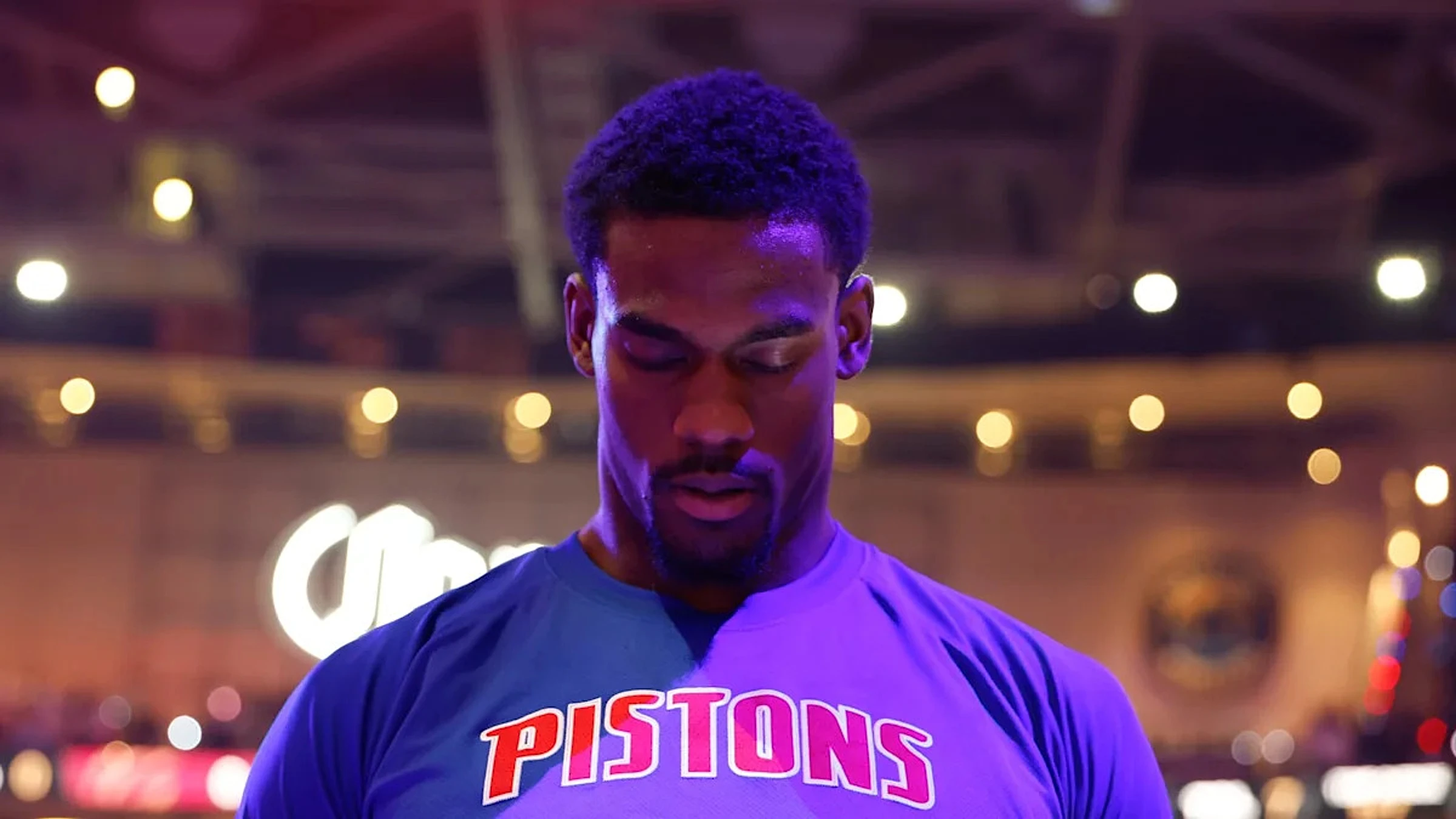
Jalen Duren’s breakout season has put the Detroit Pistons in a tough spot this offseason. After failing to agree on a contract extension last summer—Duren felt the team undervalued him—the young center went out and proved his worth. He averaged 19.5 points on 65% shooting, pulled down 10.5 rebounds per game, and played elite defense that even earned him Defensive Player of the Year votes. With an All-NBA selection almost certainly on the way, many expected Duren to command a max contract this summer: a five-year deal worth at least $239 million, potentially climbing to $287 million.
But the postseason has told a different story. Duren has struggled when it matters most, averaging just 10.1 points and 8.3 rebounds per game while his lack of outside shooting has clogged the Pistons' offense. Things got so difficult that coach J.B. Bickerstaff benched Duren for Paul Reed in the fourth quarter and overtime of a critical Game 5. That raises a serious question: Is Duren still worth a max deal?
According to one Eastern Conference executive who spoke with ESPN’s Brian Windhorst, the answer is complicated. "He's not a max player, but they're probably going to have to give him the max," the exec said. "Because now cap space teams like Chicago or Brooklyn might see him as someone they could get with a max offer sheet and Detroit will have to match."
The executive added a warning: "With the new apron rules, it might come back to bite them, and it's just another example of how the CBA crushes team building."
This dilemma isn’t isolated to Duren. The Pistons also need to re-sign Ausar Thompson this offseason. Both are key defenders who helped build Detroit’s culture, but both are also non-shooters who have created spacing problems in the playoffs. As Orlando and then Cleveland threw multiple defenders at Cade Cunningham, the Pistons struggled to find anyone else who could make them pay from deep. If both Duren and Thompson land huge deals—Thompson is expected to command around $25 million per season—Detroit could find itself in a financial bind that limits their ability to build around their young core. For a team that’s finally back in contention, these are the kinds of tough decisions that define a franchise’s future.