MIAMI — When Pat Riley steps to the microphone for his postseason media sessions, you know you're in for a show. But Monday's press conference? This was different. The Miami Heat president, known for his colorful anecdotes and Showtime Lakers nostalgia, kept it refreshingly direct. For nearly an hour, Riley delivered clear, coherent reasoning about where he stands and why his team missed the playoffs for the first time in seven seasons.
Then came the curveball. A question about sports gambling threatened to derail everything.
For most sports executives, gambling is a delicate tightrope walk — balancing the integrity of the game with the undeniable revenue streams it generates. But for the Heat, it hits much closer to home. Enter Terry Rozier.
Back in January 2024, Miami traded for Rozier without knowing about an ongoing NBA gambling investigation. Fast forward to this season, and the Heat found themselves stuck with $26.6 million in dead cap space after Rozier was placed on NBA leave. "It didn't work out," Riley admitted, calling the situation "a nightmare" in his signature understated way.
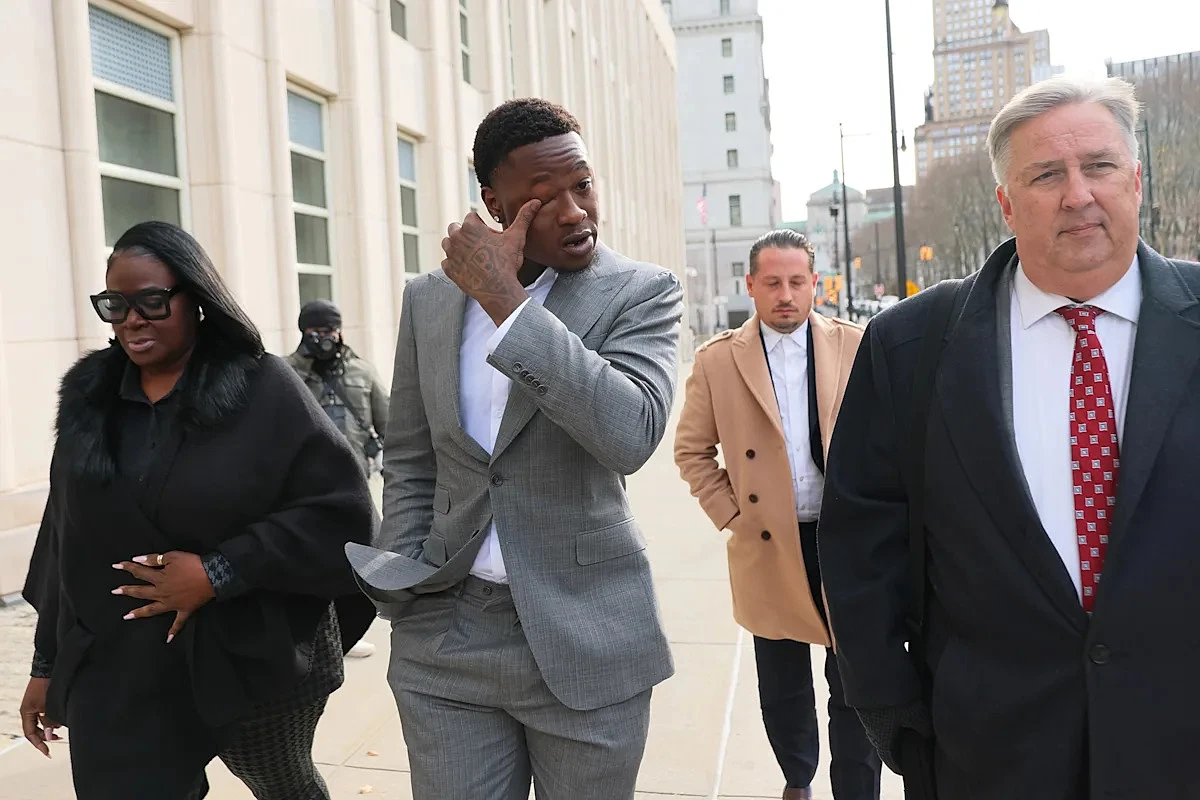
As Riley spoke at Kaseya Center, Rozier was back in court facing superseding federal charges of sports bribery and honest-services wire fraud. The timing couldn't have been more awkward — or more telling.
Just days later, the NBA doubled down on its stance against gambling-related threats. Dan Spillane, the league's Executive Vice President and Assistant General Counsel, sent a four-page letter to the Commodity Futures Trading Commission, requesting a ban on prediction markets covering officiating decisions, injuries, disciplinary actions, player transactions, fan behavior, and even G League games.
The message is clear: The lines between sports, betting, and integrity are blurring faster than ever. And for Pat Riley and the Heat, the Rozier trade has become a cautionary tale — one that leaves more questions than answers heading into next season.