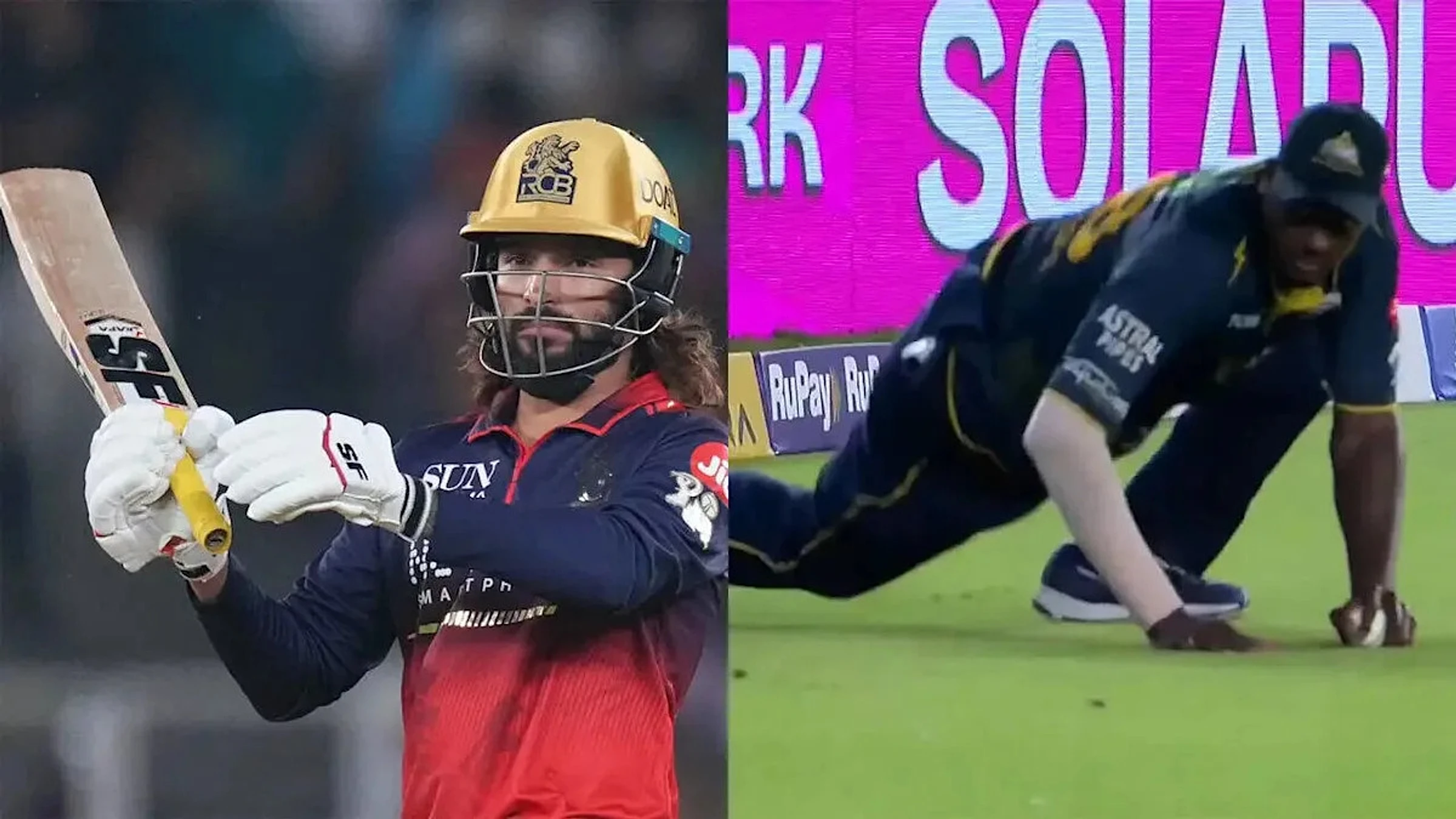
In the world of cricket, few things ignite debate quite like a controversial catch. The IPL 2026 clash between Royal Challengers Bengaluru (RCB) and Gujarat Titans in Ahmedabad delivered exactly that, leaving fans and experts divided over a pivotal moment that may have swung the match.
With RCB looking to build a solid foundation in their first innings, captain Rajat Patidar was batting on 19 in the eighth over when he attempted a pull shot to accelerate the scoring. Gujarat Titans' Jason Holder, positioned at deep backward square leg, sprinted to his right and completed a low catch as teammate Kagiso Rabada converged nearby. The catch appeared clean in real-time, but RCB players immediately questioned whether Holder had full control and if the ball had grazed the ground.
The ensuing discussion between the on-field umpires led to a review, but replays proved inconclusive. The third umpire ultimately upheld the decision, ruling Patidar out—a dismissal that significantly dented RCB's innings momentum.
Now, former West Indies cricketer Ian Bishop has weighed in, and his verdict is turning heads. "First he caught the ball, no problems with that. But then with the sliding of the hand initially, that deserved a second look," Bishop explained. "When you talk about control of the ball, you also have to consider control of the body. As he slid along the ground, were they determining that his fingers were under the ball? The back of the hand was to the sky, meaning the ball was facing the grass. There was doubt about ball and ground because you're not in control of your body until you stop sliding and stand up."
Bishop's conclusion was clear: "I think there was sufficient evidence in my mind for that to be not out." His comments add fuel to an already heated debate, reminding us how split-second decisions—and the technology meant to support them—can shape the outcome of a game. For fans watching at home, it's a moment that underscores the fine margins in modern cricket, where a single catch can spark discussions that last long after the final ball is bowled.