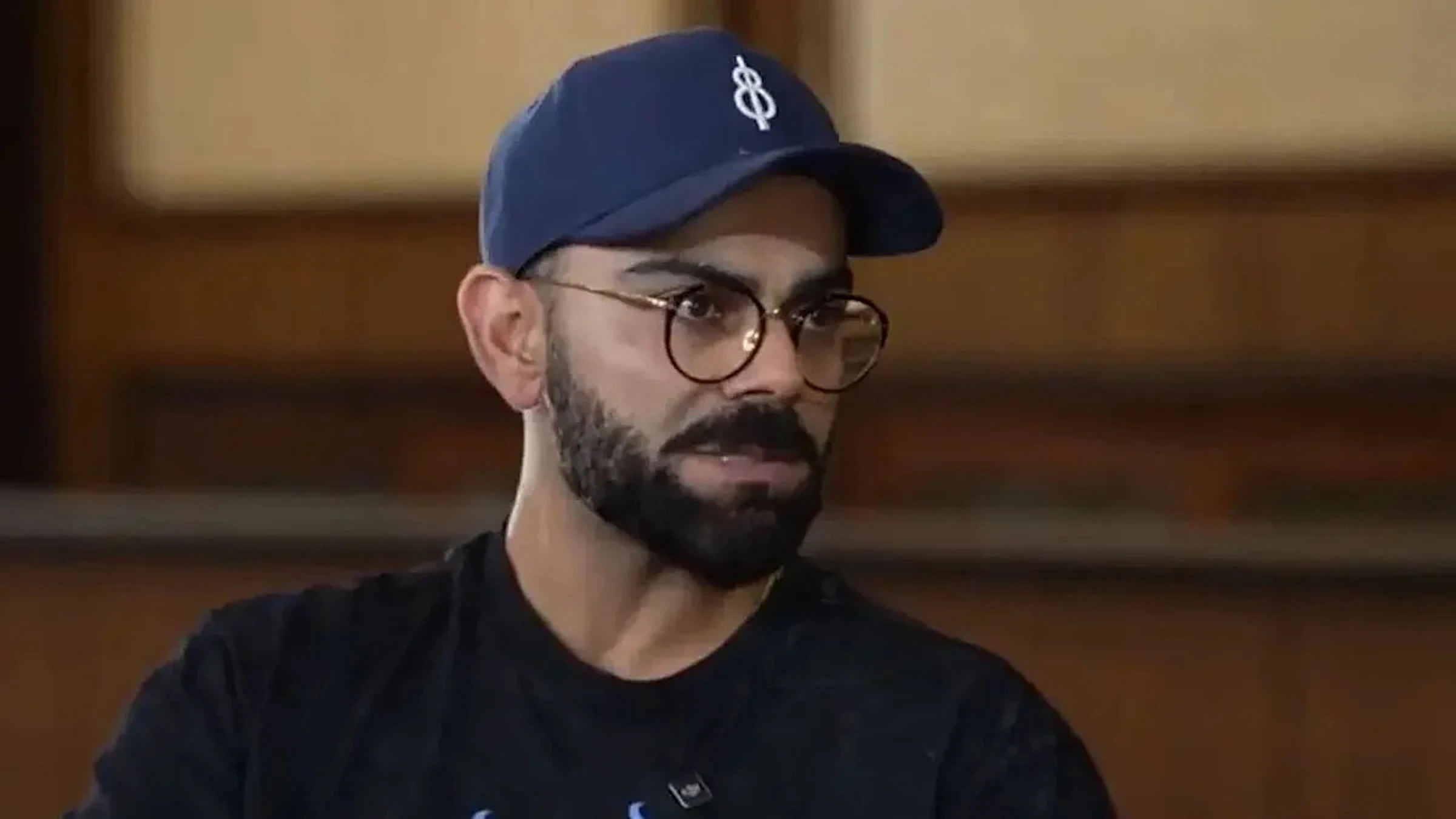
T20 cricket isn't what it used to be—and according to Virat Kohli, that's a good thing. The modern game has evolved far beyond the old "see ball, hit ball" approach, demanding a blend of sharp technique, creative innovation, and constant adaptability from every player on the field.
Batters today are rewriting the rulebook with unorthodox shots, powerful bottom-hand swings, and a fearless approach that keeps bowlers on their toes. Speaking on a podcast with Royal Challengers Bengaluru, Kohli shared a candid conversation with teammate KL Rahul about how much the format has changed. "It feels like a different game altogether," Kohli said. "Every ball is an intense event. Every ball feels like the momentum can shift in the game. It's almost like you're playing a high-intensity Champions League football game where one bad pass can change everything."
Bowlers haven't been left behind, either. Wide yorkers, slower deliveries, knuckle balls, and clever variations have become essential tools for survival in this high-scoring era. Fielding standards have also reached new heights, with breathtaking boundary catches, relay efforts, and athletic stops leaving fans in awe.
But here's the real surprise: despite the rise of young stars like Vaibhav Suryavanshi, Priyansh Arya, and Abhishek Sharma—and emerging bowlers such as Sakib Hussain, Prince Yadav, Praful Hinge, and Anshul Kamboj—experience still matters. Kohli, now 35, remains RCB's leading run-scorer this season. Bhuvneshwar Kumar, at 36, continues to be among the top wicket-takers. And Krunal Pandya, also 35, has repeatedly turned games around for Royal Challengers Bengaluru.
The message is clear: T20 cricket has become a high-intensity, distinct format that demands the best from every generation. Whether you're a rising talent or a seasoned veteran, there's no room for complacency—and that's what makes this game so thrilling.