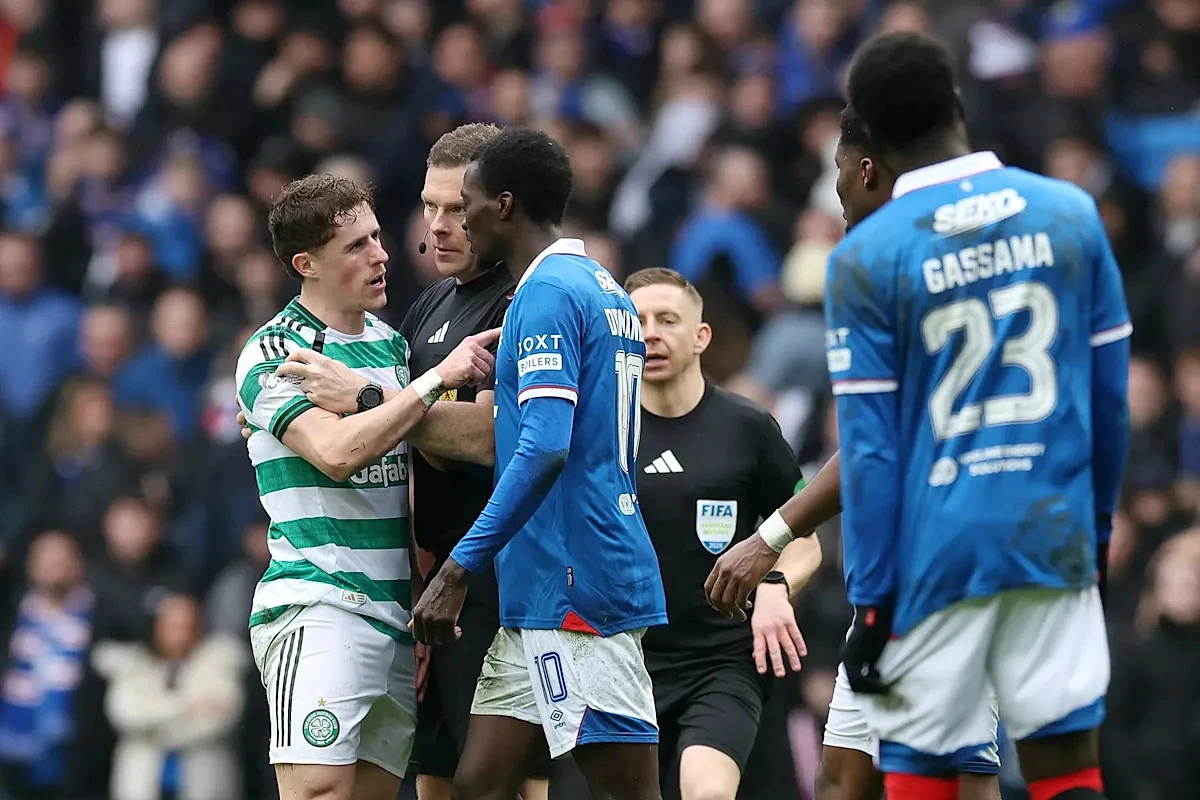
This Sunday, May 10th 2025, all eyes will be on Glasgow as Rangers and Celtic clash in the sixth Old Firm Derby of the season. While Rangers' title dreams faded after a tough loss to Hearts last time out, they still have plenty to play for—namely, spoiling their bitter rivals' championship party. But before we dive into the action, let's take a closer look at what makes this rivalry one of the fiercest in world football.
The Old Firm isn't just about goals and glory; it's a clash of identities that goes far beyond the pitch. Green versus blue, Catholic versus Protestant, Republican versus Unionist—these two clubs represent opposing worlds, and that tension has fueled the fire for more than a century. For years, Rangers famously refused to sign Catholic players, a policy that stood until Graeme Souness broke the mold by bringing in former Celtic striker Mo Johnston in July 1989.
The political roots of the rivalry deepened in the early 20th century, especially after 1912, when Belfast shipbuilders Harland and Wolff—known for their anti-Catholic hiring practices—opened a new yard in Govan, Glasgow, amid instability in Ireland. Hundreds of Ulster Protestant workers, many of Scottish descent, moved with the company and adopted Rangers as their local club. As events like World War I and the Easter Rising unfolded, Rangers became a symbol of Scottish establishment and British Unionism, while Celtic's success represented the Irish Catholic community. This divide led many fans across Scotland and Northern Ireland to choose sides based on their own beliefs, often abandoning local teams in the process.
Fast forward to 2005, and both clubs joined a project aimed at tackling bigotry and sectarianism in sport. While progress has been made, serious incidents still occur and dominate headlines. The truth is, the majority of Rangers and Celtic fans are passionate supporters who steer clear of hatred—but the actions of a few continue to cast a long shadow over this historic rivalry.