Before the world knew the names Simone Biles or Gabby Douglas, there was a trailblazer named Wendy Hilliard. In 1978, she shattered a significant barrier by becoming the first African-American rhythmic gymnast to make the U.S. National Team, launching a career that would see her compete on the world stage and fundamentally reshape the sport's landscape.
Her impact, however, truly soared after she hung up her leotard. Hilliard ascended to nearly every leadership role imaginable, from chairing the USA Gymnastics Athletes' Council to serving as president of the Women's Sports Foundation. Yet, her most enduring legacy began in 1996 with a simple, powerful mission: to make gymnastics accessible to all.
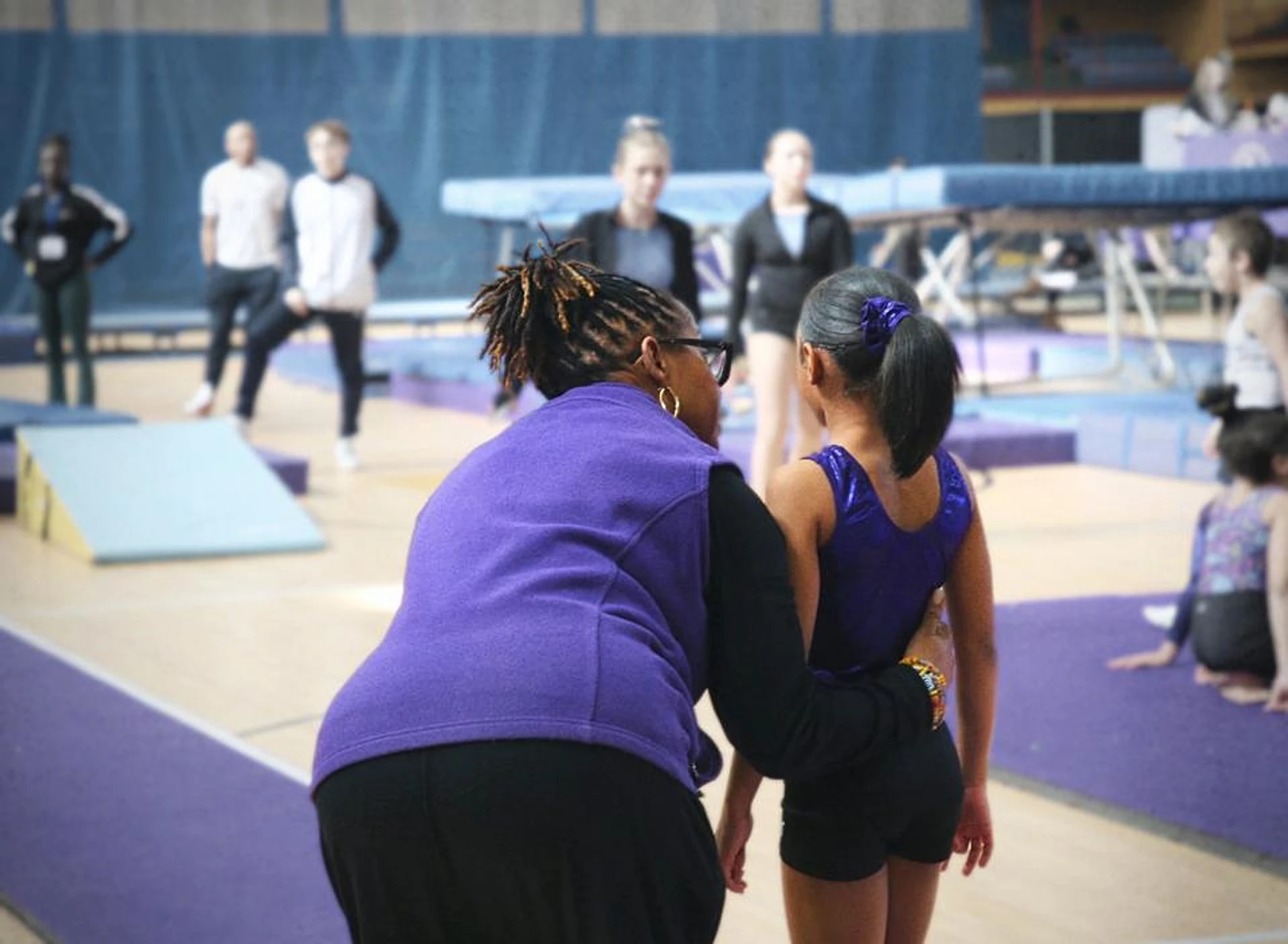
That year, following the Atlanta Olympics, Hilliard founded the Wendy Hilliard Gymnastics Foundation (WHGF) in Harlem. Born from her own experience growing up in Detroit—a city often overlooked by the sport's traditional, suburban pipelines—the foundation was built to dismantle the financial and geographic barriers that keep countless talented kids from ever setting foot in a gym.
What started as a local initiative has, over three decades, blossomed into a national force for change. As the foundation prepares to celebrate its 30th anniversary in 2026, it has empowered nearly 30,000 young athletes, providing not just gymnastics training but a foundation of discipline, confidence, and community. For Hilliard, it was never about building a monument; it was about igniting a movement. "When I started the foundation, I was not thinking long term... I was just thinking of starting it," she recalls with a laugh. That spark of energy from Detroit has now fueled a permanent gymnastics legacy, proving that the heart of a champion can build futures far beyond the podium.