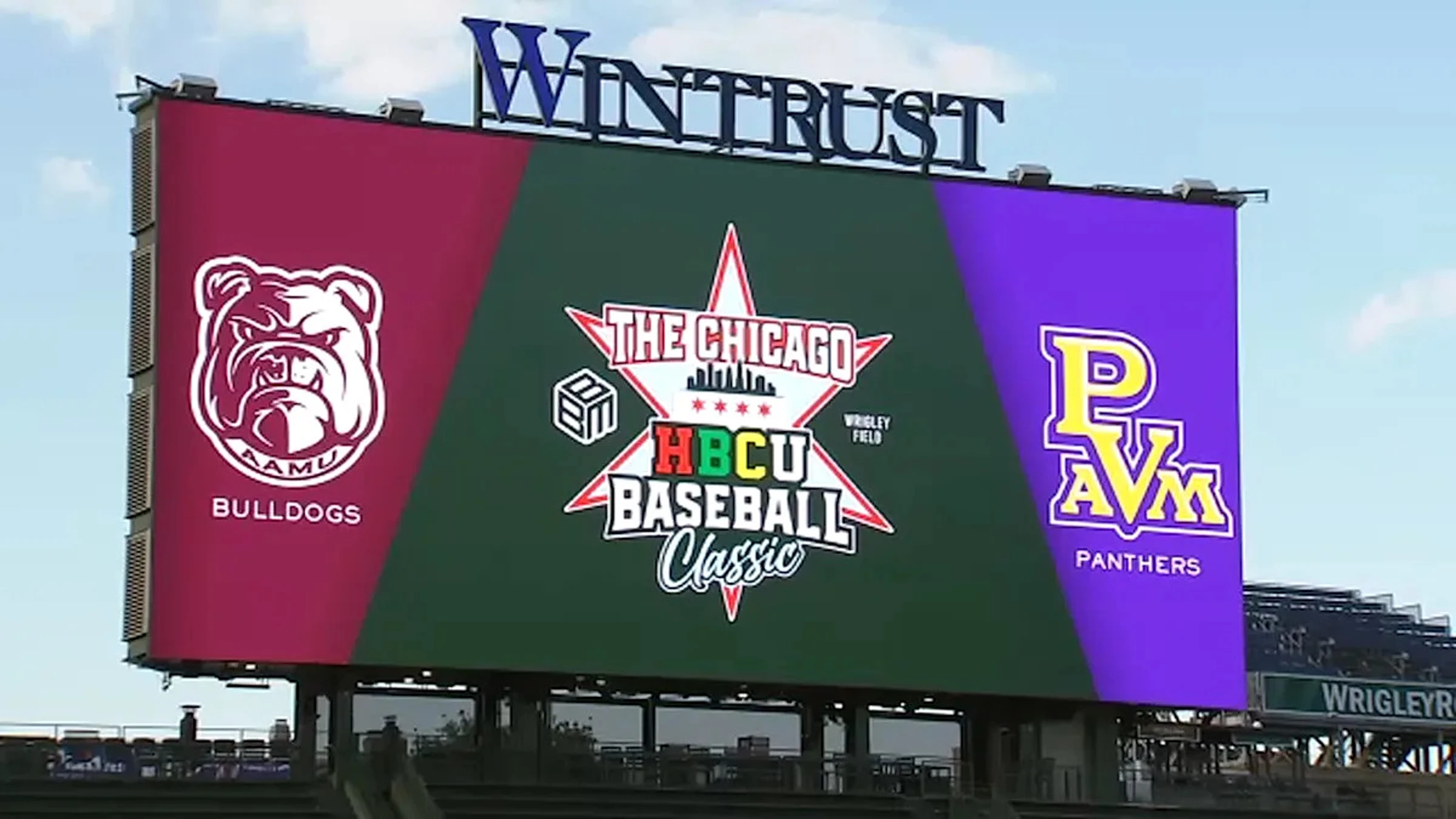
The crack of the bat echoed through Wrigley Field on Saturday, but it wasn't just the sound of a baseball game—it was the sound of history being made. In a landmark moment for the sport, the inaugural Chicago HBCU Baseball Classic brought two Historically Black Colleges and Universities to one of baseball's most hallowed grounds, turning the Friendly Confines into a celebration of heritage, unity, and pride.
While the Prairie View A&M Panthers and Alabama A&M Bulldogs battled it out on the diamond, the real victory was already secured in the stands. Fans decked out in school colors and Divine Nine paraphernalia filled the seats, their cheers blending into a chorus of support for HBCU excellence. "Like, what? This is the first time ever. I love this for us," said Alabama A&M alum Aliyah Jones, capturing the electric atmosphere.
The timing of the event was nothing short of poetic. May 2 marks the anniversary of the first Negro Leagues baseball game in 1920, which featured the Chicago American Giants. That connection wasn't lost on organizers. "This is our homecoming for HBCUs in Chicago," said Earnest Horton of Black Baseball Media, the driving force behind the event. "So many community organizations came out. Day one we sold out of those first tickets, and it's free for the community—it's truly heartfelt."
The stands buzzed with a mix of alumni, families, and fans who had never experienced an HBCU game in person before. "I never had the opportunity to go to an HBCU, so this right here is very good for me," said Markus Allen, a member of Kappa Alpha Psi. Carolyn Bonds, whose son graduated from an HBCU, echoed that sentiment: "We always had to travel down south to watch them play. Now it's a blessing and an honor to see the HBCU coming to Chicago."
Chicago Mayor Brandon Johnson added to the festivities, throwing the ceremonial first pitch before the National Anthem set the stage for a game that was about so much more than the final score. For players, alumni, and fans alike, the Chicago HBCU Baseball Classic wasn't just a game—it was a homecoming, a celebration, and a powerful reminder of the legacy and future of Black baseball.