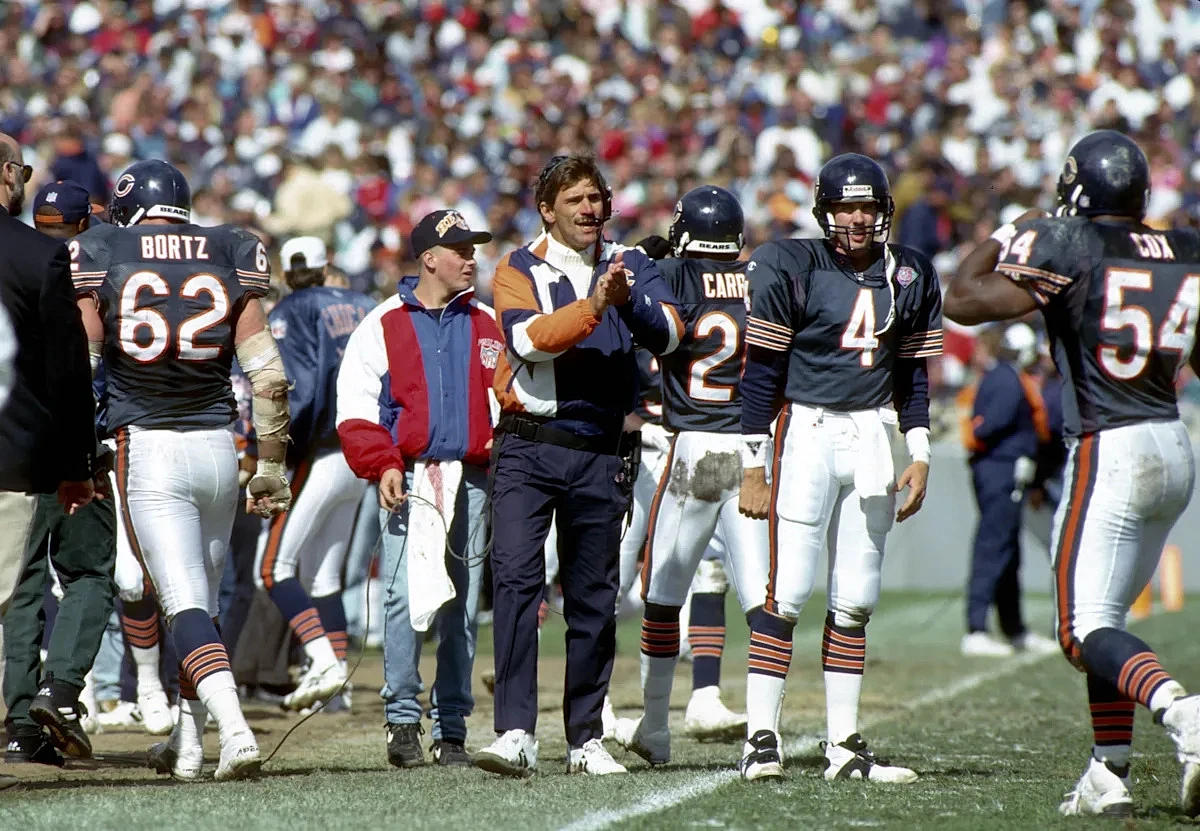


An updated set of incentives to keep the Chicago Bears in Illinois passed the Illinois House of Representatives late April 22, a key step that could dim Hoosier hopes of a second NFL team.
The proposal, which passed 78-32, would allow the Bears and other "megaproject" developers to negotiate a payment in lieu of property taxes, and put half of those funds toward property tax relief for homeowners. The tax relief effort could sweeten the deal for Illinois residents and leaders who have expressed reservations about giving too many incentives to the NFL team.
The effort now heads to the Illinois Senate, though questions remain on how exactly the infrastructure for the stadium will be funded. If passed, the offer could strain Indiana's prospects to court the team, which verbally "committed" to moving to northwest Indiana in February. Indiana's offer, passed in the form of a bill earlier this year, would fund a new Bears stadium in Hammond, Indiana, with a variety of new local taxes.
The Bears currently rent space in Chicago's Soldier Field, where they've been since 1971. But last year the team announced they wanted a "world-class stadium," floating the idea of one in Arlington Heights, Illinois, a suburb of Chicago, or just across state lines in northwest Indiana.
The announcement set off a legislative arms race between the two states earlier this year, during which officials for both states seemed to disagree about who had the upper hand in the negotiations.
The progress in Illinois isn't a done deal, but it puts Illinois in a more competitive spot. Bill sponsor Rep. Kam Buckner called it "the mechanism that makes it possible for the Bears to stay here in the state" during House debate, while also pitching it as a level-headed deal. That's been a sticking point for Illinois residents and politicians who hope to avoid adding costs to taxpayers.
Contact breaking politics reporter Marissa Meador at mmeador@indystar.com or find her on X at @marissa_meador.
This article originally appeared on Indianapolis Star: Illinois House passes Chicago Bears deal. What does that mean for Indiana?