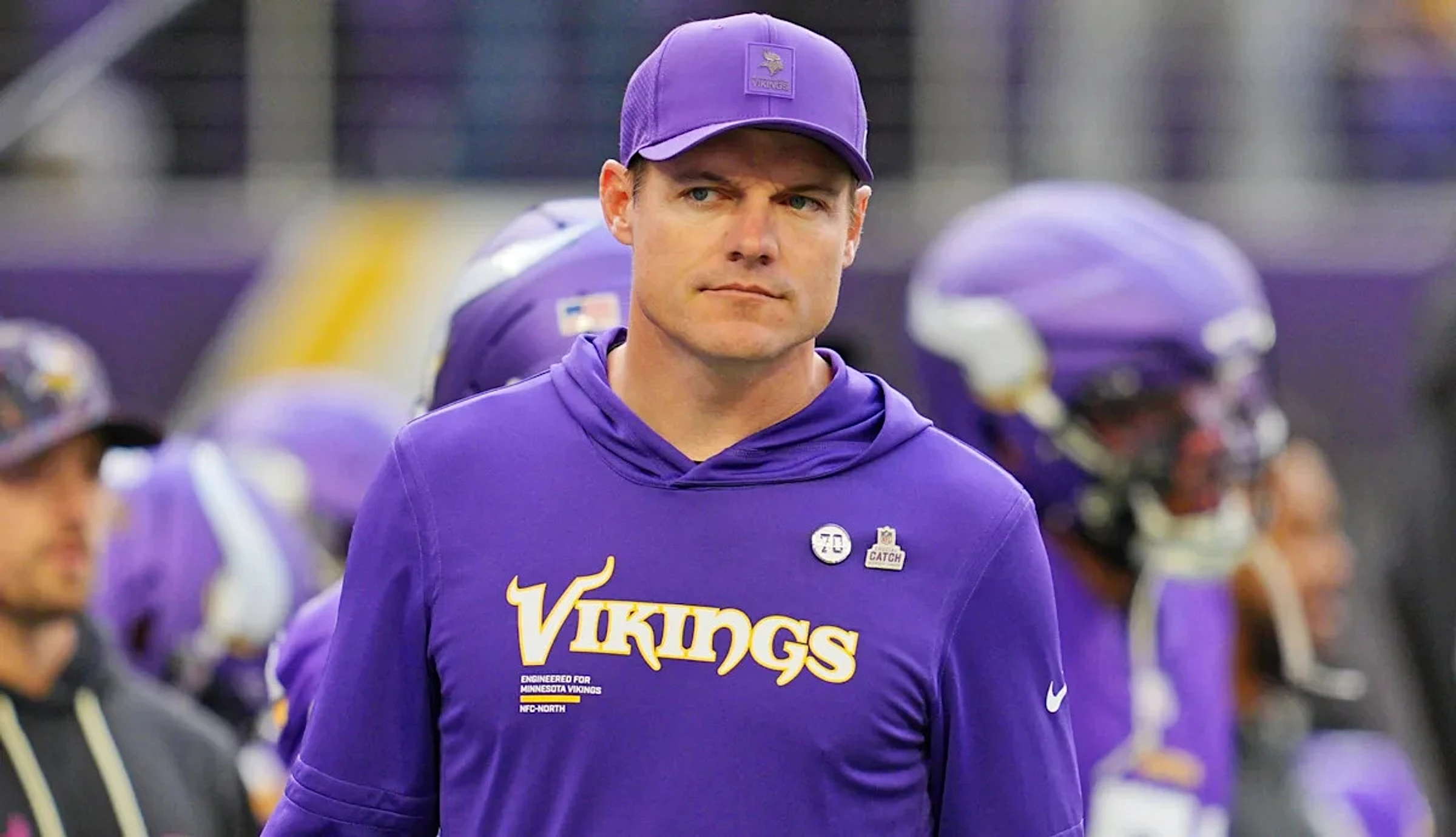
The Minnesota Vikings have quietly wrapped up one of the most productive offseasons in recent memory. With limited cap space and no blockbuster trades on the horizon, the team has managed to plug nearly every hole on their roster. Let's break down how they did it, position by position.
Running Back: A Diamond in the Rough?
In the sixth round of the NFL Draft, the Vikings took a flier on a running back who could be anything from Nyheim Hines to De'Von Achane—or maybe even Alvin Kamara, if you ask him. The rookie brings blazing speed and a versatile skill set, though his small frame raises questions. The good news? Frank Smith, his new offensive coordinator, spent the last three years developing Achane in Miami. If anyone can unlock his potential, it's Smith. Still, sixth-round picks are long shots, and fans aren't ready to crown him just yet.
Wide Receiver: From Weakness to Strength
When Jalen Nailor left for Las Vegas in free agency—chasing a starting gig and a bigger paycheck—the Vikings suddenly had a glaring hole at WR3. Most expected them to address it in the draft. They didn't. But two weeks after the draft, they made a move that flipped the narrative completely: signing Jauan Jennings. A physical blocker who thrives in contested catch situations, Jennings is a perfect fit for Kevin O'Connell's offense. Think of it this way: if Kyle Shanahan's scheme is Sprite, O'Connell's is Sierra Mist—similar formula, slightly different fizz. Jennings will transition seamlessly.
Offensive Line: Solidifying the Middle
The Vikings had options at center in free agency, but they chose to invest in continuity and development. While the specifics remain under wraps, the team's approach to the interior line suggests they're confident in their young talent and coaching staff. Expect a battle in training camp, but the foundation is stronger than it was a year ago.
Defense: Quiet but Effective Moves
Minnesota didn't make splashy defensive signings, but they addressed depth and versatility. The secondary got a boost with a veteran presence, while the defensive line added rotational pieces that should keep starters fresh. It's not flashy, but it's smart—especially in a division where every possession matters.
The Bottom Line
The Vikings entered the offseason with a laundry list of needs: running back, wide receiver, offensive line, and defensive depth. As of mid-May, most of those boxes are checked. The draft brought potential, free agency brought proven talent, and the coaching staff brings continuity. While no team is perfect in May, Minnesota has given itself a fighting chance to contend in the NFC North. For fans, that's all you can ask for.