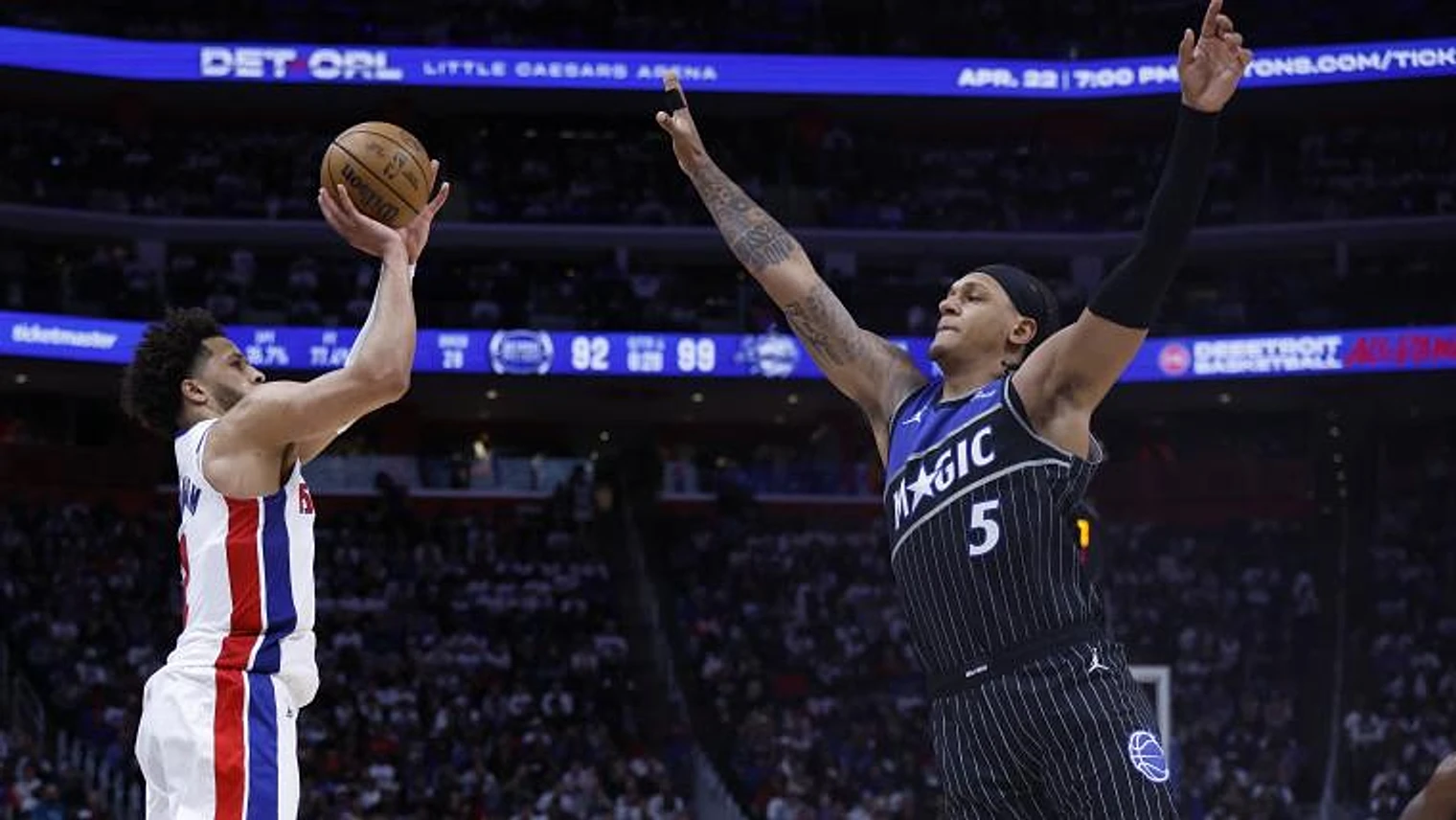
History doesn't forgive, and the Orlando Magic are learning that lesson the hard way. After jumping out to a commanding 3-1 series lead over the top-seeded Detroit Pistons, Paolo Banchero and the Magic had two chances to close out the first round. Instead, they stumbled into the record books for all the wrong reasons—and Game 6 was an absolute demolition.
Let's start with the numbers, because they are jaw-dropping. The Magic scored just 19 points in the entire second half against the Pistons. That's not a quarter—that's a half. And it's the lowest-scoring half by any team in NBA Playoffs history. To put that in perspective, Cade Cunningham alone scored 19 points in the game. He single-handedly matched the Magic's entire second-half output. If that doesn't sum up the night, nothing does.
The fourth quarter was especially brutal. Orlando managed only eight points, making just one of 20 field goal attempts and missing every three-pointer they took. Their drought between made baskets stretched an astonishing 45 minutes of game time. According to ESPN Insights, those 23 consecutive misses were the most by any team in a postseason game in the 21st century. It was the kind of cold streak that leaves fans and players alike searching for answers.
If you want to understand just how bad this was, consider this: the Magic finished with 79 total points. That means Wilt Chamberlain's 100-point game in 1962, Bam Adebayo's 83-point outburst against the Wizards, and Kobe Bryant's legendary 81-point night against the Raptors in 2006 all would have beaten this Magic team on their own. One player, outscoring an entire playoff roster. That's the kind of stat that stings for years.
For the Pistons, this was a statement. Cade Cunningham is now averaging 32.5 points in the playoffs, and Ausar Thompson has been a defensive nightmare. Their ability to lock down Banchero and force the Magic into historic inefficiency shows just how dangerous Detroit can be when it clicks. For Orlando, it's a painful lesson in closing out games—and a reminder that in the playoffs, history remembers the collapses as vividly as the triumphs.