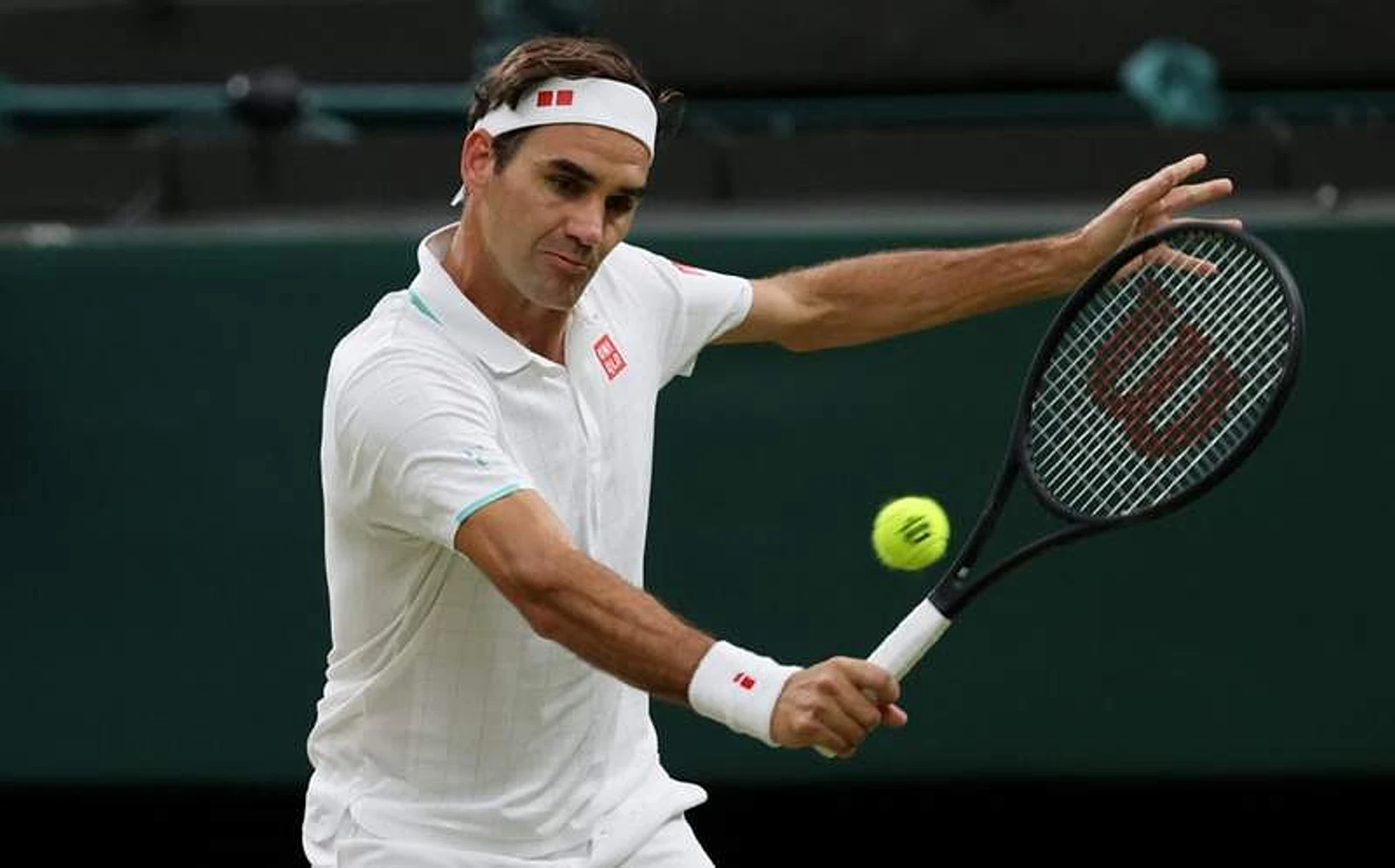
For years, the narrative of Roger Federer versus Rafael Nadal was dominated by one key statistic: the Spaniard's crushing head-to-head advantage. From 2008 to 2014, Nadal won a staggering 15 of their 19 meetings, exploiting a perceived weakness in Federer's one-handed backhand with his heavy, topspin-laden forehand. It was a puzzle the Swiss maestro struggled to solve on the biggest stages.
Then, the tide turned dramatically. Federer reeled off six victories in their next seven clashes, a stunning reversal that reshaped the final chapter of their historic rivalry. The secret to this late-career resurgence? A pivotal equipment change that became a masterclass in adaptation.
As analyzed on the 'Beyond the Numbers' podcast by former World No. 1 Jim Courier, the catalyst was Federer's decision—after a 2016 injury hiatus—to finally switch to a larger racket head. Coached by Ivan Ljubicic, this wasn't just a gear update; it was a strategic overhaul. The new frame provided a bigger sweet spot, granting Federer the confidence to take his iconic one-handed backhand earlier and on the rise, neutralizing Nadal's punishing spin.
The results were immediate and spectacular. Federer himself noted the transformation, stating in 2017, "I think the backhand has gotten better... I have gained confidence stepping into it." This renewed aggression was built on a foundation of relentless practice, ingraining the improved footwork and timing needed to execute under pressure.
The payoff was a glorious late-career run. Armed with his new weapon, Federer defeated his great rival in five consecutive tournaments between 2017 and 2019, including an epic five-set comeback in the 2017 Australian Open final. It was a testament to Federer's genius—not just as a natural talent, but as a relentless innovator willing to evolve his game to conquer the ultimate challenge.