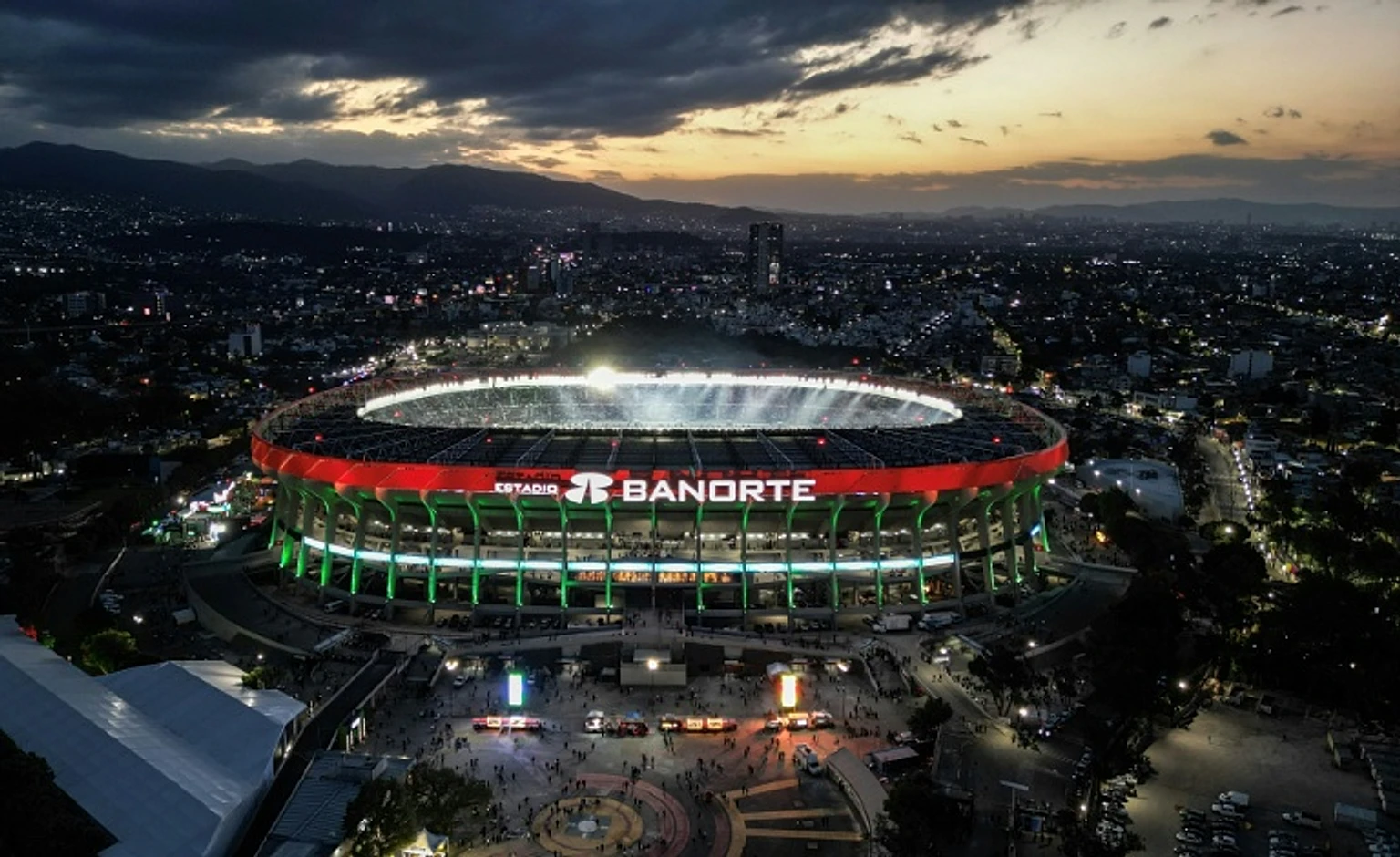
The 2026 World Cup may crown its champion in a New Jersey NFL stadium, but the journey begins in a true footballing cathedral—the Estadio Azteca in Mexico City. This iconic venue has witnessed the crowning glories of arguably the sport's two greatest ever players: Pelé and Diego Maradona. Now refurbished and ready for action, it will host the tournament's opening match on June 11, when Mexico faces South Africa.
While only 13 of the 104 matches in 2026 are played in Mexico—the country playing a supporting role to the United States, much like Canada—this still marks a historic milestone. Mexico becomes the first nation to host World Cup matches on three separate occasions. And if history is any guide, the magic of Mexican soil will once again shine through.
The two previous World Cups held in Mexico are among the most celebrated in football history. The 1970 tournament, won by Pelé's Brazil, was a watershed moment for the sport. As Andrew Downie writes in The Greatest Show on Earth, "It was a World Cup of modernity, as football took its first tentative steps into a new era." It was the first World Cup held outside Europe or South America, the first to feature substitutes, the first to introduce yellow and red cards, and the first to have its own ball—the iconic Adidas Telstar with its stylish black and white panels. Most thrillingly for fans around the globe, it was the first broadcast live in color. Downie asks, "Was there ever a more memorable tournament?"
The 1970 World Cup was defined by Brazil's breathtaking team, led by the incomparable Pelé. After demolishing Italy 4-1 in the final at the Azteca, England captain Bobby Moore reflected, "In the end it was almost as though the World Cup in Mexico had been staged for his benefit."
When Colombia withdrew from hosting in 1986, Mexico stepped in to save the tournament—now expanded from 16 to 24 teams. That World Cup belonged to Diego Maradona. It was the stage for the infamous "Hand of God" goal and the sublime solo run against England in the quarter-finals. Maradona carried Argentina to the final, where his pass set up Jorge Burruchaga for the winning goal, cementing his legacy as one of the sport's immortals.
As Mexico prepares to host World Cup matches for a third time, the echoes of Pelé and Maradona still resonate through the Azteca. For fans and players alike, the tournament's opening in this hallowed ground promises to evoke powerful memories—and raise expectations for the drama to come.