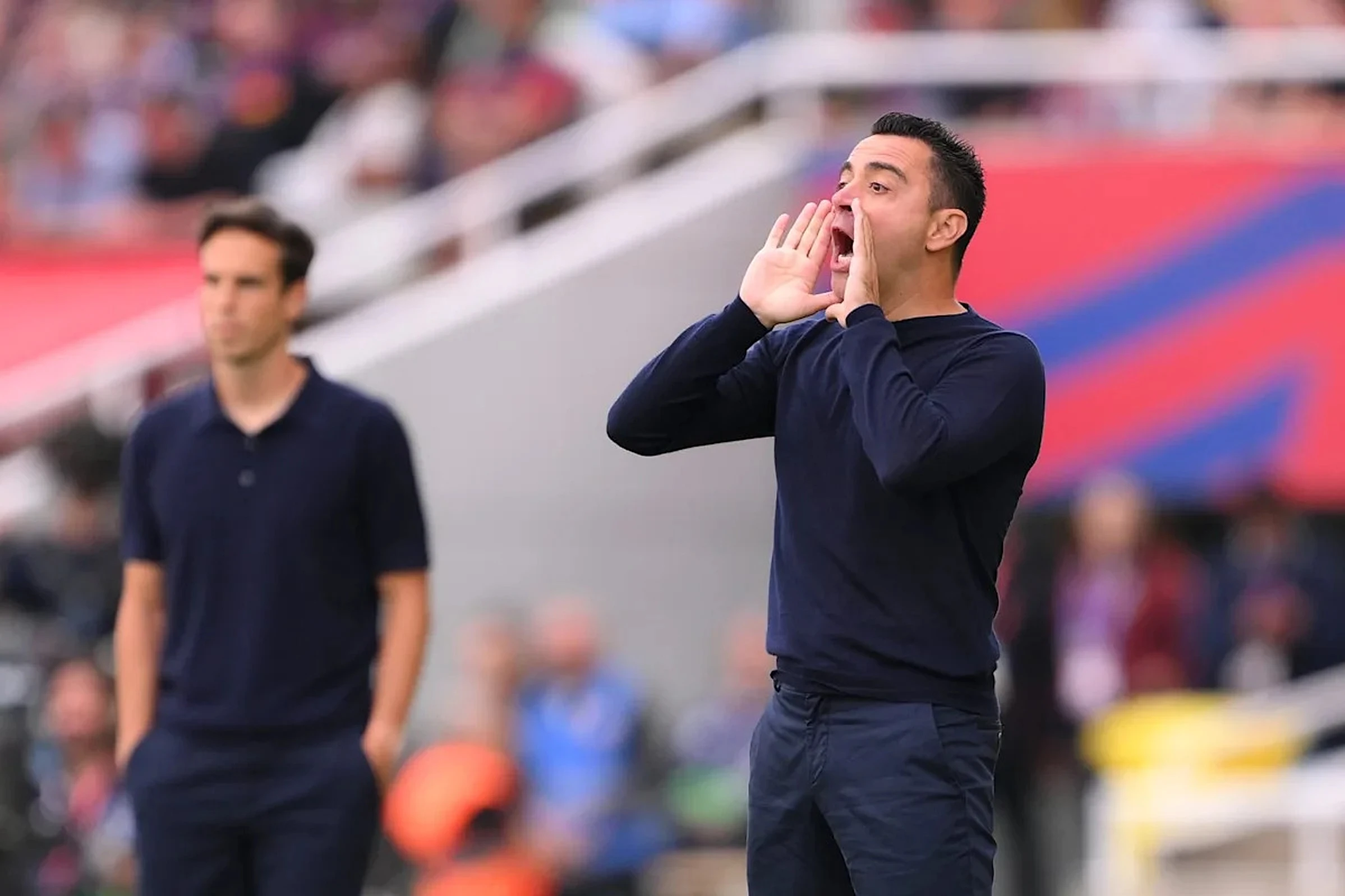
In a revealing interview that sheds new light on the turbulent behind-the-scenes atmosphere at Barcelona, a former member of Xavi Hernandez's coaching staff has spoken out about what he describes as a lack of support for the club legend during his tenure.
David Prats, who worked closely with Xavi before recently moving to Qatar to manage Al Shamal, didn't hold back in his assessment of the treatment the Barcelona icon received from within the organization. "Xavi is head and shoulders above everyone else, both personally and professionally. To me, he's a top-class manager," Prats told SPORT, emphasizing that the former midfielder remains the single biggest football influence in his career.
But the praise came with a stark warning about the realities of working at one of Europe's most demanding clubs during one of its most unstable periods. "The pressure is immense. You're at one of the biggest clubs in Europe and you have to win and play well all the time. You feel it even as an analyst," Prats explained, painting a picture of an environment where the weight of expectation is felt at every level.
For Prats, however, the most painful aspect wasn't the pressure itself—it was the nature of the criticism directed at Xavi and his staff. "What hurt me most was the unfounded criticism directed at us, especially at Xavi. He didn't deserve it; they were unfair to him. And what's more, we weren't protected from within."
The timing of these revelations adds significant context. Prats defended the work achieved under Xavi's leadership during a period when Barcelona was grappling with both sporting challenges and financial instability. "We arrived at a very difficult time for the club. We managed to get the team into the Champions League, then we won La Liga and the Super Cup," he noted, highlighting the tangible successes achieved against considerable odds.
For fans and observers of the beautiful game, this candid account serves as a reminder that even at the highest levels of football, the human element—and the need for support, loyalty, and appreciation—remains as crucial as any tactical plan or transfer strategy.