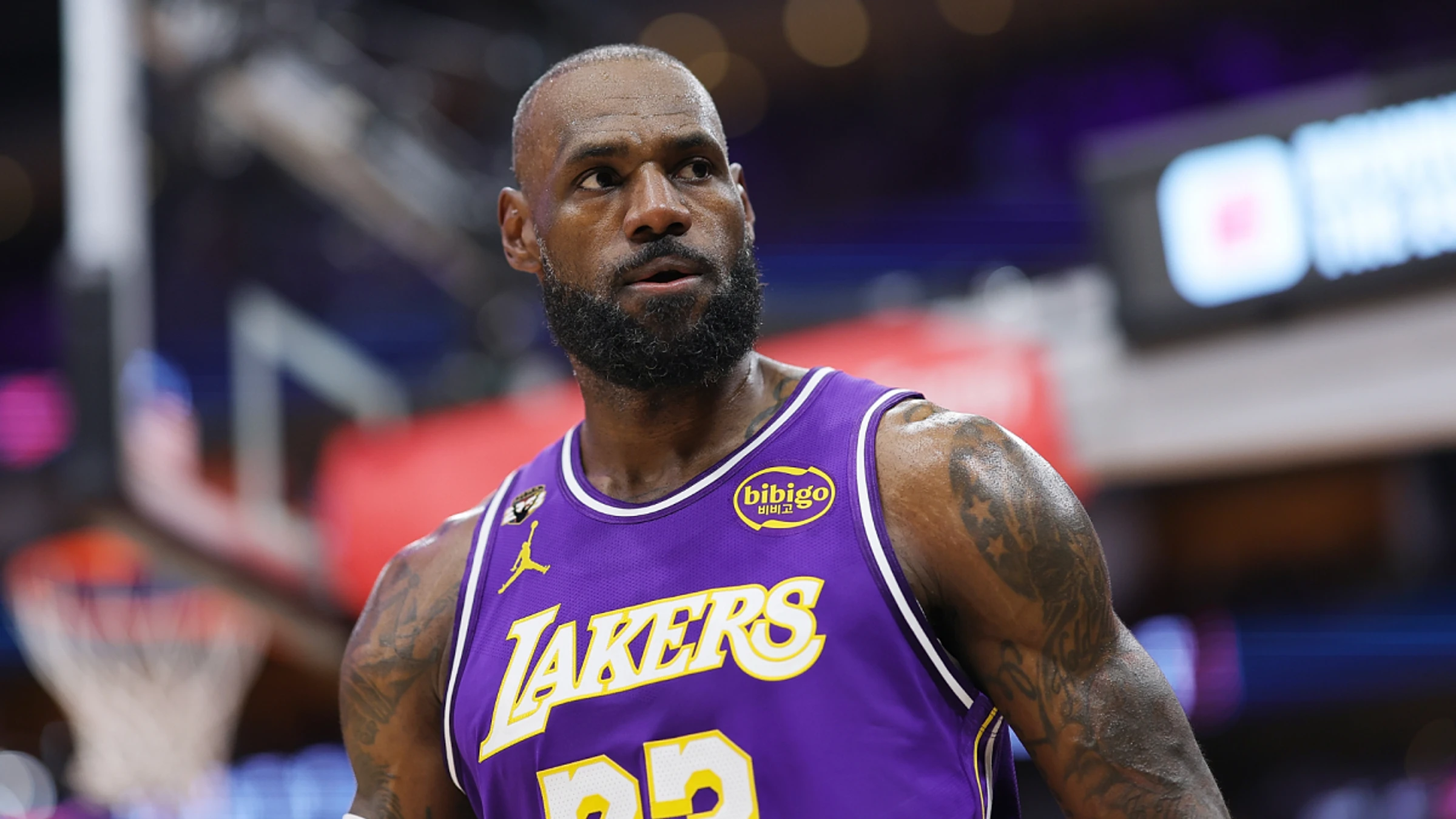
LeBron James has long been the NBA's ultimate chess player—not just on the court, but at the negotiating table. As the highest earner in league history eyes a potential return for his 24th season, the question of his next contract is anything but straightforward. Let's break down what might be in store for The King.
Back in 2010, LeBron made a calculated sacrifice when he joined the Miami Heat. He took less than the max salary to help Pat Riley build a championship roster. The gamble paid off with two titles in 2012 and 2013. But the 2013 offseason changed everything. The Heat used the amnesty clause to waive Mike Miller—a close friend of LeBron's and a vital piece of those championship runs. The move saved Miami nearly $17 million in luxury-tax penalties, but they never adequately replaced him. Instead, they rolled the dice on Greg Oden and Michael Beasley, both minimum-salary fliers who couldn't match Miller's reliability.
Miller went on to play all 82 games for the Grizzlies. The Heat, meanwhile, fell to the Spurs in the 2014 Finals, undone in part by their thinning bench. Whether that was the turning point or not, LeBron's contract philosophy shifted dramatically. From then on, he demanded every penny of his maximum salary—until the 2024-25 season, when he took a rare slight discount to help the Lakers avoid the second apron. He even offered to take less if they could land a specific free agent like Klay Thompson. They couldn't, but the gesture signaled his evolving approach.
After leaving Miami, LeBron used short-term deals as leverage. In Cleveland, it forced the Cavaliers to keep investing in the roster. In Los Angeles, that leverage was less necessary, thanks to the influence of Klutch Sports—the agency run by his longtime friend Rich Paul, which also represents Anthony Davis. LeBron's first Lakers contract was a four-year max. More recently, he's returned to shorter-term deals, keeping his options open.
But as he approaches free agency in 2026, the landscape has shifted. After 23 seasons at the top, LeBron is no longer the unquestionable force who can dictate any contract he wants. As ESPN's Dave McMenamin reported, Lakers officials have occasionally speculated about what comes next. The answer remains complex—and it could reshape the NBA once again.