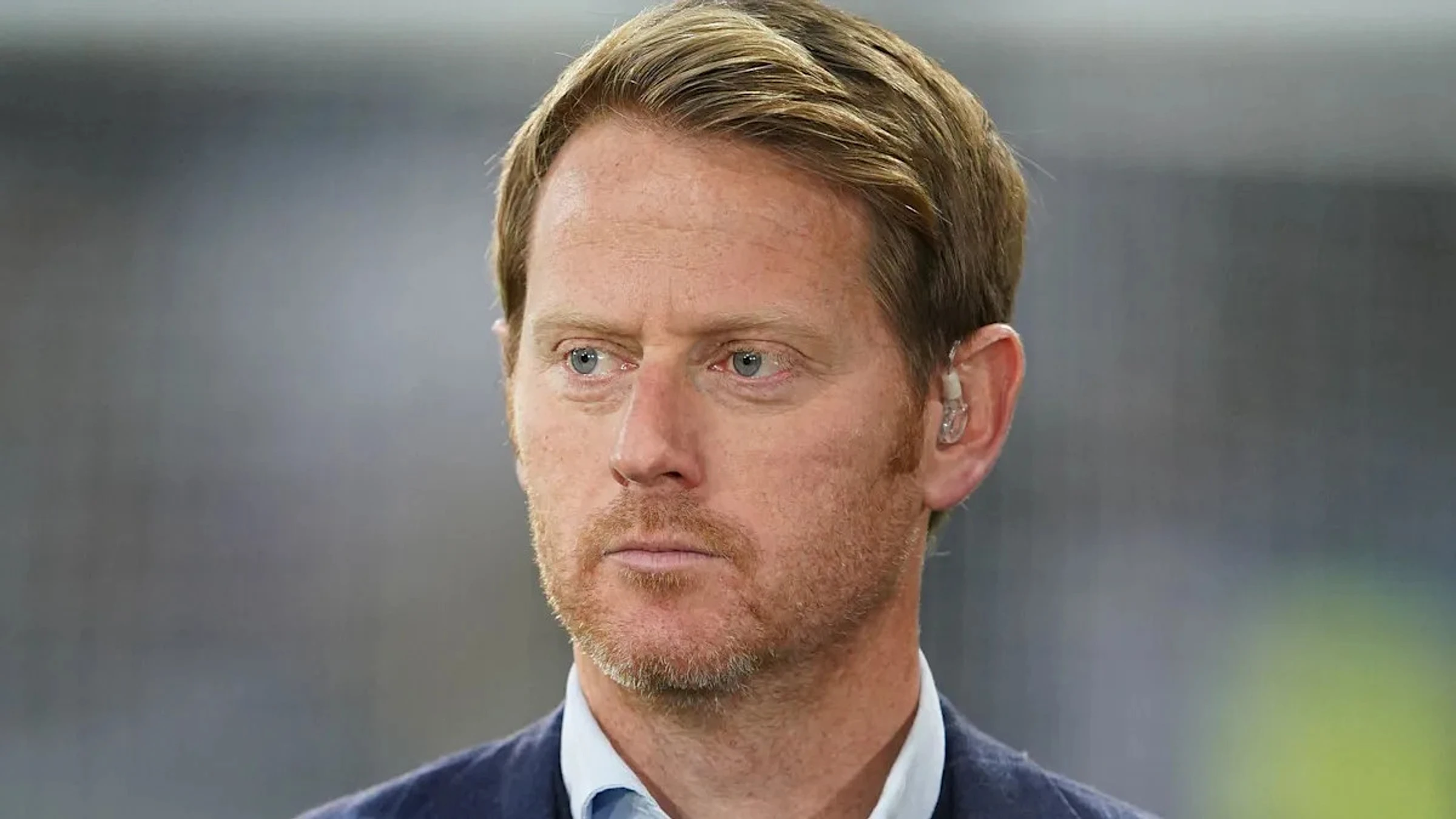
Football thrives on passionate debate, but what happens when a pundit's strong opinions cross a line for the sport's governing body? That's the question at the heart of the Scottish Football Association's decision to ban BBC and Premier Sports analyst Michael Stewart from Hampden Park.
The ban stems from Stewart's persistent and vocal criticism of refereeing standards in Scotland. The SFA, which oversees match officials, contends his commentary has moved beyond fair analysis into what they see as a campaign that questions the referees' integrity, prompting complaints from their union.
Stewart, a former Scottish international, has defended his right to critique, stating, "All football commentators should be free to express an opinion, without being denied access to the places we go to do our jobs." He argues the SFA should engage with criticism rather than silence it.
This clash highlights the tense, high-stakes environment of Scottish football punditry. While bans for journalists and pundits are not new—often used by clubs to control narratives—this move by the national governing body against a prominent broadcaster raises the stakes, framing it as a direct conflict between freedom of speech and the protection of officials.
The situation leaves fans and observers debating where the line should be drawn. In a sport built on opinions, the balance between robust analysis and perceived defamation remains as contentious as a last-minute penalty decision.