In the high-stakes world of modern college athletics, where Name, Image, and Likeness (NIL) deals and the transfer portal demand massive financial resources, universities are getting creative to stay competitive. Michigan State University is no exception, but a controversial new strategy is raising major red flags about transparency and oversight.
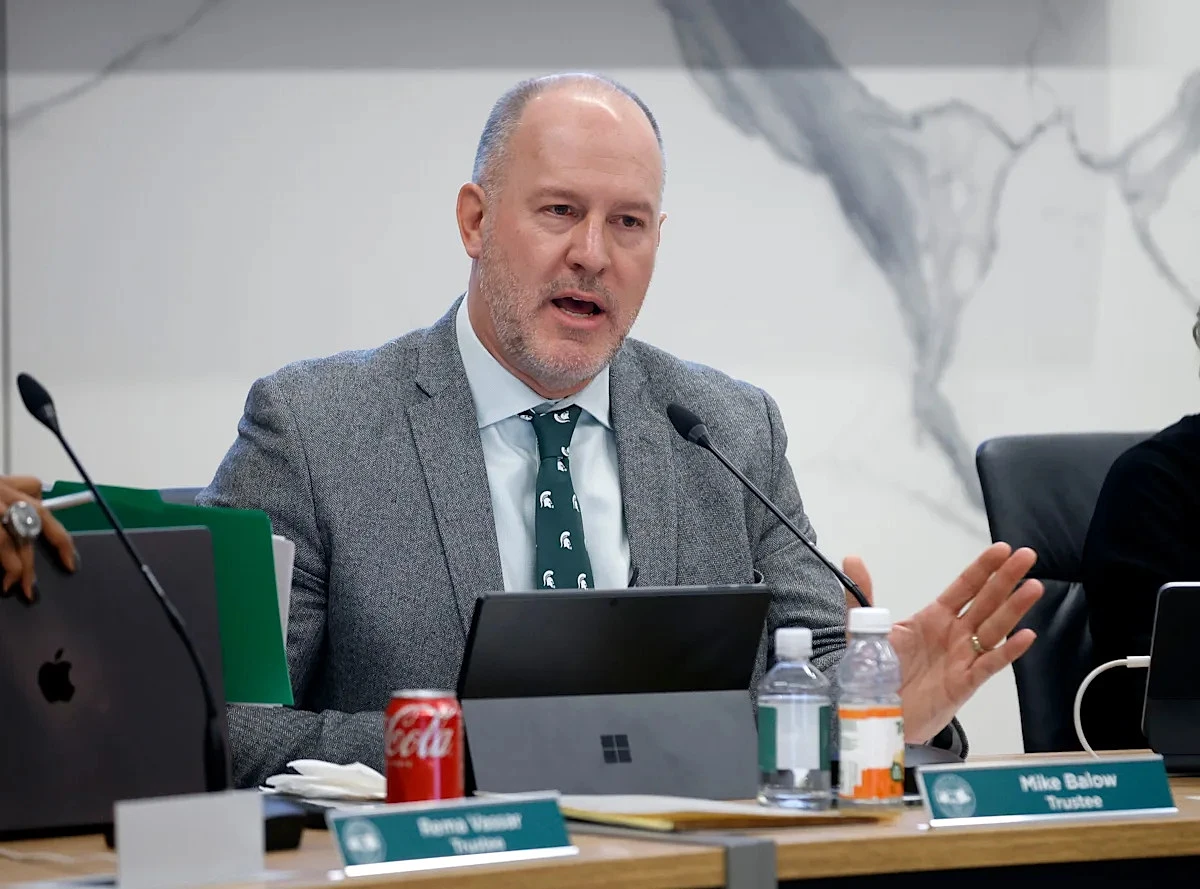
Trustee Mike Balow is sounding the alarm, warning that mixing wealthy, sports-obsessed donors with a cash-hungry athletic department is a recipe for potential scandal. His concern centers on "Spartan Media Ventures" (SMV), a private company spun off from the university to manage a significant portion of MSU's athletic operations and funding.
Despite the high stakes for Spartan sports, a majority of the MSU Board of Trustees recently voted against Balow's resolution to bring SMV under public scrutiny. The resolution sought to subject the venture to Michigan's Freedom of Information Act (FOIA) and eliminate a requirement that trustees sign a non-disclosure agreement just to see its details. The vote failed 5-3.
"They are willingly covering their eyes and ears," Balow stated, arguing the board is forfeiting its oversight role. He was joined by trustees Dennis Denno and Rema Vassar in pushing for greater transparency.
The core issue is control. While "Spartan Ventures" was approved by the trustees as a university initiative, the administration later created "Spartan Media Ventures" as a separate private company without a board vote. This move effectively places a key part of MSU's athletic future—including a recent $100 million deal selling an 11% stake to boosters—outside the board's direct governance and beyond the reach of public records laws.
For the Spartan faithful who invest their passion and pride in the green and white, this situation creates uncertainty. The financial engines that drive recruiting and NIL collectives are now operating behind a veil, with the very board tasked with stewardship choosing not to look inside. As the arms race in college sports intensifies, the question of how these crucial deals are made becomes as important as the wins and losses on the field.