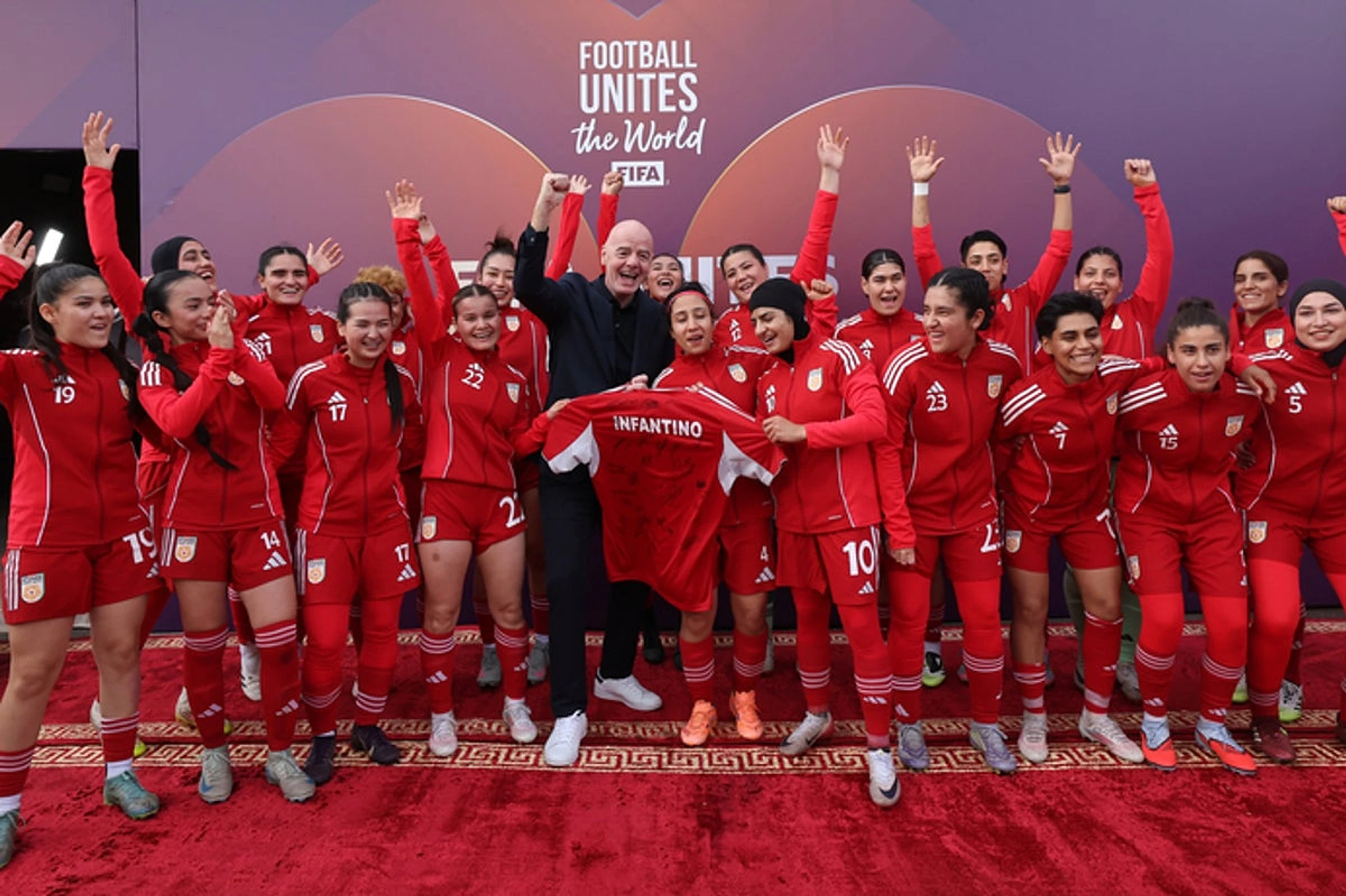
In a moment that transcended borders and politics, the captain of Afghanistan's women's national football team received a video call that would change everything. Fatima Haidari was at home in Italy when FIFA President Gianni Infantino appeared on her screen, flanked by her teammates scattered across continents. The news was historic: FIFA would formally recognize the exiled Afghan women's team, allowing them to compete internationally under the flag of the Afghan republic.
"When he told us, we were all crying from afar," recalls Haidari, the 24-year-old captain of Afghan Women United. The announcement, made on April 29, marked a watershed moment for a team that has been fighting for recognition since fleeing their homeland nearly five years ago. FIFA amended its regulations to allow the formation of this new national team, despite objections from the Taliban regime in Kabul.
For Haidari, this victory is deeply personal. Growing up in conservative Herat, she remembers a time when playing football felt like a revolutionary act. "It's not just news," she says. "We've made history."
Her journey began in 2013, when a 12-year-old Haidari spotted girls playing with a ball on the streets. "It was the first time for me to see that, because in Afghanistan you are not used to it," she explains. "It is not that you go out of your house and with guys, you just play. I mean, it is not normal."
She approached them with a simple question: "Can I join you? Can I play with you?" What followed was a dream-like sequence. Her father, instead of dismissing her request, took her hand and said, "Let's go and see." That ordinary moment in most parts of the world was extraordinary in Afghanistan, where girls playing sports was—and remains—a radical act of defiance.
This recognition from FIFA isn't just about football; it's about visibility. As Haidari puts it, "showing we exist." For a team that represents a nation they can no longer call home, this is a powerful statement that their spirit, their love for the game, and their identity cannot be erased. The Afghan Women United now have a platform to compete, to inspire, and to remind the world that the beautiful game belongs to everyone.