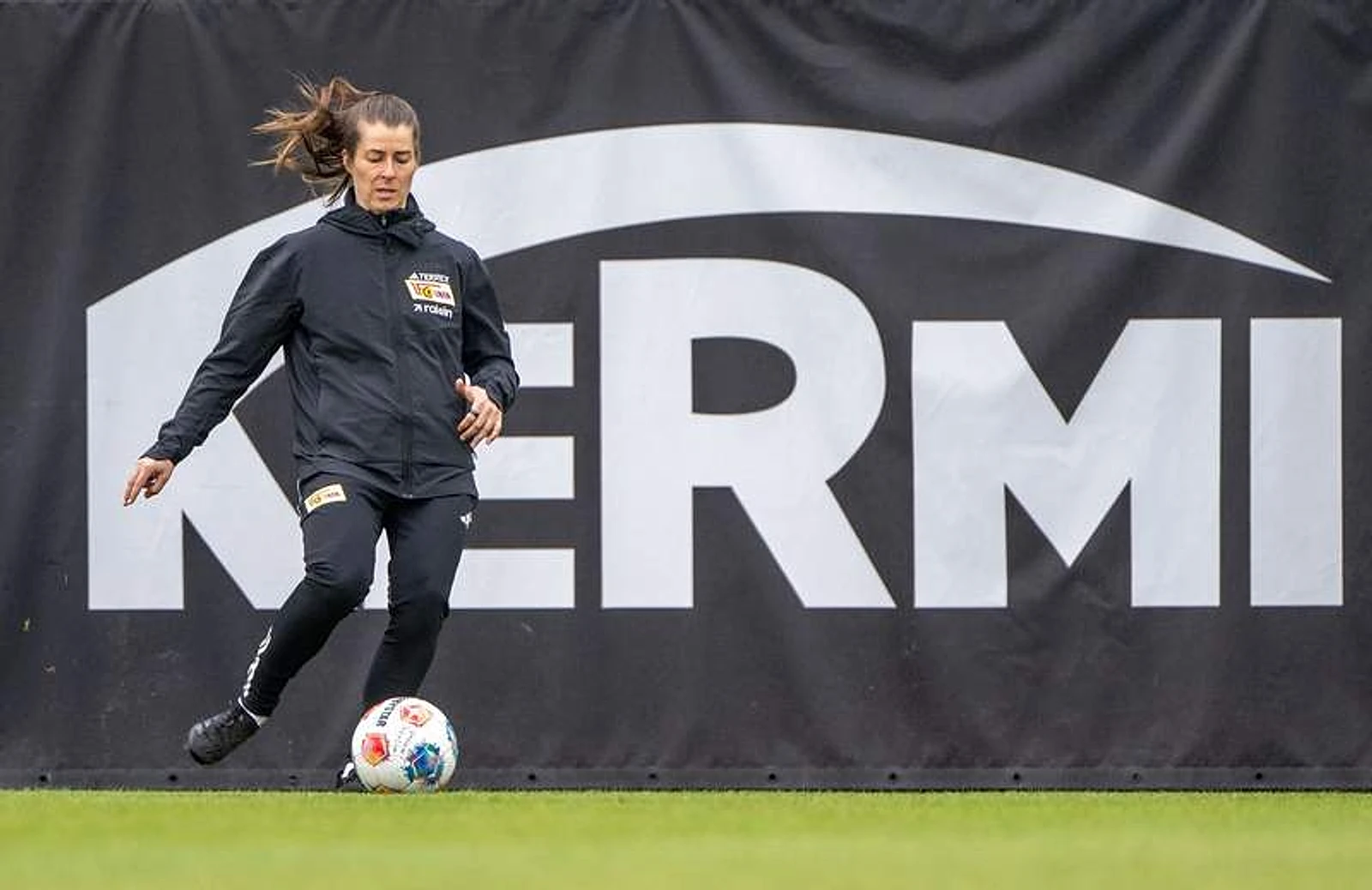
The appointment of Marie-Louise Eta as an assistant coach at Union Berlin is a landmark moment for German football, marking the first time a woman will coach in the men's Bundesliga. Eintracht Braunschweig president Nicole Kumpis, herself a trailblazer as the first female president of a 2. Bundesliga club, celebrated the news but emphasized it shouldn't be seen as an exception.
In an interview, Kumpis expressed her happiness for Eta while pointing to a larger systemic issue. "We are not where we should be," she stated, arguing that such appointments should be commonplace by now. She identified the core problem not as a lack of qualified women, but as a shortage of structural opportunities within the sport's existing frameworks.
This spotlight on coaching pathways comes as the German Football Association (DFB) continues an initiative launched in 2021 to increase female involvement. While progress is visible—six of the 14 women's Bundesliga teams are led by female coaches—the numbers at the very top remain sparse. Only two of the 50 professionals who earned the elite DFB pro licence in the past two years were women.
Nevertheless, the DFB highlights that, in a European context, Germany leads in training female coaches at this level, with 31 women holding the pro licence. The hope is that pioneers like Eta and Kumpis will inspire more women to pursue careers on the coaching bench and in executive roles, gradually transforming the landscape of the professional game.