Heading into the 2026 fantasy baseball season, the buzz around the catcher position was impossible to ignore. Analysts far and wide, including our own Fred Zinkie, heralded it as a potential golden era for backstop production, promising an unprecedented depth of talent for managers in one-catcher leagues. The hype train had officially left the station.
Now, with the season underway, the reality check has arrived. While it's still early, the overall numbers tell a story of unmet expectations. The collective .703 OPS from catchers is a mere six points higher than last year's mark, placing 2026 firmly in the realm of an average campaign for the position so far this century. The anticipated offensive explosion has been more of a slow burn, though warmer weather and the inevitable grind on pitching staffs could still see these catchers turn the hype into production.
Despite the lukewarm collective stats, opportunity abounds for savvy fantasy managers. Intriguingly, half of the current top-12 catchers remain available on waivers in most Yahoo leagues. This disconnect between performance and availability is where championships can be won. To navigate these waters, let's dive into some key Statcast data to separate the early-season mirages from the coming breakouts.
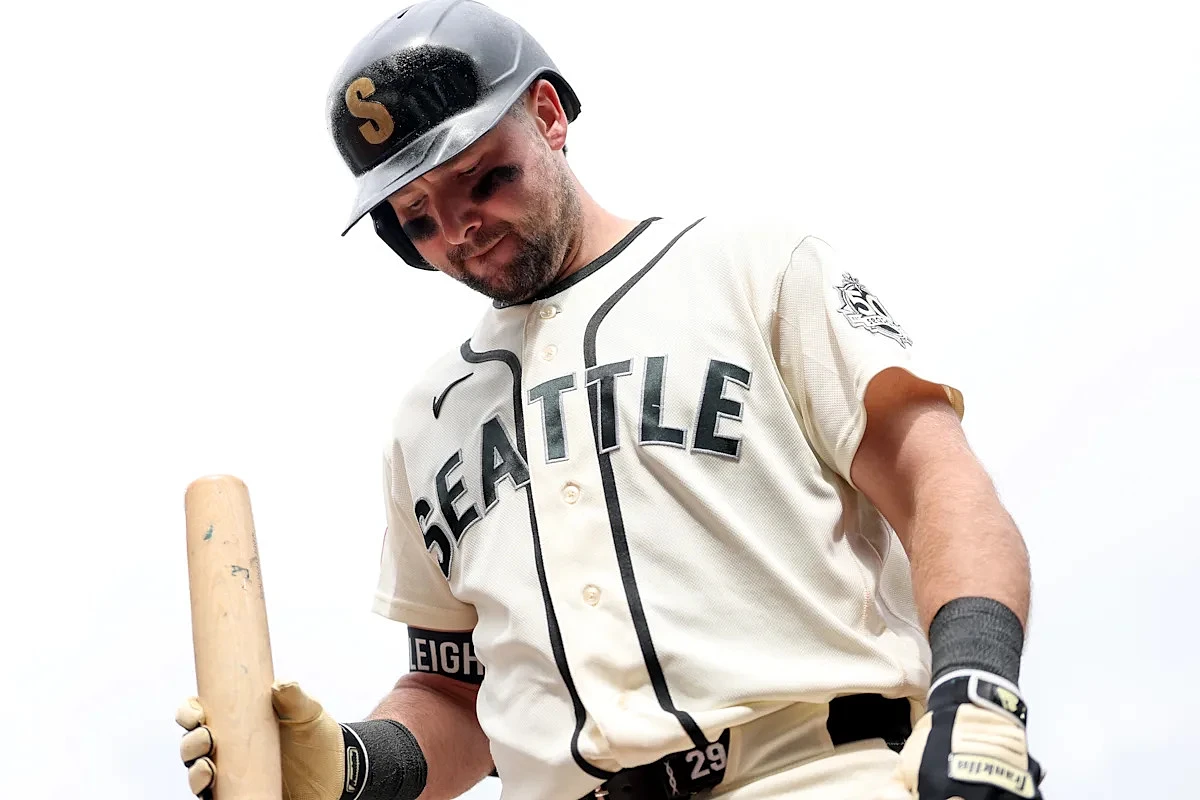
First, the cautionary tale: Seattle's Cal Raleigh. Drafting the former 60-homer threat in the second round has been a brutal experience thus far. Mired in a profound slump, Raleigh is batting a paltry .154 with just two homers. The underlying metrics offer little solace, with a .193 expected batting average and a .391 expected slugging percentage. An alarming 32.4% strikeout rate and soft contact (83.9 mph average exit velocity) paint the picture of a hitter badly out of sync. The trade market reflects this, with managers frequently dealing him for other top-five catchers—a move that seems fair given the circumstances. Patience is a virtue here, but pivoting to options like Shea Langeliers, William Contreras, or Ben Rice is completely understandable.
On the flip side, we find a potential buy-low candidate in St. Louis's Ivan Herrera. His surface stats may look underwhelming, but his Statcast page tells a different, more promising story. While his average exit velocity (89.0 mph) isn't eye-popping, nearly every other metric is glowing. Herrera is displaying elite plate discipline with excellent walk and strikeout rates, and his .293 expected batting average suggests the hits will start falling soon. For fantasy managers looking for a catcher with a high floor and room to grow, Herrera represents a prime target before his production catches up to his underlying talent.