

Formula 1 is already tweaking its new 2026 regulations after the first few races of the season. The changes were agreed on by the FIA, teams, and engine manufacturers, and are expected to roll out starting at the Miami Grand Prix (May 1-3, 2026).
Most of the adjustments are aimed at improving how the cars perform on track-particularly when it comes to energy management. In qualifying, the FIA is dialing back how much energy can be harvested while increasing peak deployment power. Race conditions are also being tweaked to address safety and consistency.
For the FIA, the changes reflect an ongoing effort to fine-tune the 2026 rule set in real time-balancing performance, safety, and driver workload as the sport adapts to a new technical era.
Here's a primer on what you need to know about the new changes:
Less energy harvesting allowed (reduced from 8MJ to 7MJ
More peak power available (up from 250 kW to 350 kW)
Result: less time managing systems, more time pushing
In qualifying, the FIA is dialing back how much energy can be harvested while increasing peak deployment power. The goal is to reduce the amount of time drivers spend managing systems and instead encourage more flat-out laps. These same changes will carry over into race conditions, where the balance between performance and efficiency has become a growing concern under the new rules.
Boost power now capped to reduce sudden speed differences
Limits are being placed on boost power to avoid sudden spikes in performance, while energy deployment will now vary depending on where the car is on the circuit. This is meant to control closing speeds without eliminating overtaking opportunities, something the FIA has been trying to preserve as the cars evolve.
Car gets extra power if needed to avoid dangerous situations
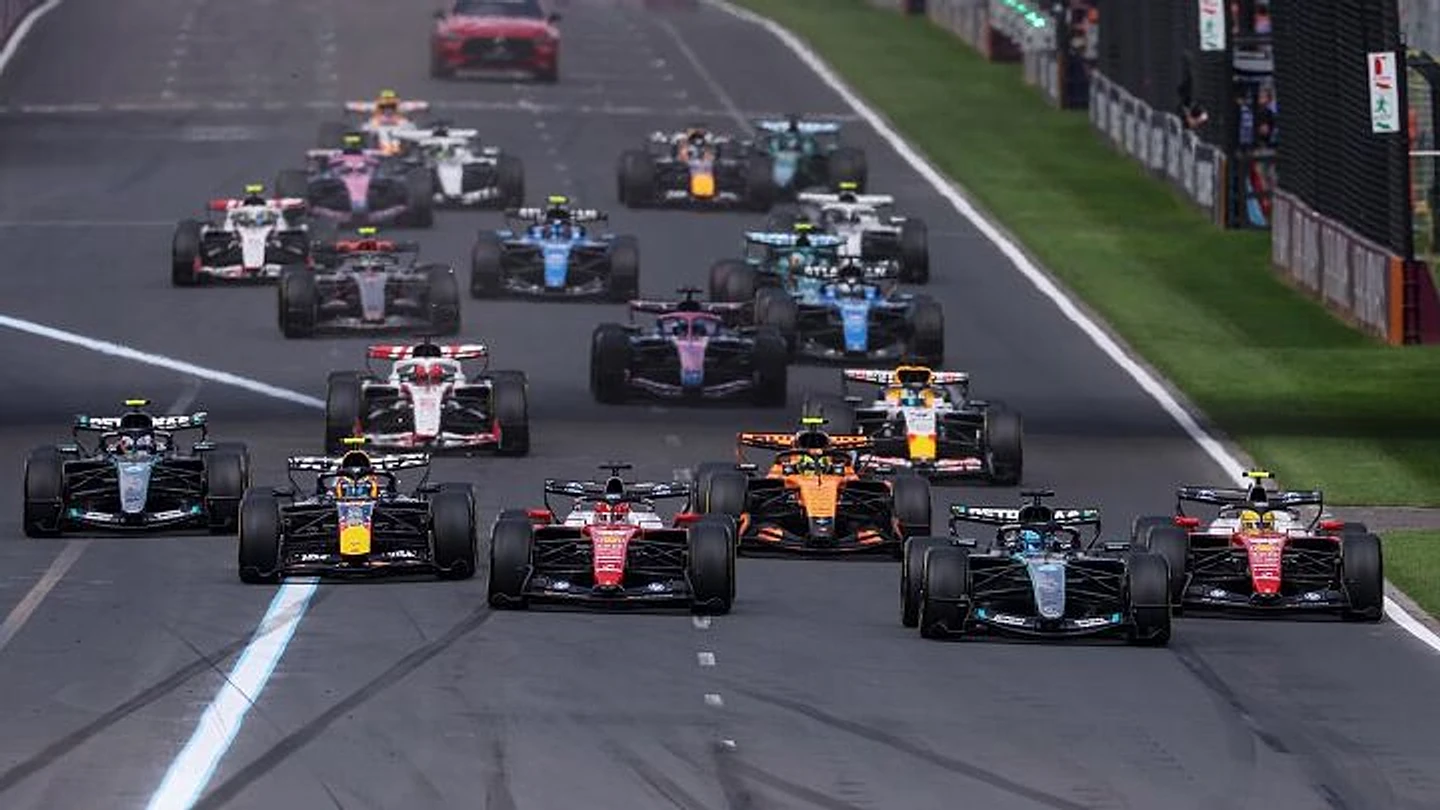
A new system is being tested that can detect when a car launches too slowly and automatically intervene by deploying additional electric power. The idea is to prevent dangerous situations at the start without giving any competitive advantage. Visual warning lights will also be added to alert other drivers if a car is struggling to get up to speed.
Wet-weather performance has also been addressed. Tire blanket temperatures for intermediate tires are being increased to help drivers find grip more quickly, while energy deployment will be reduced to make the cars easier to control in low-traction conditions. Rear lighting has been simplified as well, improving visibility in poor weather.
This article was co-written using AI and was then heavily edited and optimized by our editorial team.
Become an AutoGuide insider. Get the latest from the automotive world first by subscribing to our newsletter here.