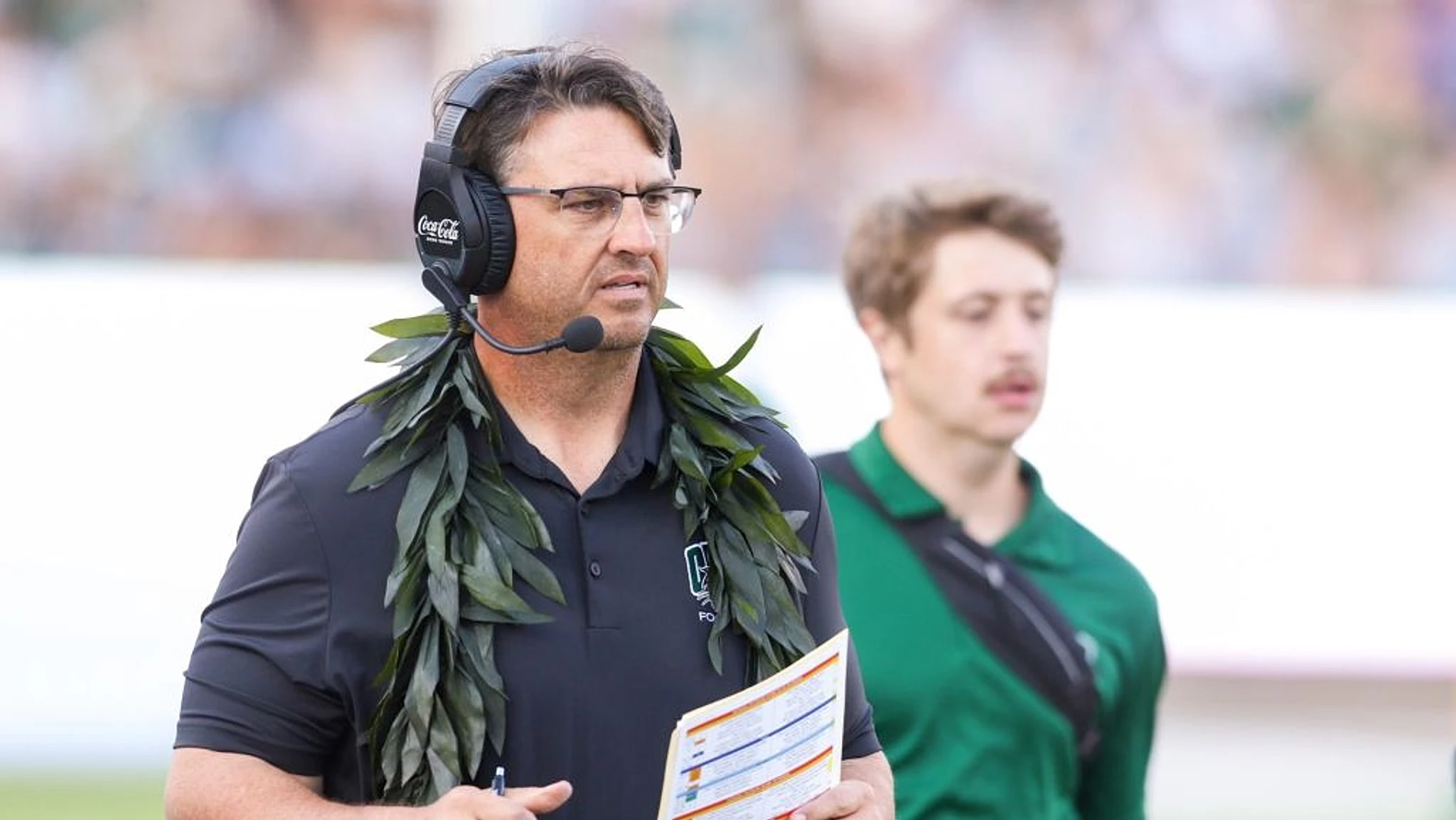
Former Ohio University football coach Brian Smith, who was fired last year following revelations of a romantic relationship with an undergraduate student, is now suing the school for wrongful termination. The lawsuit, filed Friday in Ohio's Court of Claims, alleges the university rushed to judgment and failed to honor its contractual obligations.
Smith's tenure as head coach was brief but eventful. After leading the Bobcats to an impressive 8–4 season and a bowl game berth, the university placed him on administrative leave on December 1 without providing a public explanation. Just over two weeks later, on December 17, Ohio University announced his termination for cause, citing "serious professional misconduct" and activities that "reflect unfavorably on the University."
The following day, the school released records detailing its allegations: an extramarital affair with an undergraduate student, a romantic encounter at the campus inn witnessed by a player's parent, drinking alcohol in his office, and appearing intoxicated in public while smelling "strongly of alcohol."
But Smith's attorney, Rex Elliott, has pushed back forcefully. He maintains Smith was never intoxicated at a school event and that the office drinking involved toasting victories with bourbon—provided by the university president's husband. Elliott also pointed out that other staff members drank in their offices without consequence. As for the relationship, the attorney noted that Smith was living at the campus inn during his divorce proceedings, and his ex-wife "didn't accuse him of engaging in an extramarital affair." The divorce was finalized in December. Furthermore, school rules did not explicitly prohibit consensual relationships between coaches and undergraduate students.
Despite these defenses, Ohio University stood firm, stating it had "ample cause" for termination. Smith's 29-page lawsuit now argues the school acted "knowing that the allegations were disputed and unproven," effectively prioritizing public perception over due process.
This case serves as a stark reminder of the high-stakes world of college athletics, where personal conduct and institutional reputation are constantly under scrutiny. For fans and followers of the game, it's a story about accountability, fairness, and the complex rules that govern those who lead our teams.