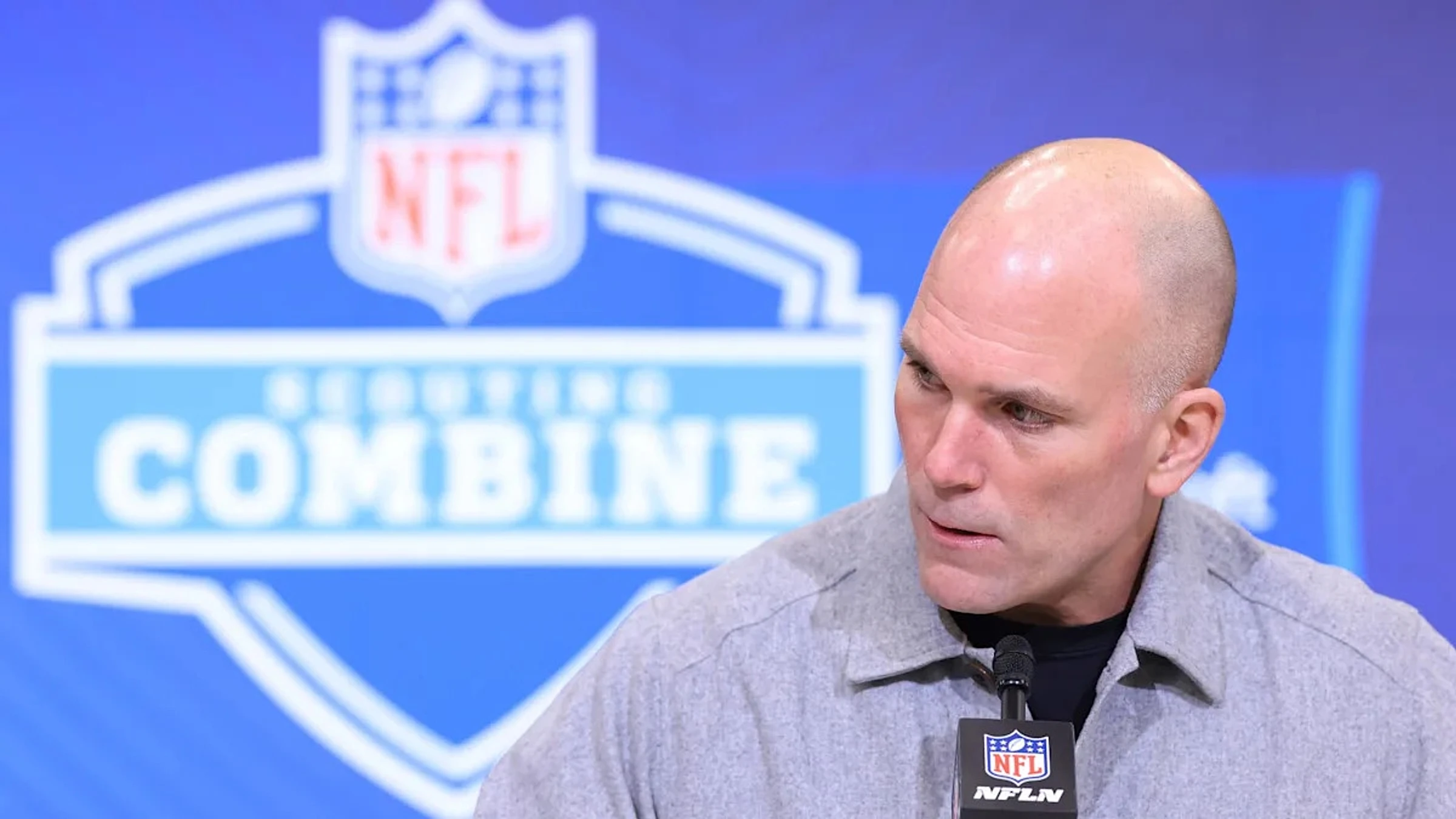
The NFL draft landscape is undergoing a significant shift, and Baltimore Ravens General Manager Eric DeCosta is sounding the alarm. For years, the league's talent pipeline was built on 21 and 22-year-old stars declaring early, but a new era of Name, Image, and Likeness (NIL) deals is changing the calculus for teams and players alike.
DeCosta, a veteran executive with three decades in the Ravens' front office, has observed a clear trend: players are entering the draft older than ever before. "We're seeing more 24 and 25-year-old players," DeCosta noted. "That's because of covid initially, and now because of NIL, guys are getting paid to stay in."
While this financial empowerment is a win for college athletes, it presents a new challenge for NFL talent evaluators. DeCosta's primary concern is player development and longevity. "That's problematic for us because if guys are coming in older they've probably got less upside," he explained. The logic is straightforward—an older rookie has less physical "prime" to offer an NFL team, potentially turning what was once a three-contract player into a two-contract player.
The data backs up his observation. DeCosta revealed that prior to 2024, only about 4% of the players on the Ravens' draft board were 24-and-a-half or older. That number has now skyrocketed to 18%, a 14% increase that is forcing a strategic rethink. "Historically we've tried to draft younger players when we can... But now we've got 18 percent of the draft board that's over 24 years old. So that's going to change the way we target players."
This shift represents a fundamental change in the football ecosystem. College players are now professionals in every sense, making strategic career decisions with financial security in mind. For NFL teams, it means adjusting scouting priorities, re-evaluating what "upside" means, and potentially placing a higher value on proven, mature talent over raw, youthful potential. The game, from the campus to the combine, is evolving right before our eyes.