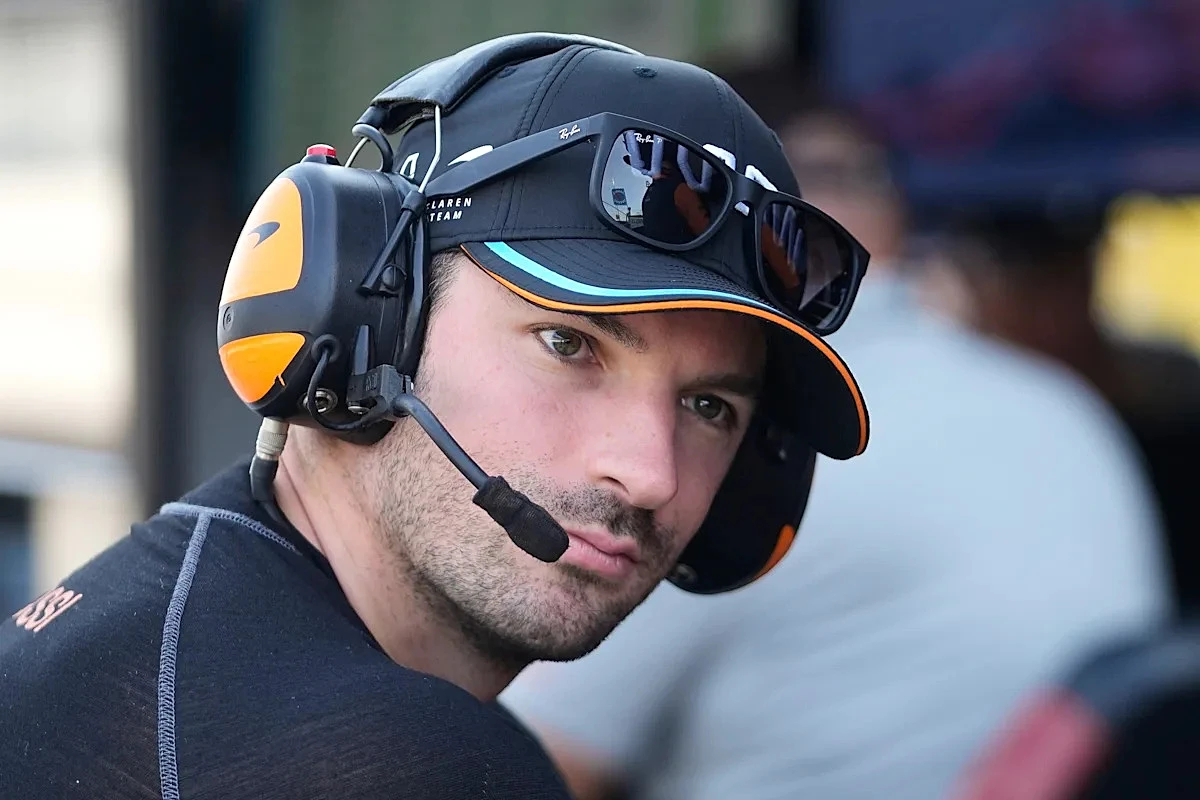
IndyCar officials have announced a significant rule change following a controversial incident at the Indianapolis Grand Prix that left drivers and fans demanding answers. Starting immediately, race control will no longer factor in running order or pit windows when deciding whether to deploy a full-course caution flag.
The decision, confirmed Tuesday, marks the second rule adjustment since the series arrived in Indianapolis for its May residency. However, this particular change won't impact the crown jewel of the month—the Indianapolis 500 on May 24—as oval tracks don't utilize local yellows.
The shift comes on the heels of an explosive moment during Saturday's Grand Prix, when 2016 Indianapolis 500 champion Alexander Rossi found himself stranded on the front straightaway. His No. 20 car stalled on Lap 21, positioned dangerously close to a concrete wall but outside the standard racing line. Rossi, visibly frustrated, eventually exited the vehicle and climbed over the wall separating pit lane from the track, walking directly to his pit stall.
Race officials initially responded with a local yellow to alert oncoming drivers, but didn't throw a full-course caution until Lap 22—a delay that didn't sit well with the former winner. The decision to hold off, IndyCar officials explained, was based on a standard set of considerations that will now be streamlined. Moving forward, only safety factors will trigger the escalation from local to full-course yellow.
"The Lap 21 incident on Saturday made clear there needs to be a cleaner standard for how race control moves from a local to a full course yellow," said Raj Nair, chairman of the series' Independent Officiating Board. "IndyCar Officiating, with IndyCar's full support, has made this change of approach to ensure that the only inputs to the full course yellow escalation are safety ones."
The announcement came just hours before Rossi and 32 other drivers hit the track for Indianapolis 500 practice, adding urgency to the conversation. IndyCar President Doug Boles emphasized the series' core mission: "The most important job in race control is to ensure the safety of our drivers, crews, safety workers and fans. Saturday highlighted that we must not waver from that central mission and aligning everyone on that philosophy was critical to discuss."