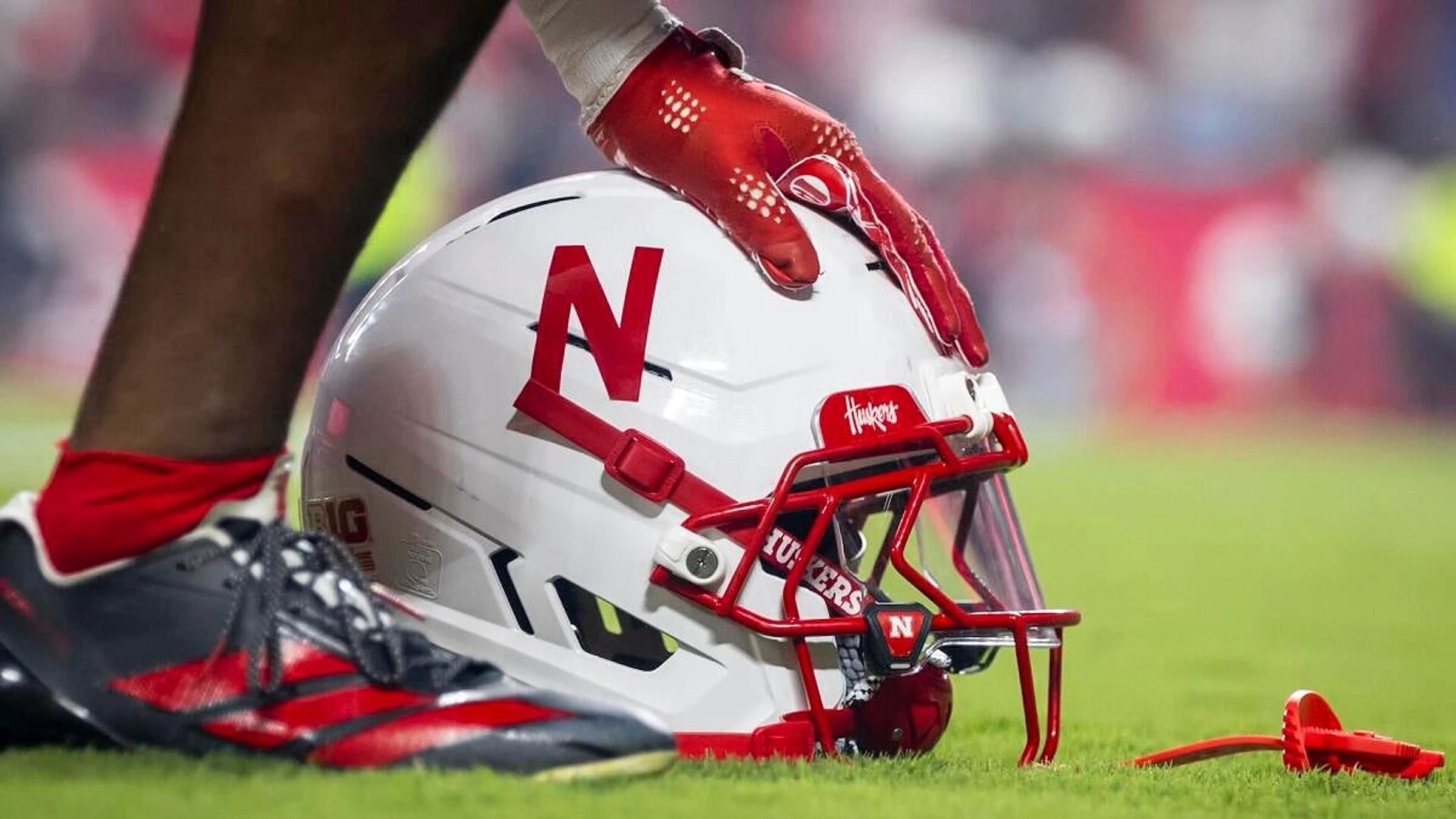
The College Sports Commission (CSC) notched a significant victory Monday in the first binding arbitration test of its enforcement powers, but the real battle may be just warming up in a California courtroom.
A neutral arbitrator upheld the CSC's rejection of Name, Image, and Likeness (NIL) deals between Nebraska football players and Playfly Sports, affirming the commission's authority to classify the school's multimedia rights partner as an "associated entity" under the terms of the House v. NCAA settlement. The disputed contracts, worth more than $1 million combined, are prohibited under CSC rules. This ruling sends a clear signal: the new enforcement system is prepared to draw lines in the sand when it comes to how student-athletes can get paid.
But don't expect this to be the final word. Jeffrey Kessler, lead counsel for the plaintiffs in the House case, made it clear that this arbitration decision doesn't settle the broader fight over the CSC's reach. In a separate court hearing tied to the House settlement, scheduled for later this month, Kessler will argue that multimedia rights companies should not be classified as associated entities at all. That motion, set for review on May 27 in the Northern District of California, could fundamentally reshape the enforcement landscape.
"This is just one deal decided by one arbitrator," Kessler said. "Broader issues will be decided by the court."
Bryan Seeley, CEO of the CSC, framed Monday's ruling as proof that the system is working as intended. "This case was never about whether these student-athletes can get paid," Seeley explained. "It was about whether they can get paid in this way, and our determination was they could not get paid in this way, and the arbitrator agreed with us on that."
For sports fans and apparel enthusiasts alike, this is more than just legal jargon—it's about how the next generation of athletes will build their brands. If the CSC's authority stands, it could mean more standardized rules for NIL deals across college sports. But if Kessler succeeds in court, we could see a free-for-all where schools and players find creative new ways to partner with multimedia companies.
Monday's ruling gives the CSC a much-needed win after months of schools and players testing the boundaries of the new rules. But with a crucial court date looming, the biggest plays may still be ahead.