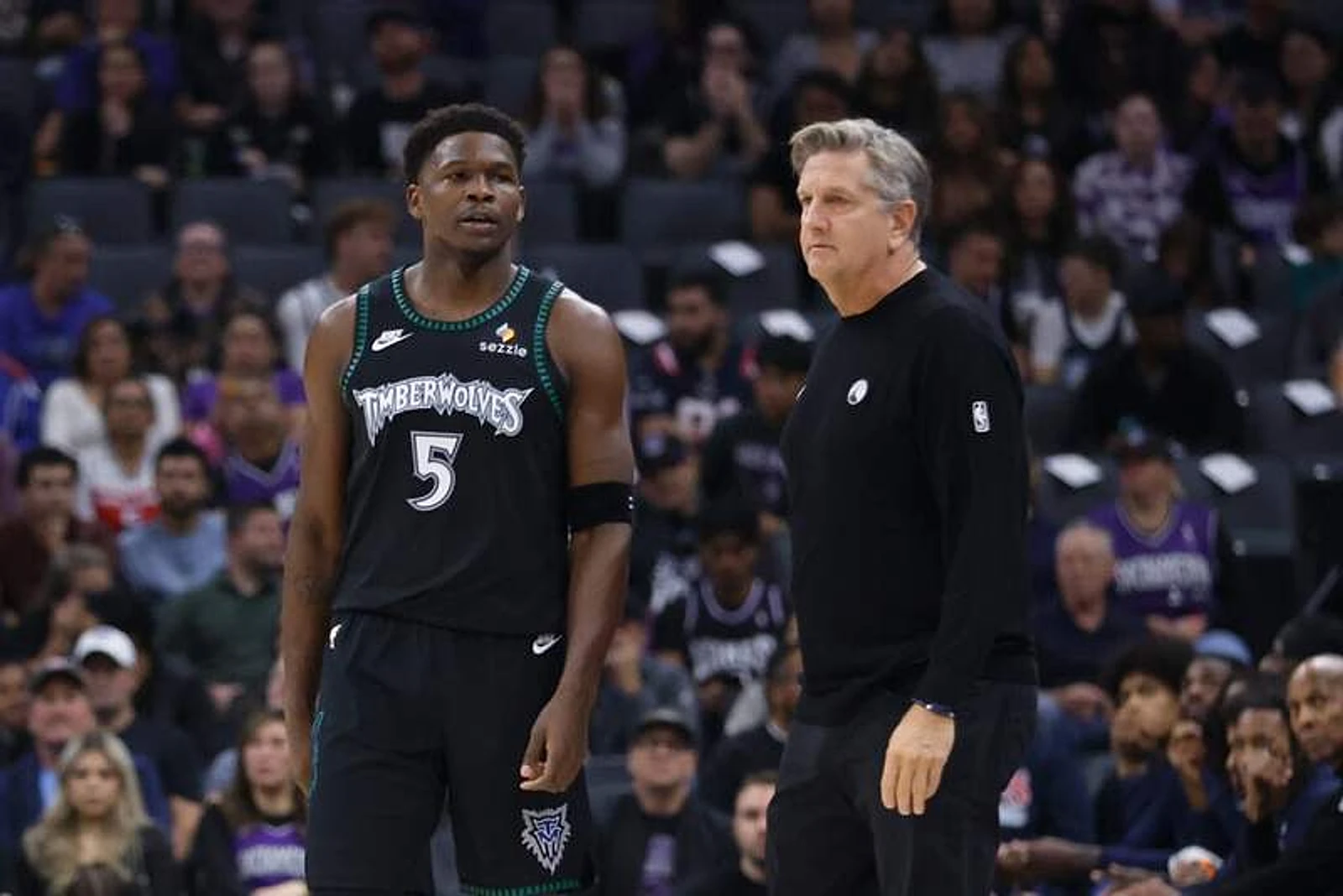
Minnesota Timberwolves head coach Chris Finch has launched a pointed critique of the NBA's awards eligibility criteria, expressing clear frustration after his star guard, Anthony Edwards, was ruled ineligible for end-of-season honors. The decision, which hinged on Edwards falling just short of the league's 65-game threshold, has ignited a debate about consistency, especially as other stars like Cade Cunningham and Luka Doncic successfully navigated the "extraordinary circumstances" appeals process.
Finch's core argument isn't about the talent or worthiness of other players. Instead, he's spotlighting what he perceives as an inconsistent application of the rules. "It sure would be nice to hear an explanation," Finch stated, emphasizing Edwards' ironman reputation. "He plays all the time and has played all the time... I'm not sure why we have a rule if we have an appeals process that is overturned in two-thirds of the cases."
The contrast is stark and forms the heart of the controversy. Cunningham was granted eligibility after a season interrupted by a serious health scare—a collapsed lung. Doncic was approved after missing a single game above the limit, citing time spent around the birth of his child. Edwards, a cornerstone for a Timberwolves team with championship aspirations, was denied despite a similarly compelling case for his limited absences.
This situation transcends Minnesota's locker room, touching on a league-wide issue of fairness and transparency in award voting. For fans and players alike, clear and consistent standards are paramount. When exceptions are made, every denial requires a robust explanation to maintain the integrity of the process. Finch's comments, while respectful of his peers, underscore a growing sentiment that the current system may need refinement to match the unpredictable nature of an 82-game NBA season.