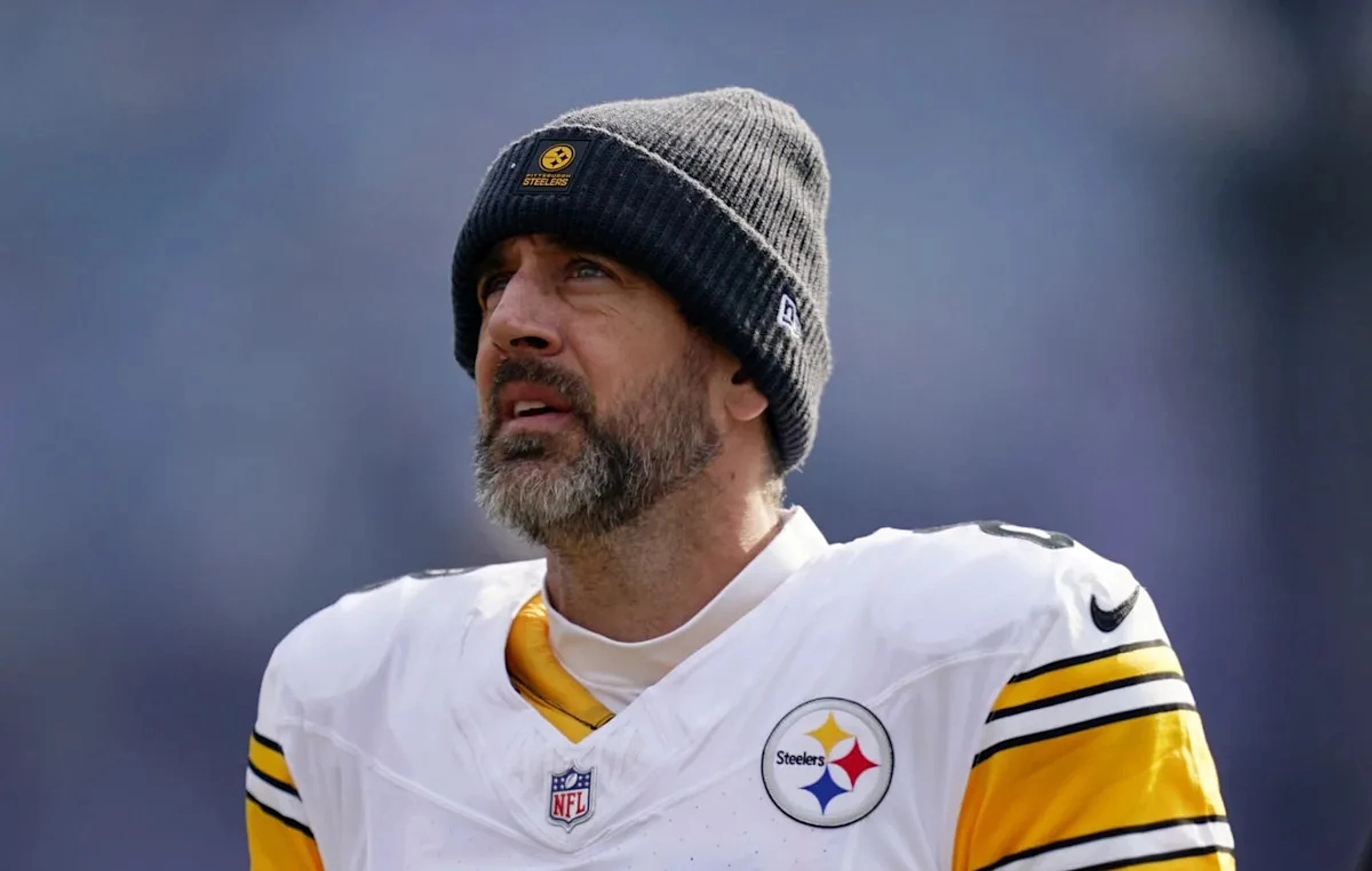
The Pittsburgh Steelers are reportedly set to bring back Aaron Rodgers for another season, with the 42-year-old quarterback expected to return to the team in 2026. While the move might generate headlines, it raises a critical question: can the Steelers truly move forward by going back to a veteran nearing the end of his career?
For a franchise with a proud history, this decision feels like a familiar trap. The best-case scenario for Pittsburgh is a playoff berth, perhaps even a single postseason win, before being overpowered by a stronger opponent. The worst-case scenario? Finishing at the bottom of the AFC North. Neither outcome screams progress.
Optimists will point to Rodgers' late-game heroics, like his touchdown pass to Calvin Austin that clinched a playoff spot. But pessimists will note that the Steelers needed a missed field goal by the Baltimore Ravens to even get there. Once in the playoffs, Rodgers' performance against the Houston Texans was among the worst in recent postseason history—a stark reminder that age catches up with even the greatest quarterbacks.
Tom Brady was the exception, not the rule. Most quarterbacks in their 40s see their skills diminish. At his peak, Rodgers was a dual-threat MVP with the Green Bay Packers, using his arm and legs to keep defenses guessing. Now, he plays cautiously, relying on short passes and avoiding risks downfield. That style might keep games close, but it rarely wins championships.
Adding to the intrigue, Rodgers will reunite with his former Green Bay coach, Mike McCarthy, whom the Steelers hired in a curious move. The pairing might make sense if Rodgers were younger, but expecting magic from a 42-year-old and a head coach with mixed recent results feels like a Disney fantasy. The more realistic outcome is that the 2026 Steelers look a lot like the 2025 Steelers—stuck in mediocrity, unable to break free from the cycle.
For fans hoping to see the Steelers return to glory, this move feels like a step sideways. Rodgers can still deliver moments of brilliance, but relying on him to lead a resurgence is a gamble that history suggests won't pay off. The Steelers need to think long-term, not just about next season, but about building a team that can compete for years to come.