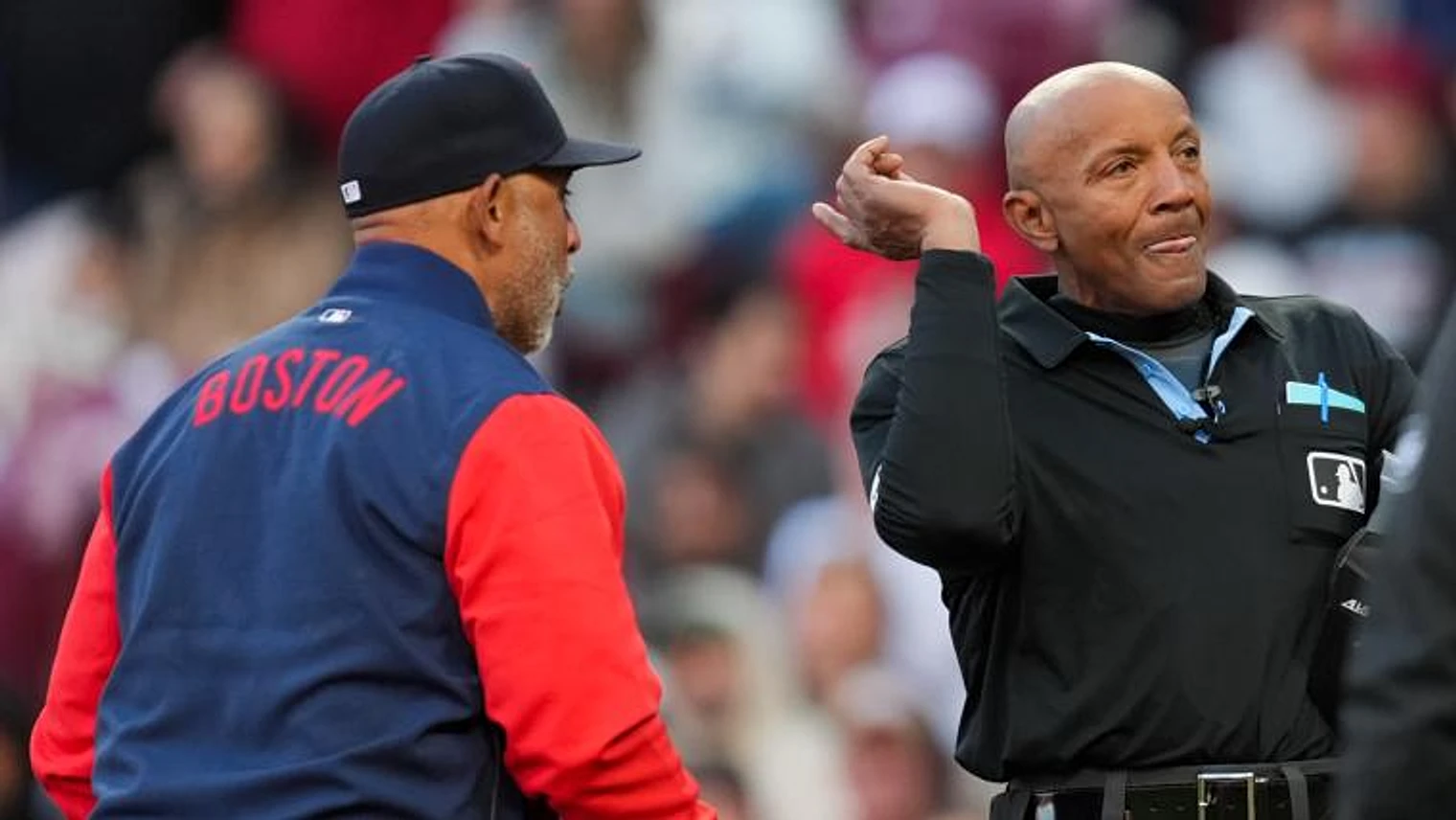
Buster Olney, one of ESPN's top MLB analysts, has sparked a heated debate by pointing to a surprising culprit behind the Boston Red Sox's early-season offensive woes: a new rule restricting base coaches from leaving their boxes.
In a viral post to his 1.3 million followers on X, Olney suggested that the Red Sox—once praised by rival front offices for their uncanny ability to read pitchers' grips and relay pitch types to hitters—have lost that edge. "One of the interesting theories about the struggling Red Sox offense in rival front offices is that Boston has been impacted significantly by the enforcement of the coaching boxes," Olney wrote. "The Red Sox were regarded by some other teams as being extraordinary at ascertaining grips/relaying pitch types to hitters—and that advantage is now gone."
The accusation revives old critiques of manager Alex Cora's past sign-stealing controversies, but Olney frames this as a matter of "sign-relaying" rather than outright cheating. While the rule change aims to tighten on-field conduct, Olney argues it's hitting Boston especially hard.
At first glance, losing a competitive advantage—even a subtle one—could explain a dip in performance. But the Red Sox's struggles go far deeper than a few stolen pitches per game. A team that made the playoffs last season now sits near the bottom of the league in home runs and slugging percentage, looking more like a last-place club than a contender. To blame that collapse on the absence of a base coach's ability to step out of a box feels like a stretch.
The connection just doesn't hold up. Correlation doesn't equal causation, and Olney's theory, while intriguing, may be more about sparking conversation than solving Boston's real problems. For now, the Red Sox need to find answers in the batter's box—not just in the coaching boxes.