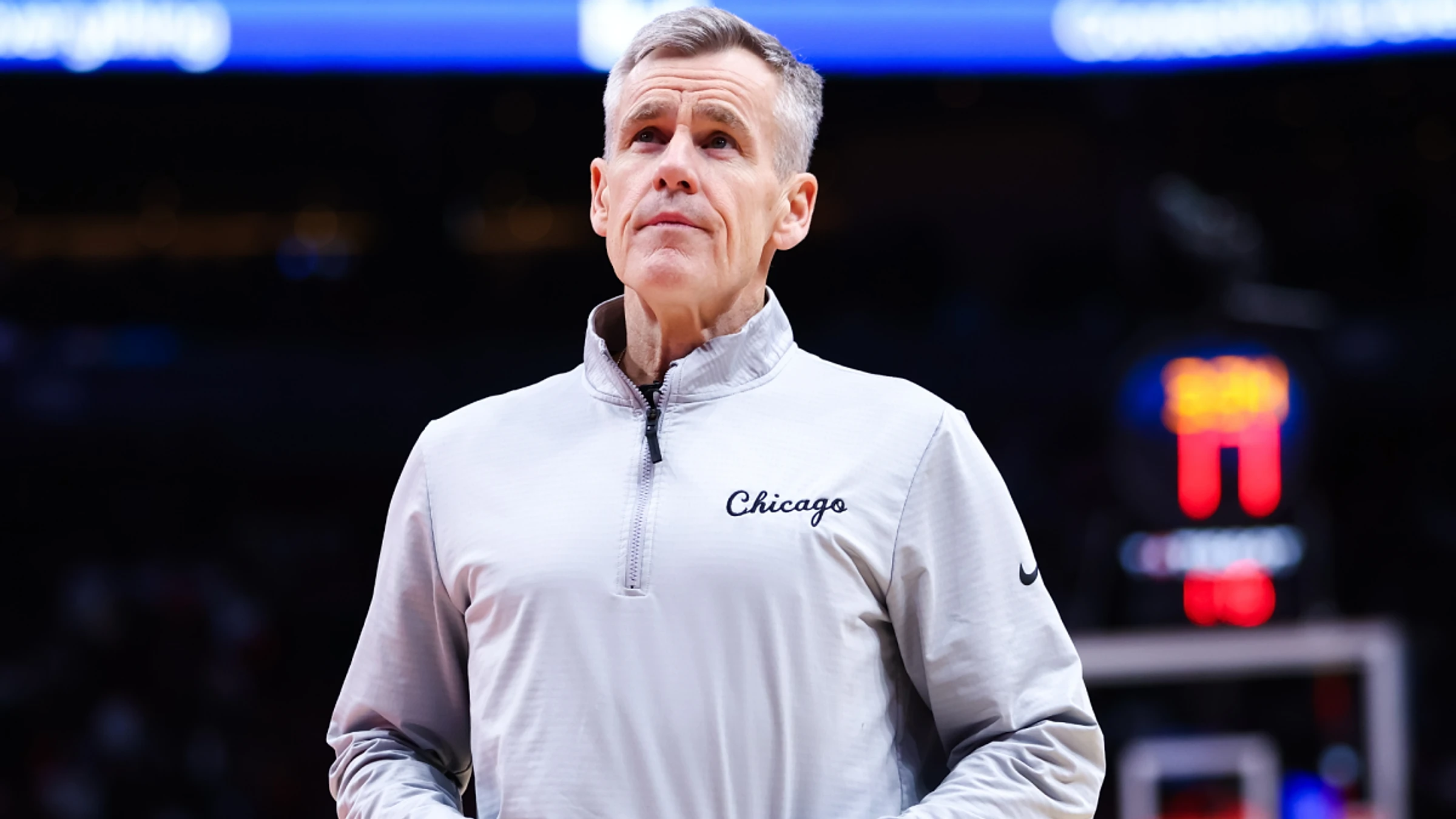
The Chicago Bulls are entering a pivotal offseason after parting ways with top executives Arturas Karnisovas and Marc Eversley. The search for a new general manager is now underway for a franchise that, on paper, offers an attractive opportunity: potential dual first-round picks, significant cap space, and the iconic legacy of the Michael Jordan era in the NBA's third-largest market.
However, a significant condition has been placed on this otherwise appealing vacancy. Bulls CEO Michael Reinsdorf has publicly stated that the organization is committed to retaining head coach Billy Donovan, framing it as a non-negotiable for candidates. "If I interview someone and they're not sold on Billy... they're probably not the right candidate for us," Reinsdorf emphasized, highlighting Donovan's Hall of Fame-caliber resume from college championships to deep playoff runs with Oklahoma City.
This approach raises a critical strategic question familiar across professional sports: should a new GM inherit a coach or have the autonomy to hire their own? The Bulls aren't alone in this dilemma; reports suggest the Dallas Mavericks are seeking a high-profile GM while also intending to keep head coach Jason Kidd in place.
For fans and analysts, this creates immediate concerns. By pre-selecting the head coach, are these organizations inadvertently limiting their pool of top executive talent? The most successful franchises in the NBA often operate under a clear, unified vision where the general manager selects a coach who aligns perfectly with their long-term roster strategy and philosophy. History suggests that forcing a marriage between a new executive and an inherited coach can lead to philosophical clashes and misaligned timelines, potentially hindering a team's competitive progress.
As the Bulls look to rebuild their front office, the tension between securing their preferred coach and attracting the best possible executive talent will be a defining storyline of their offseason. The decision will signal whether the franchise prioritizes continuity or is willing to empower a new leader to shape the team's future entirely, a choice that could determine their trajectory in the Eastern Conference for years to come.