The Washington Commanders came out of the draft without selecting a single defensive back—a move that raised more than a few eyebrows. But before you jump to conclusions, it wasn't an oversight. It was a deliberate strategy shift.
Here's the stat that tells the whole story: last season, the Commanders averaged 5.1 seconds from snap to tackle, the third-slowest mark in the entire NFL, trailing only the Bengals and Cowboys. That sluggishness showed up on tape week after week—opposing quarterbacks extending plays, receivers finding open space, and too much grass between first contact and the whistle.
The solution wasn't about adding another cornerback or safety. It was about changing the entire philosophy. Under first-time defensive coordinator Daronte Jones, Washington chose to attack the root cause: a pass rush that needed to be faster, more aggressive, and more disruptive. When you shorten coverage time, you simplify reads and reduce exposure on the back end. It's football math at its finest.
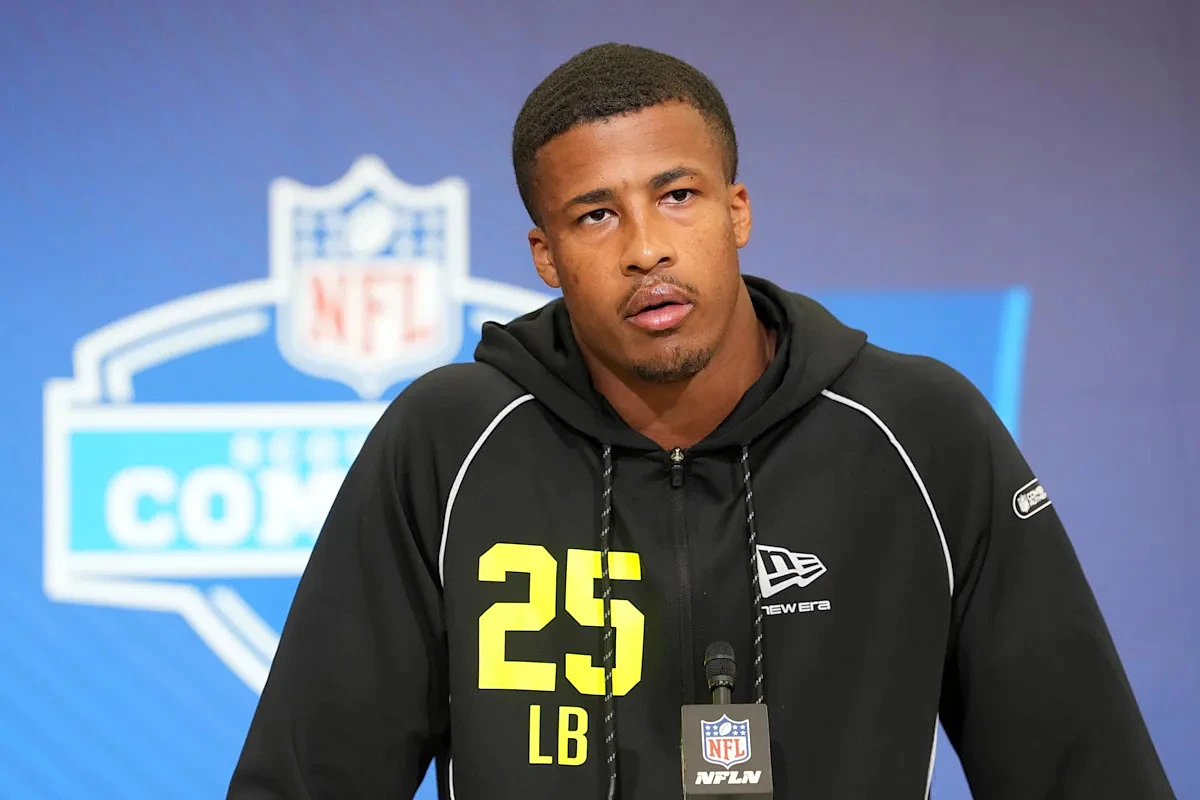
So the Commanders invested heavily in the front seven. They signed edge rushers Odafe Oweh (who ran a blistering 4.36 40-yard dash at the 2021 Combine) and K'Lavon Chaisson to lead the charge, along with Tim Settle to fortify the interior line. At linebacker, newcomers Styles (4.46) and Leo Chenal (4.53) bring sideline-to-sideline range that was sorely missing. These additions complement aggressive holdovers like Dorance Armstrong and Frankie Luvu, plus last season's tackle rotation.
To be clear, the secondary wasn't completely ignored. Depth corners Amik Robertson and Ahkello Witherspoon add experience and versatility behind starters Mike Sainristil and Trey Amos. And when you look at the speed on the back end, it's impressive: Cross (4.34), Robertson (4.45), Amos, Sainristil, and Quan Martin all clock sub-4.5 speed.
In this system, the secondary doesn't need elite individual stars. What it needs is cohesion and communication—and that's exactly what Washington is building. The question isn't whether they'll be better defensively in 2026. The question is whether that improvement will be enough to make them competitive. For now, the Commanders are betting that speed up front will solve problems in the back.