The numbers are in, and they paint a clear picture: the Big Ten is the undisputed powerhouse of college basketball right now. As the NCAA Tournament prepares to expand from 68 to a whopping 76 teams, new financial data reveals exactly why this conference is leading the charge—and it all comes down to NIL spending.
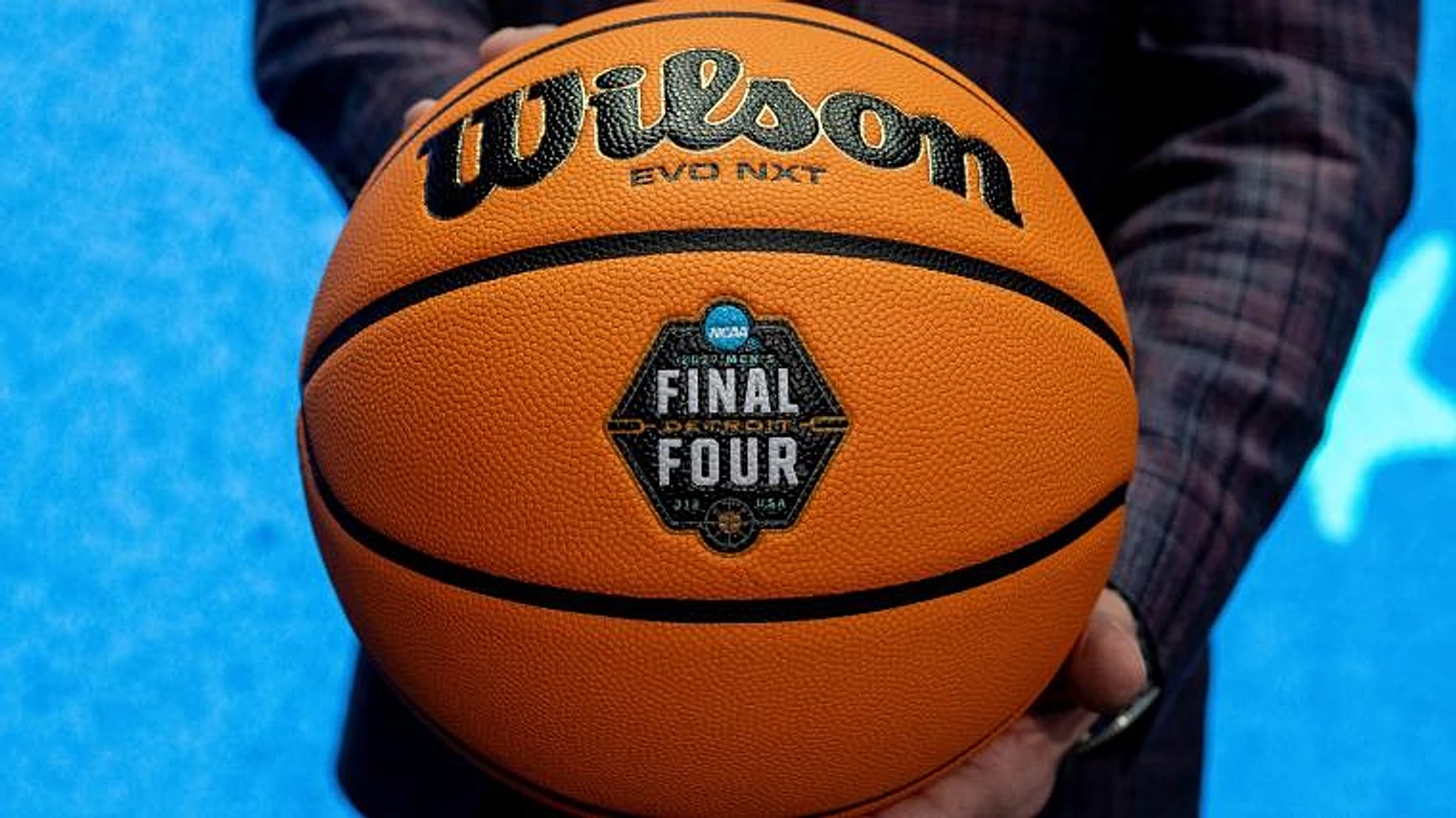
Let's break down the stats that have the basketball world buzzing. According to ShotTracker, a leading analytics platform trusted by Division I programs, the Big Ten's investment strategy paid off in a big way this past season. Nine teams from the conference qualified for the men's tournament, and two—the Michigan Wolverines and Illinois Fighting Illini—made it all the way to the Final Four. Michigan ultimately brought home the national title against UConn, marking the Big Ten's first championship since 2000.
So, how did they do it? The conference reportedly spent between $129 million and $177 million on roster construction across those nine schools. That's a serious commitment, and it yielded an impressive NIL ROI of 30.2 percent. In plain English: the more you invest in your players, the better your chances of cutting down the nets in March.
This isn't just about deep pockets, though. It's about understanding the new landscape of college basketball. In the NIL era, success isn't just about X's and O's—it's about building a roster that can compete at the highest level. The Big Ten has figured this out, and it's a big reason why the sport is more popular and competitive than ever before.
As the tournament expands to 76 teams, expect these numbers to climb even higher. The Big Ten is proving that the programs willing to invest the most at the top are the ones that win in the long run. And with those guaranteed tournament units rolling in, the financial gap between the haves and have-nots is only going to grow.
Whether you love or hate the expansion, one thing is clear: NIL is now a vital part of every championship run. And right now, no one is doing it better than the Big Ten.