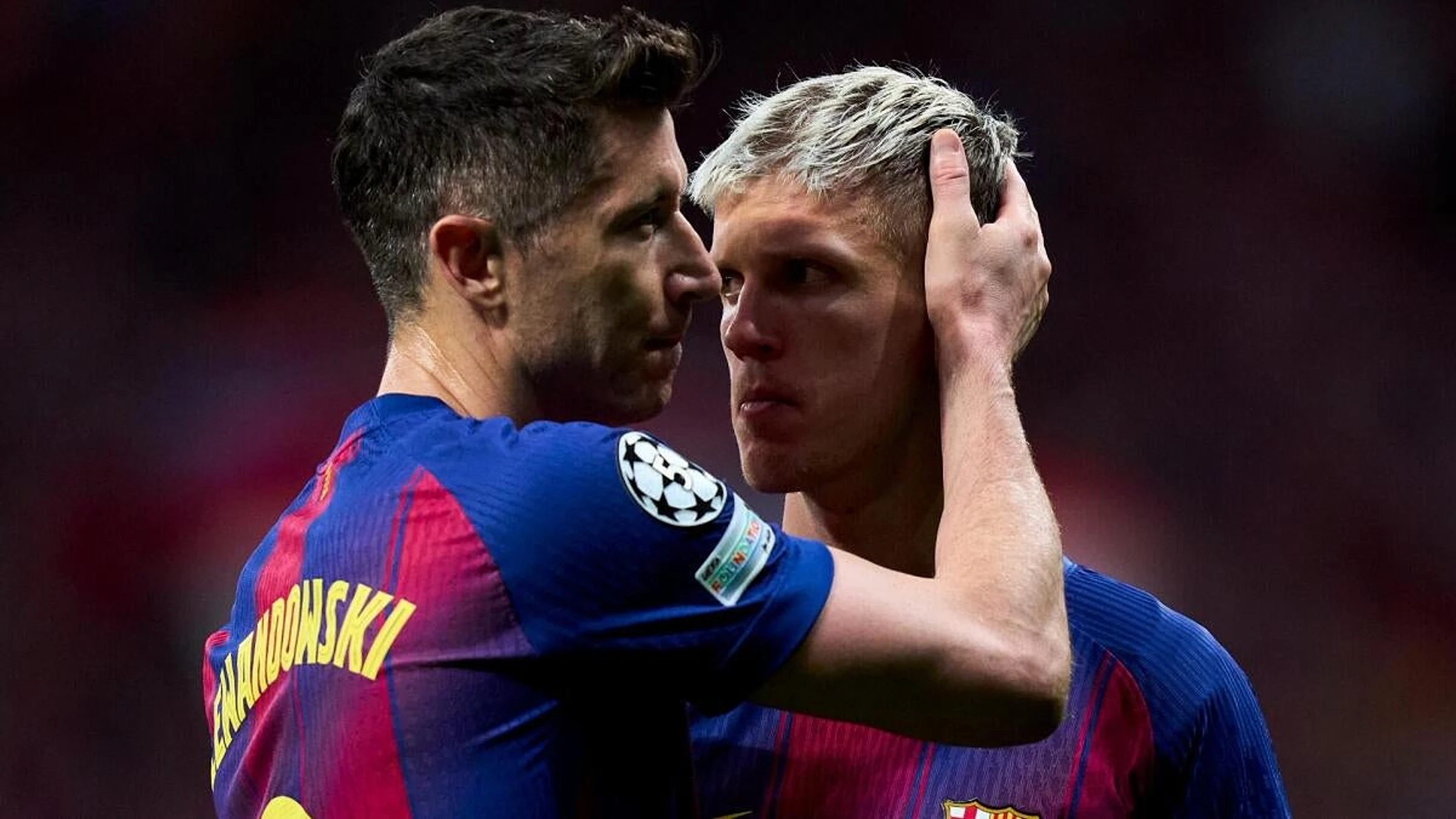
Another season, another Champions League heartbreak for Barcelona. The Blaugrana's European drought continues after a dramatic quarterfinal exit at the hands of Atlético Madrid, a result that underscores a frustrating pattern for one of football's grandest institutions. Despite a valiant 2-1 second-leg victory in Madrid, the aggregate scoreline sent Hansi Flick's side packing, marking their second consecutive knockout-stage elimination.
The core issue? A familiar tale of tactical stubbornness meeting harsh continental reality. Under Flick, Barcelona have become a thrilling, attack-first juggernaut in LaLiga, built on relentless possession and the electrifying talent of Lamine Yamal. Yet, this all-in philosophy—characterized by a high defensive line and overwhelming forward commitment—has repeatedly been their undoing in Europe. While it bulldozes domestic opponents, elite Champions League sides like Atlético are ruthlessly adept at exploiting the space left behind on the counter.
This quarterfinal mirrored last season's semifinal loss to Inter, exposing a systemic vulnerability. The damage was done in the first leg at Camp Nou, where Atlético seized the initiative. Even with a roster brimming with talent and a generational star in Yamal reaching 20 goal contributions, Barcelona's structural imbalance proved decisive. A red card for Eric García in the second leg only compounded the self-inflicted wounds.
The stark truth is that Barcelona haven't lifted the famous trophy since their 2015 triumph over Juventus. While Flick is on the cusp of a second straight LaLiga title, the club's ultimate benchmark remains European glory. As the summer transfer window approaches, the question isn't about talent, but balance. To end this near-decade-long wait, Barcelona must find a way to marry their breathtaking attacking football with the defensive resilience and tactical flexibility that defines Champions League champions. The pursuit of that elusive equilibrium will define their upcoming campaign.