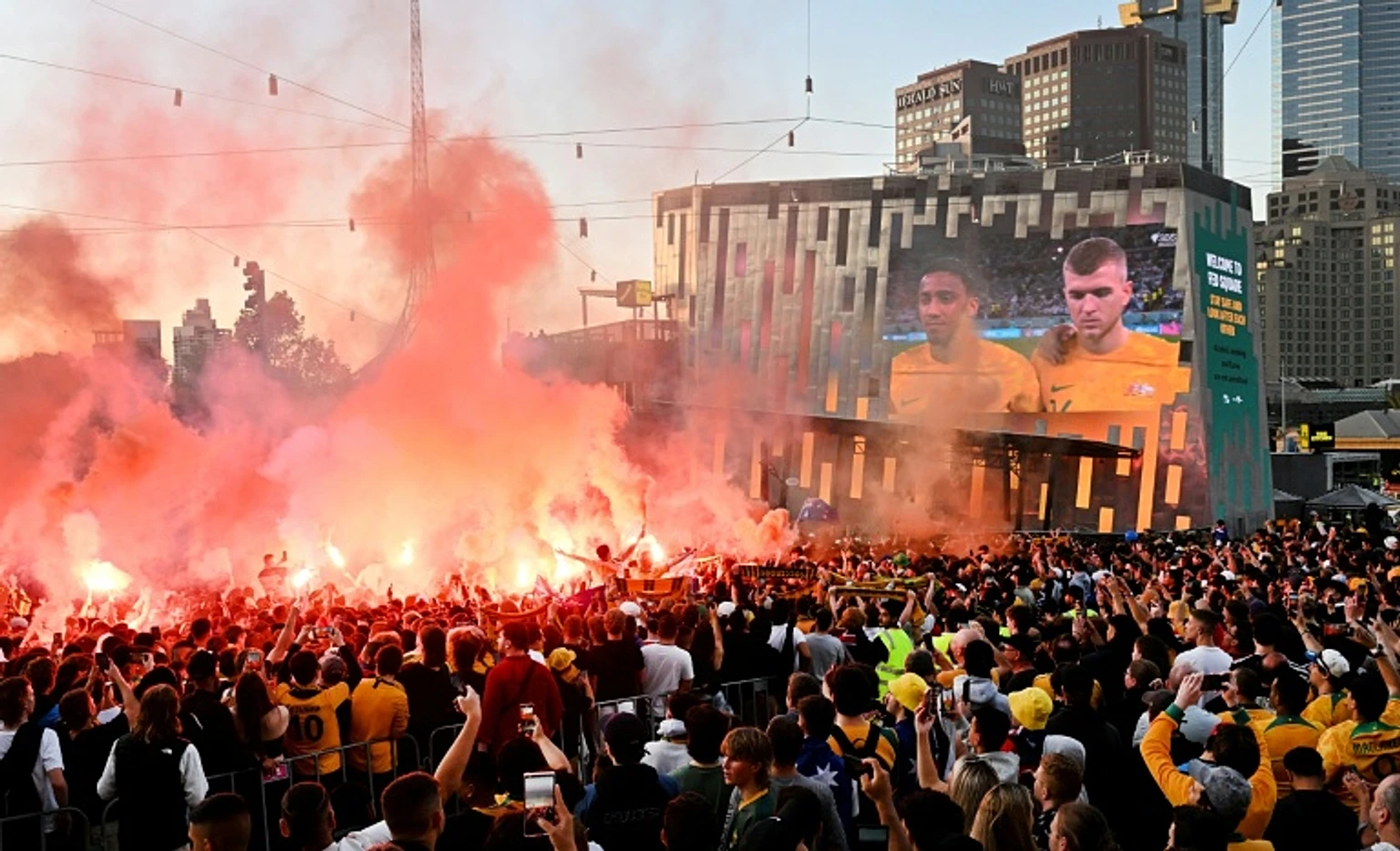
In a move that has sparked widespread disappointment, Football Australia has publicly called on Melbourne authorities to reverse a controversial ban on public watch parties for the 2026 FIFA World Cup at Federation Square. The decision, which cites "dangerous" fan behavior, has drawn sharp criticism from the sport's governing body, which argues that live screenings are vital for uniting the nation.
"The FIFA World Cup is the biggest sporting event in the world and unites Australia's multicultural communities, while reinforcing our national identity," said Football Australia chief executive Martin Kugeler. "Live sites create iconic moments for Australian sports fans. Melbourne is one of Australia's sporting and multicultural capitals, and this decision goes against this tradition."
The ban, imposed by the Melbourne Arts Precinct—the organization that manages Federation Square—has been met with frustration from fans and officials alike. Katrina Sedgwick, the precinct's chief executive, defended the decision, pointing to a history of dangerous incidents during previous screenings. "This issue is really with a very small group of fans who, unfortunately, behave in a way that is just antisocial and frankly, dangerous," she told the ABC. "The challenge is when you have a crowded square with lots and lots of people and people are smuggling in flares."
Sedgwick noted that injuries from flares marred past World Cup events, with one particularly alarming statistic: "On the final night of the last Socceroos game we screened, we counted over 100 flares and fireworks that had been let off in the square."
For Australian soccer fans, the stakes are high. The Socceroos kick off their World Cup campaign against Turkey in Vancouver on June 13, followed by a clash with co-hosts the United States in Seattle on June 19, and a final group-stage match against Paraguay in California on June 25. With the team set to compete on the global stage, many see the ban as a missed opportunity to rally the nation's passionate football community.
As the debate continues, Football Australia remains hopeful that a compromise can be reached, ensuring that Melbourne's reputation as a sporting capital isn't overshadowed by concerns over crowd control. For now, fans are left waiting—and hoping—for a chance to cheer their team together.