The Oklahoma City Thunder just wrapped up a dominant 125–107 win over the Los Angeles Lakers in Game 2, taking a commanding 2–0 series lead. But the final score wasn't the only story leaving the court that night.
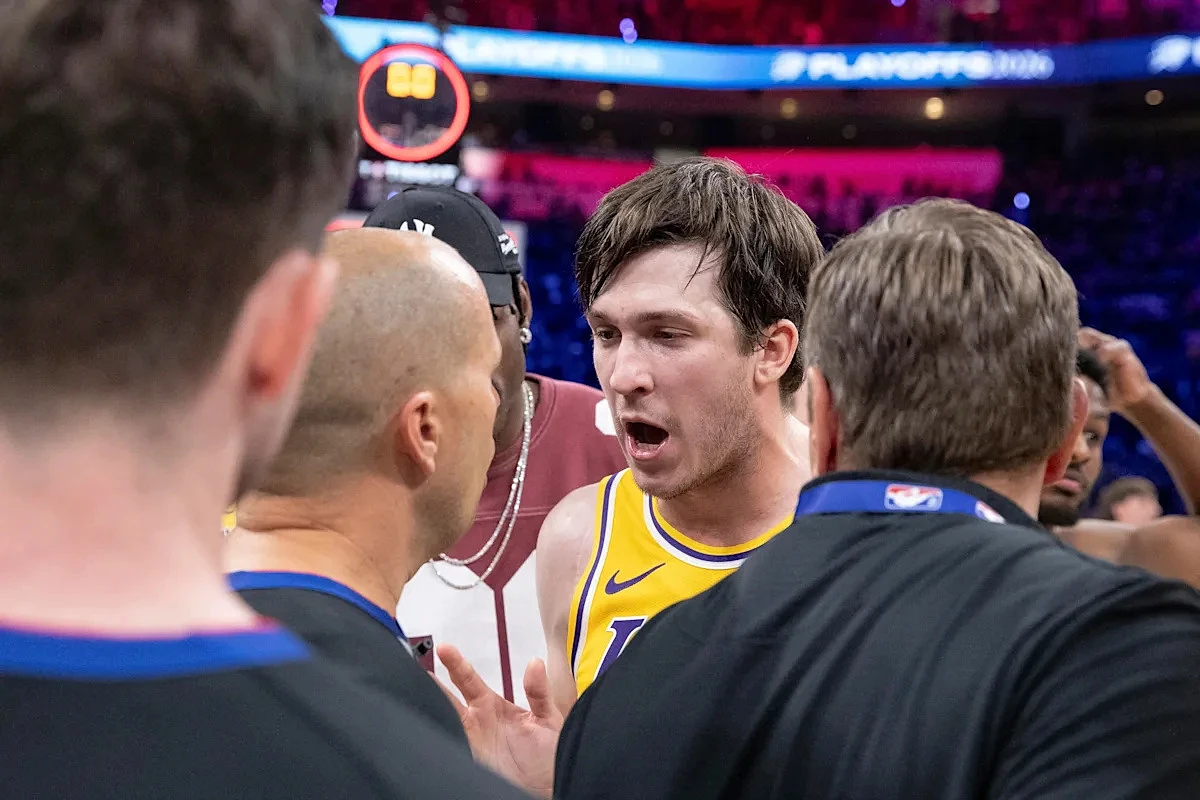
As the Thunder prepared for their postgame interviews, the Lakers lingered on the floor—not to shake hands, but to voice their frustrations with the officials. It was a scene straight out of playoff basketball lore: reigning champions, down in the series, looking for answers anywhere they can find them.
Austin Reaves, who turned in his best performance against OKC in years with 31 points and six assists, was at the center of it all. His complaint? That the referees were too quick to dismiss him while letting things get chippy on the other end.
The tension between Reaves and Thunder star Shai Gilgeous-Alexander was palpable all night. SGA was assessed a flagrant foul for dragging his arm to create space, while Reaves had a swipe-down foul reviewed for a potential hostile act (it was downgraded to a regular foul). For Reaves, it was the tipping point in a night full of what he felt were one-sided calls.
"I felt like I was respectful to all of them all night," Reaves explained afterward. "A million times in the past, I've said way worse stuff. And when we were doing the whole tip ball and they were switching spots, I wanted to get on the other side because they had a guy on the other side trying to keep an advantage. And he turned around and yelled in my face. I just thought it was disrespectful."
This is nothing new for the Thunder. As they've risen to the top of the league—and now eye a potential back-to-back championship—complaints about officiating have followed. It's almost a rite of passage for elite teams. Look at any dynasty in NBA history, and you'll find a long list of opponents convinced the refs are playing favorites.
For now, the numbers tell a different story. The Thunder and Lakers were nearly dead even in personal fouls and free-throw attempts. But in the heat of a playoff series, perception often matters more than statistics. And for Reaves and the Lakers, the frustration is real—even if the scoreboard isn't on their side.