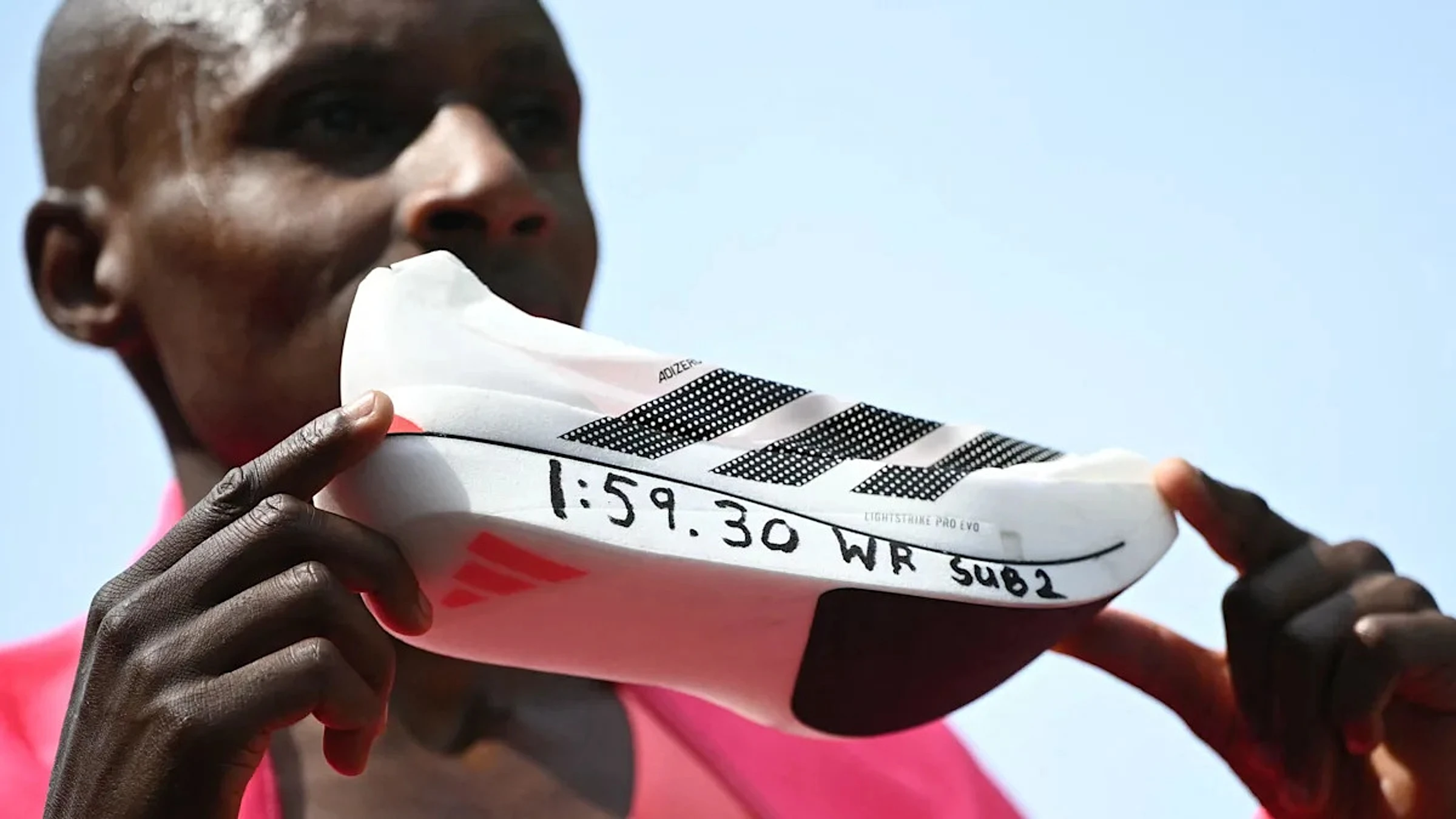
World Athletics president Sebastian Coe has made it clear: the sport won't be putting the brakes on innovation when it comes to the controversial "super shoes" that are rewriting the record books. Speaking after Sebastian Sawe's historic sub-two-hour marathon at the London Marathon, Coe insisted the current regulations are "on the right side" of progress.
The 31-year-old Kenyan etched his name into the history books on Sunday, crossing the finish line in 1:59:30 to become the first person to run a competitive marathon in under two hours. It was a barrier many once thought impossible, and the performance has reignited the debate over how much credit belongs to the athlete—and how much to the technology on their feet.
"I don't think any society, any civilisation, any sector of the economy has been served well if you try to strangle innovation," Coe told BBC Sport Africa during a visit to Botswana ahead of the World Relays. "The role of World Athletics is very clear—we want to enable, but we also have a regulatory responsibility."
Sawe wasn't alone in his record-breaking run. Ethiopia's Yomif Kejelcha also dipped under two hours, finishing just 10 seconds behind, while Tigst Assefa set a new world record in the women's race. All three wore the Adidas Adios Pro 3 shoes—a model that weighs under 100 grams and, according to Adidas, improves running economy by 1.6%. Sawe was quick to thank the brand, calling them "the best shoes I have ever worn" and praising their lightweight feel and stability.
But that performance-enhancing technology doesn't come cheap. For any runner hoping to get a taste of that super-shoe advantage, the price tag sits at around $500 (£450). It's a significant investment, but for elite athletes, the margins between victory and defeat are measured in seconds—and sometimes in grams.
Still, Coe is pushing back against the idea that shoes alone are driving these record-breaking performances. "Yes, shoes play a part, but not the biggest part," he said. "The biggest part is the mentality of the athlete, the physicality of the athlete, the world-class coaching, the world-class programmes that are now being run through federations to support their athletes. That's all a part of the improved performances."
Sawe's own journey is a testament to that. He shaved more than two minutes off his personal best in London, crediting his gruelling training regimen of running 200km a week at altitude. And he's not just relying on his legs—modern fuelling strategies played a key role too. Sawe reportedly consumed 115 grams of carbohydrates per hour during the race, following a carefully planned breakfast designed to keep his engine running at peak performance.
For runners and fans alike, the message from the top of the sport is clear: innovation is welcome, but it's the human spirit, the miles, and the mindset that still make the biggest difference. And whether you're chasing a world record or a personal best, the right gear can help—but it's the work you put in that gets you across the line.