
Mikel Arteta has a few very important choices to make as he puts together his starting lineup to face Atletico Madrid in the first leg of the UEFA Champions League semifinals on Wednesday.
At this point of the season and with two of the biggest trophies in world football on the line, it's too late to change tack so the Gunners have no choice but to lean into what got them to where they are — for better or for worse. For Arsenal, that means continuing to bully their opponents on set pieces and causing/chasing 50-50 balls as if their lives depend on it. Put simply, they are an awful team to play because nothing ever comes easy against them. The team has truly embraced the personality and mentality of its coach.
Problem is: Diego Simeone has been doing that very same thing at Atletico Madrid since Arteta was playing for Arsenal, in 2011. And, with more tangible success at this point of his tenure. He had already won La Liga, the Europa League and the Copa del Rey, and been to two Champions League finals by the time he hit five full seasons on the job, which is where Arteta is now. Arsenal won the FA Cup in Arteta's first full season but that remains his only major trophy to date, lifted inside an empty Wembley Stadium back in 2020.
Arsenal have succeeded with those tactics, largely, against better technical footballing sides that don't necessarily want to get into a physical battle with them. So, what happens when they face a side that's actually looking for a fight and won't back down? A fascinating Champions League tie, and one that seems particularly important for Arteta to prove he can handle.
OUT: Jurrien Timber (groin), Kai Havertz (groin), Mikel Merino (foot) | QUESTIONABLE: Riccardo Calafiori (undisclosed), Eberechi Eze (undisclosed), Martin Zubimendi (illness)
Why the injuries matter: Timber has established himself as one of the Premier League's best full backs this season, and his attacking thrust has been a big loss when Ben White or Cristhian Mosquera, originally center backs early in their careers, replace him. Havertz has also become very important to Arsenal's attack of late, not only scoring (their only) goals in big games but linking play between midfield and the forward line, where possession often becomes stagnant and the Gunners run out of ideas (or attacking freedom).
The logic behind the lineup: White has typically been preferred over Mosquera at right back, but Mosquera came to Arsenal from Valencia and Arteta might just think he has an advantage for having played against Atleti before — not to mention, he is quite obviously White's soon-to-be replacement as the versatile right-side defender in the squad. 50-50 toss-up. It sounds like Riccardo Calafiori should be back in the squad, but don't expect him to go straight back in the lineup after not playing for three weeks. Hincapie is probably the choice regardless because he gives them more width in attack, which they're going to need in order to put more crosses in the box.
The midfield speaks for itself at this point. When Declan Rice and Martin Zubimendi are fit, they start together. The same typically goes for Martin Odegaard, though he hasn't looked quite the same since coming back from six weeks out. He is perhaps still struggling with the recurring knee injury that has sidelined him twice this season. Eberechi Eze might get the nod if he did as much defensive work as Odegaard, which leaves Arteta with hardly a question to answer over who he picks.
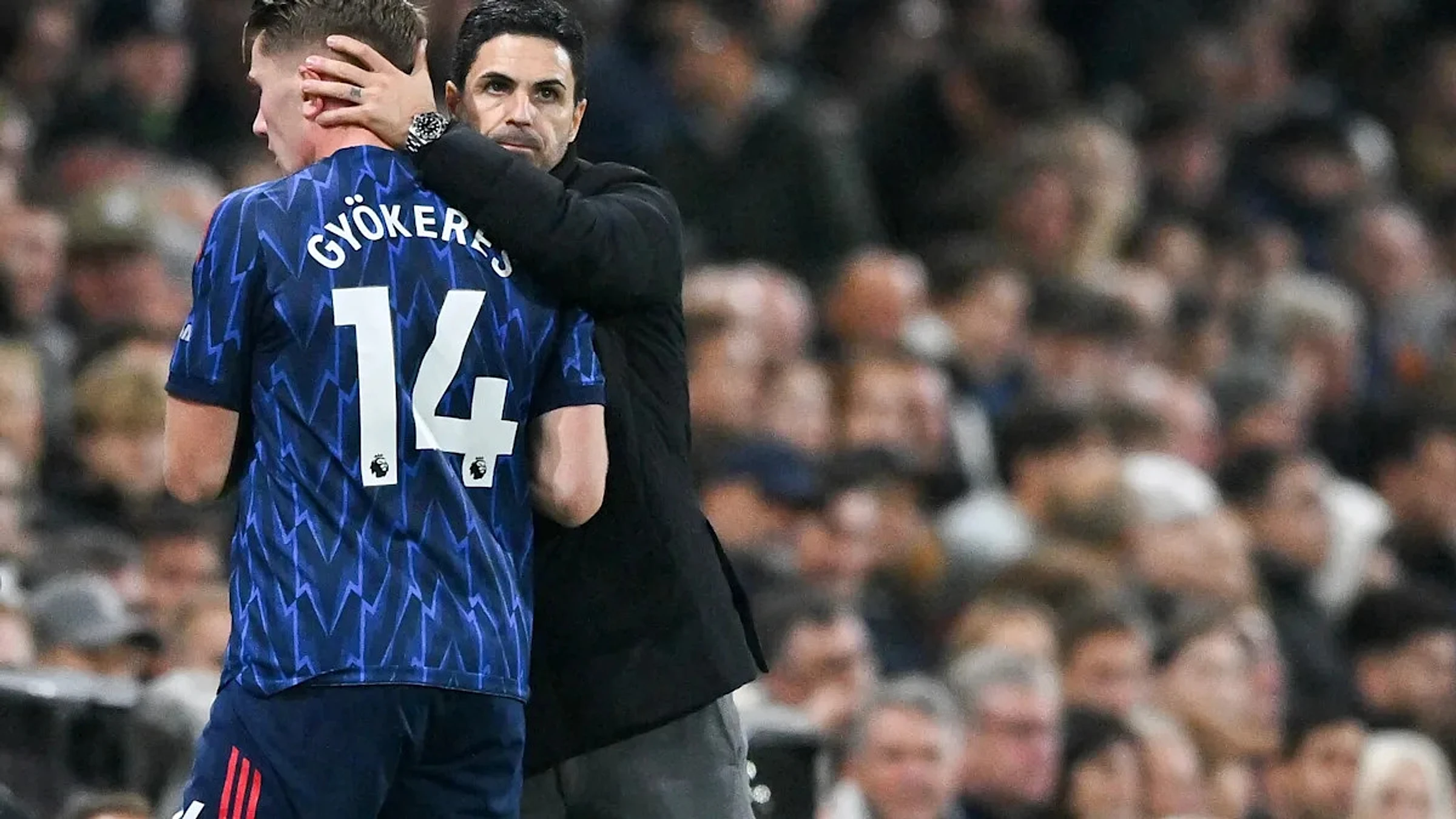
With Havertz out and, just as importantly, Bukayo Saka ready to (presumably) play at least 60 minutes after returning to action this weekend, Viktor Gyokeres is the starting striker again. Sure, he's been a bit frustrating to watch at time this season but he's Arsenal's best option to threaten Atleti on the counter, and we know that's what Arteta will try to do. He's also the better target in the air, which is the other main source of scoring chances for this team. Saka is one of the best crossers in the world, even if him cutting inside a floating one with his left foot does become predictable at times. Trossard works as hard off the ball as he does with it and he's a dangerous, two-footed counter-attacking threat, so he's an obvious fit for the other side.