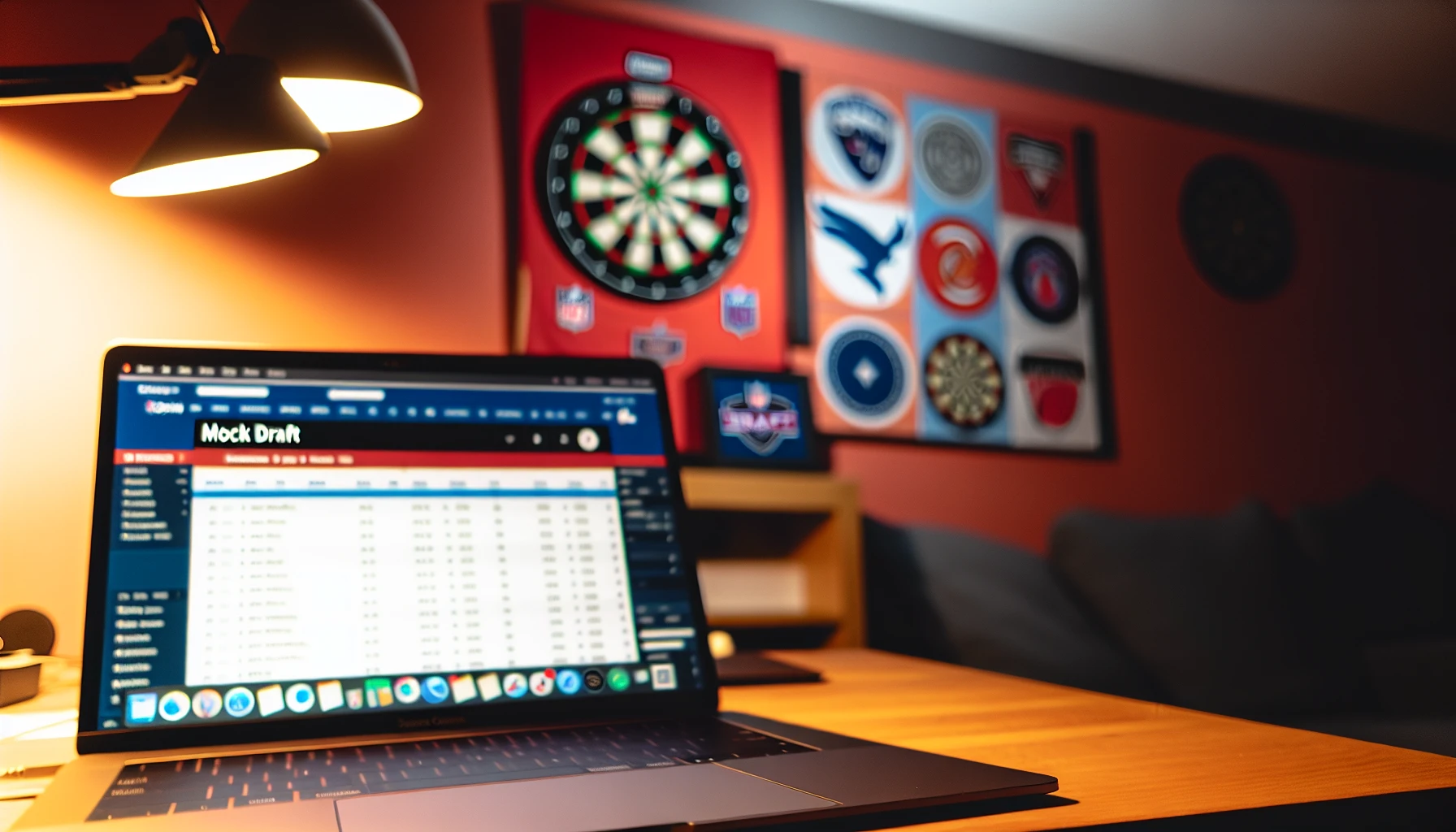
Mock draft season is a beloved, chaotic tradition in the NFL world. Every year, experts spend countless hours analyzing film, scouting reports, and team needs to predict how the first round will unfold. But how much better are these educated guesses than pure, unadulterated chance? A provocative question from a friend sparked an experiment: could literally throwing darts at a board produce a mock draft as credible as the pros?
The truth is, even the most renowned draft gurus have a shockingly low success rate. An analysis of 145 expert mocks from 2025 revealed that the median prognosticator correctly guessed only six first-round picks. With odds like that, the line between deep analysis and random luck starts to blur. So, we decided to put the theory to the test for the 2026 NFL Draft.
We traded in the big board for a dart board. Our method was simple: the top five consensus players available were placed on index cards around the bullseye. From eight feet away, a single dart throw decided the pick. A bullseye gave the thrower free choice, while a hit on a card locked in that selection. The goal? To see if blind chance could compete with the "big football brains."
We began at pick No. 2, as the first overall selection is considered a foregone conclusion. The early results were a fascinating mix of plausibility and chaos. The dart board suggested the New York Jets, after two straight years of drafting tackles, might go for a third—a questionable but not impossible strategy for a team building in the trenches.
The experiment delivered its first bullseye at pick No. 3, allowing a deliberate selection of a top prospect for the Arizona Cardinals, a move that would be a major win for their rebuild. Later, the Tennessee Titans landed the draft's top wide receiver, a logical weapon for quarterback Cam Ward. This dart-throwing exercise, while unorthodox, highlighted the inherent unpredictability of the draft and the fine margin between a calculated prediction and a lucky strike.